
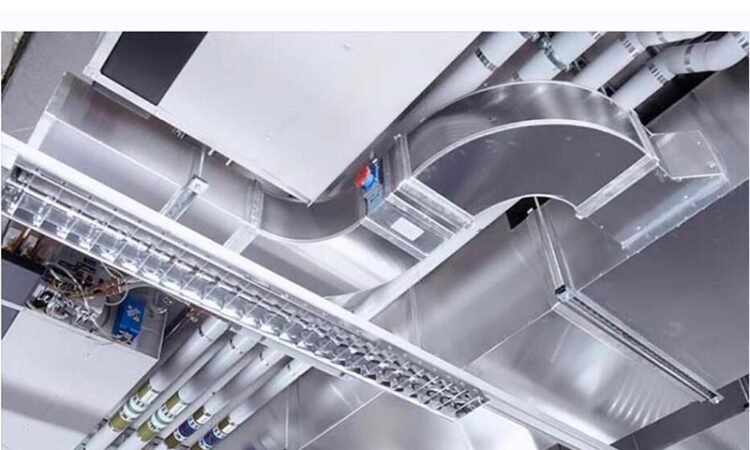
Pre-insulated ductwork has become a preferred choice in modern HVAC systems due to its thermal efficiency, durability, and ease of installation. Unlike traditional ducts that require on-site insulation, pre-insulated ducts come with factory-applied insulation and protective outer jackets. This not only reduces installation time but also ensures consistent insulation quality, helping maintain energy efficiency and reducing condensation risks. Proper installation, however, is crucial to achieve optimal performance and longevity of the duct system.
Before beginning any installation project, it is important to familiarize yourself with the specific type of pre-insulated ductwork being used. These ducts typically consist of an inner metal conduit, a layer of insulation, and an outer protective jacket. The combination of these components ensures thermal efficiency, noise reduction, and resistance to moisture and physical damage. Using reliable solutions such as pre insulated ductwork can further simplify the installation process, as these products are designed for compatibility with standard HVAC fittings and mounting systems.
Pre-Installation Preparation
The first step in installing pre-insulated ducts is careful planning and preparation. Review the building layout and HVAC design drawings to determine duct paths, dimensions, and required fittings. Accurate measurements help minimize material waste and ensure that duct segments fit properly. It is also essential to gather the necessary tools and materials, including supports, brackets, fasteners, sealants, and cutting tools. Ensuring a clean and safe work environment is critical, as debris or moisture can compromise insulation performance and system efficiency.
Handling and Storage
Proper handling and storage of pre-insulated ductwork are essential to prevent damage to both the insulation and the outer jacket. Ducts should be stored in a dry, flat area and supported at multiple points to prevent bending or sagging. Avoid stacking heavy items on top of the ducts, as this can deform the insulation and compromise thermal performance. When transporting ducts to the installation site, use appropriate lifting techniques and equipment to prevent dents or tears in the protective jacket.
Installation of Duct Sections
Begin installation by positioning duct sections according to the design layout. Pre-insulated ducts are typically joined using flanges, couplings, or specialized connectors designed for insulation integrity. Ensure that each joint is properly aligned to avoid gaps that can lead to air leakage or thermal bridging. When cutting or trimming duct segments on-site, use sharp tools to maintain a clean edge without damaging the insulation or protective outer layer.
Sealing and Insulation Continuity
Maintaining a continuous insulation barrier is key to maximizing energy efficiency and preventing condensation. Seal all joints, connections, and seams with recommended sealants or tape designed for HVAC applications. Pay particular attention to corners, transitions, and areas around penetrations to avoid gaps in insulation coverage. Proper sealing not only improves thermal performance but also reduces noise transmission and enhances indoor air quality.
Support and Suspension Systems
Pre-insulated ducts must be properly supported throughout their length to prevent sagging or stress on joints. Use hangers, brackets, or trapeze systems designed to accommodate the insulation thickness without compressing it. The spacing of supports depends on duct size and material, so refer to manufacturer recommendations for optimal placement. Adequate support ensures long-term structural integrity, reduces vibration, and prevents damage to the insulation layer.
Testing and Commissioning
Once installation is complete, perform a thorough inspection to verify that all duct segments are correctly aligned, sealed, and supported. Conduct airflow and pressure testing to ensure the HVAC system operates according to design specifications. Checking for leaks or gaps in insulation coverage is critical, as even small imperfections can affect energy efficiency and performance. Address any issues promptly to maintain system reliability and efficiency.
Maintenance Considerations
Although pre-insulated ductwork requires minimal maintenance, periodic inspections are recommended to ensure continued performance. Look for signs of physical damage, moisture intrusion, or wear in the protective jacket. Clean ducts as needed to prevent dust accumulation and maintain airflow efficiency. Routine maintenance helps extend the lifespan of the duct system and ensures consistent energy savings over time.
Safety Guidelines
Always prioritize safety during installation. Wear appropriate personal protective equipment, including gloves, safety glasses, and masks when cutting or handling insulation. Follow manufacturer instructions and building codes for secure installation and fire safety compliance. Proper training for installation personnel ensures that ducts are installed correctly and reduces the risk of workplace accidents.
Conclusion
Proper installation of pre-insulated ductwork is essential to achieve optimal HVAC system performance, energy efficiency, and long-term durability. By carefully planning, handling, joining, sealing, and supporting duct segments, installers can maximize the benefits of factory-applied insulation while minimizing installation time and potential errors. Following these guidelines ensures that pre-insulated duct systems provide reliable thermal performance, noise reduction, and moisture resistance for years to come.


