
Power press machines are essential in modern manufacturing, enabling industries to perform metal forming, stamping, punching, and bending operations with precision and efficiency. Consistency in machine quality is critical to ensure reliable performance, operator safety, and long-term durability. Power press manufacturers employ a variety of strategies, standards, and processes to maintain consistent quality throughout design, production, assembly, and testing.
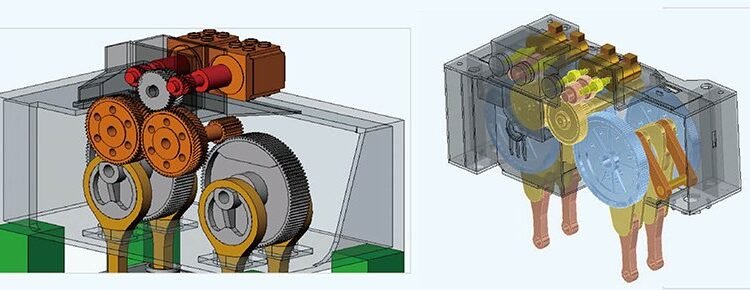
The process begins with careful design and planning. Engineers use computer-aided design (CAD) software and simulation tools to create precise schematics and analyze stress points, force distribution, and mechanical tolerances. High-quality materials such as alloy steels and hardened components are selected to meet stringent performance standards. A reputable Power Press Manufacturer incorporates these practices into the production workflow, ensuring that each machine meets consistent specifications and performs reliably in industrial environments. By emphasizing quality from the design stage, manufacturers minimize errors and deviations during fabrication and assembly.
Material Selection and Component Standardization
Consistent machine quality starts with the use of high-grade materials. Frames, shafts, gears, and rams must endure repeated stress and high force without deformation or failure. Manufacturers adhere to international standards such as ASTM for material properties and hardness testing, ensuring that all components meet precise requirements. Components sourced from third-party suppliers are verified through rigorous inspection and testing to ensure uniformity.
Component standardization is another critical factor. By producing parts to standardized specifications, manufacturers can ensure that every machine functions predictably and reliably. CNC machining and advanced fabrication techniques allow for precise tolerances, reducing the risk of misalignment or uneven force distribution in the final product. Standardized components also simplify maintenance and replacement, contributing to consistent long-term performance.
Assembly and Process Control
Assembly is a stage where quality can be maintained or compromised. Power press manufacturers employ strict process control measures to ensure proper alignment, fit, and integration of mechanical, hydraulic, and electrical systems. Skilled technicians use precision instruments to align the ram, die, and bed, ensuring that force is applied evenly during operation. Misalignment can lead to reduced machine efficiency, premature wear, and safety risks.
Process monitoring during assembly involves inspections at key stages. Each component is checked for dimensional accuracy, surface finish, and proper installation. Any deviation from standards is corrected immediately, maintaining consistent quality before the machine progresses to testing.
Testing and Calibration
Testing and calibration are essential to maintain machine performance consistency. Each power press undergoes comprehensive functional testing, simulating real-world operating conditions. Tests include evaluating stroke length, pressure, speed, and alignment of the ram, as well as performance of hydraulic and electrical systems. Safety devices such as emergency stops, interlocks, and guards are also tested for proper operation.
Calibration ensures that machines operate within precise tolerances, maintaining accuracy in tasks like stamping and punching. Rigorous testing and calibration help detect any variations or defects, allowing manufacturers to correct issues before the machine leaves the factory. This step is crucial for ensuring that every machine meets the same high-quality standards.
Quality Control Documentation
Documentation is a key part of quality maintenance. Manufacturers maintain detailed records of material certificates, machining reports, assembly checks, testing results, and calibration data. This traceability ensures accountability and allows manufacturers to identify trends, address recurring issues, and continuously improve production processes. Documentation also provides customers with confidence that the machine has been manufactured and tested according to strict standards.
Continuous Improvement Programs
Leading power press manufacturers implement continuous improvement initiatives to enhance quality. Feedback from customers, performance monitoring, and internal audits help identify areas for process enhancement. Technological advancements such as automated monitoring systems, robotics, and IoT-enabled sensors are integrated to maintain consistent production quality and operational safety. These innovations reduce human error and increase repeatability, allowing manufacturers to meet growing industry demands without compromising quality.
Operator Training and Maintenance Support
Consistent quality extends beyond factory production to machine operation in industrial settings. Manufacturers provide operator training, maintenance instructions, and preventive maintenance schedules. Proper training ensures that operators use machines safely and efficiently, while regular maintenance maintains alignment, lubrication, and calibration. By supporting customers with these resources, manufacturers help preserve machine quality throughout its operational life.
Conclusion
Maintaining consistent quality in power press machines requires a combination of meticulous design, careful material selection, standardized components, precision assembly, rigorous testing, and continuous improvement. A reliable Power Press Manufacturer implements these strategies to ensure that every machine meets stringent performance, safety, and durability standards. Through comprehensive quality control processes, documentation, and customer support, manufacturers provide industrial equipment that delivers reliable, long-lasting performance, supporting high-volume production and precision metal forming across diverse manufacturing sectors.


