
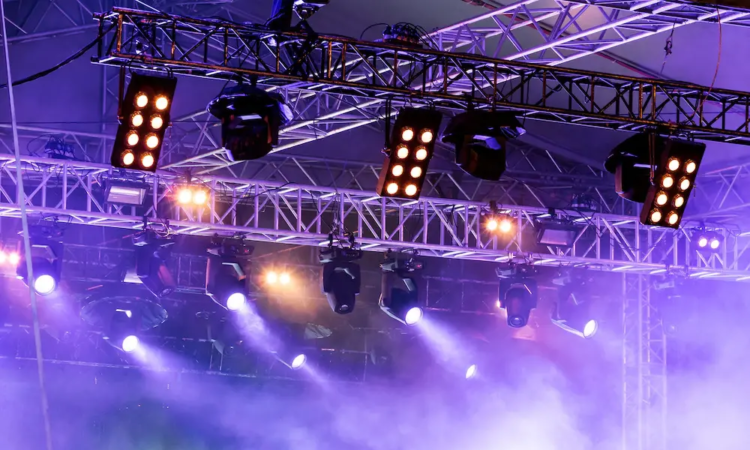
Lighting plays a pivotal role in setting the mood and atmosphere of any event. Whether you’re hosting a wedding, corporate event, or concert, the right event lighting system can elevate your venue from ordinary to extraordinary. This article explores the key considerations for selecting an Event Lighting System that meets your needs.
Understanding Event Lighting
Before diving into specifics, it’s important to understand the types of event lighting systems available. Typically, event lighting can be categorized into four main types:
- Ambient Lighting: This provides general illumination to the venue and ensures safety for guests. It sets the overall tone but should be complemented by other types of lighting.
- Task Lighting: Focused on specific areas where activities occur, such as podiums, dining tables, or performance stages. Task lighting ensures visibility for guests engaged in various tasks.
- Accent Lighting: This adds flair and visual interest to the event. Accent lighting highlights specific features, such as artwork, centerpieces, or architectural elements, creating depth and dimension.
- Decorative Lighting: Often used for aesthetic purposes, decorative lighting enhances the venue’s overall look. This includes string lights, chandeliers, or themed projections.
Choosing the right combination of these lighting types is essential for creating the desired ambiance.
Factors to Consider When Choosing an Event Lighting System
1. Venue Size and Layout
The size and layout of your venue significantly influence the type of event lighting system you should select. Larger venues may require multiple light sources to ensure consistent illumination throughout the space. Consider the layout as well; open areas might need different lighting solutions than enclosed spaces. Before making a decision, visit the venue to assess its characteristics and identify potential lighting challenges.
2. Event Type and Theme
The nature of your event plays a crucial role in determining the appropriate lighting system. A wedding may require soft, romantic lighting, while a corporate conference might benefit from bright, professional lighting. Similarly, the event’s theme will guide your lighting choices. For example, a rustic-themed event could incorporate warm, amber lights, while a modern event might use cool, white lighting. Aligning your event lighting system with the overall theme will enhance the guest experience.
3. Lighting Technology
With advancements in technology, various lighting options are available. LED lights are popular for their energy efficiency and versatility. They come in various colors and can be easily programmed to create dynamic lighting effects. Intelligent lighting systems, which can change colors and patterns throughout the event, offer flexibility and creativity. Assess your technical needs and budget when selecting the lighting technology that fits your event.
4. Control Systems
An effective event lighting system often comes with control capabilities that allow you to adjust settings during the event. Consider whether you need a simple dimmer switch or a more complex control system that can manage multiple light sources and effects. Wireless control systems can provide added convenience, enabling you to adjust lighting from a distance without being tethered to equipment.
5. Budget Considerations
Your budget will ultimately dictate your choices regarding event lighting systems. High-quality lighting can enhance your event significantly, but it’s important to strike a balance between quality and cost. When planning your budget, consider all aspects of the lighting system, including equipment rental, installation, and any additional services like technical support. Compare quotes from multiple vendors to find a solution that meets your needs without breaking the bank.
6. Professional Assistance
If you’re unsure about the right event lighting system for your venue, don’t hesitate to seek professional assistance. Event lighting specialists can provide valuable insights and help design a lighting plan tailored to your specific requirements. They can also assist with setup and troubleshooting on the day of the event, ensuring everything runs smoothly.
Conclusion
The right event lighting system can transform your venue and enhance the overall experience for your guests. By considering the venue size, event type, lighting technology, control systems, budget, and the potential need for professional assistance, you can make an informed decision that aligns with your vision. Investing time and resources into selecting the perfect lighting will ensure your event shines brightly and leaves a lasting impression. Remember, in the world of events, lighting isn’t just a technical necessity; it’s an art form that can set the stage for unforgettable moments.


