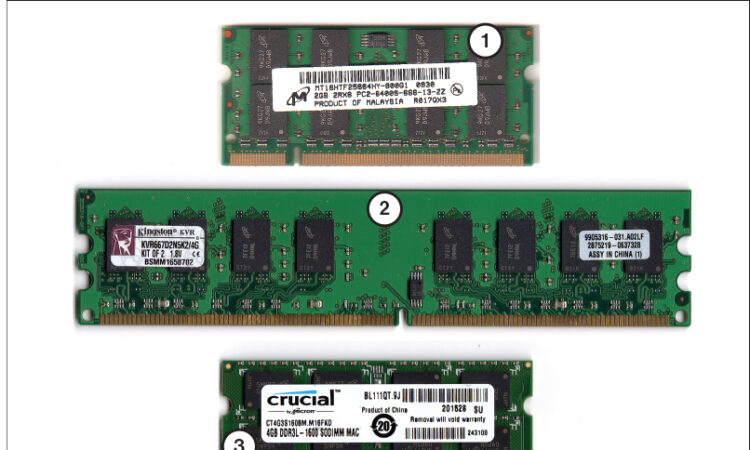
There are two main types of RAM: SRAM and DRAM. SRAM is static RAM, meaning that it doesn’t need to be refreshed constantly like DRAM does. This makes SRAM faster than DRAM, but it also uses more power. DRAM is dynamic RAM, which means it needs to be refreshed regularly in order to retain data. DRAM is slower than SRAM but uses less power.
In this blog post, we’ll be discussing the different types of RAM available and their applications.
What Is RAM?
RAM is short for random access memory. It’s a type of computer memory that can be accessed randomly, meaning any byte of memory can be accessed without having to first access the preceding bytes. RAM is used to store data that needs to be quickly accessible by the CPU.
Benefits Of RAM?
Random-access memory, or RAM, is a vital component in all computers. It provides the working memory for the computer, holding data and instructions that the processor needs to access quickly. The more RAM a computer has, the faster it can process information.
There are different types of RAM available on the market today, each with its own set of benefits and drawbacks. The most common type of RAM is SRAM, which is used in almost all computers. DRAM is another type of RAM that is growing in popularity, due to its lower price and higher capacity.
Also Check: Best RAM for Ryzen 7 5800X
SRAM: Static RAM
SRAM is a type of RAM that doesn’t need to be refreshed constantly. This makes it faster than DRAM, but it also uses more power. SRAM is used in applications where speed is critical, such as cache memory.
DRAM: Dynamic RAM
DRAM is a type of RAM that needs to be refreshed regularly in order to retain data. DRAM is slower than SRAM but uses less power. DRAM is used in applications where power consumption is critical, such as main memory in laptops and cell phones.
Flash memory
Flash memory is a type of EEPROM (electrically erasable programmable read-only memory). Flash memory can be erased and rewritten in blocks, making it ideal for applications that require frequent updates, such as BIOS or bootloader code. Flash memory is also used in USB drives and solid-state drives.
Also Read: Best Ram For Intel 12th Gen
Conclusion
In conclusion, there are many different types of RAM available, each with its own advantages and disadvantages. The type of RAM you need will depend on your application. SRAM is faster but uses more power, while DRAM is slower but uses less power. Flash memory is ideal for applications that require frequent updates.