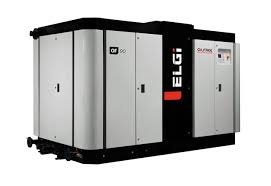
Oil-free air compressors offer significant environmental benefits compared to traditional oil-lubricated compressors. Understanding their impact and sustainability aspects is crucial for industries aiming to reduce their environmental footprint and comply with regulatory standards:
1. Oil Contamination Prevention
1. Clean Air Quality: Oil-free air compressors ensure that compressed air remains free from oil contaminants, meeting stringent air quality standards in industries such as healthcare, food processing, and electronics manufacturing.
2. Environmental Compliance: Eliminates the risk of oil spills and contamination, reducing environmental impact and supporting regulatory compliance.
3. Energy Efficiency
4. Optimized Energy Consumption: Oil-free compressors utilize advanced technologies like variable speed drives (VSD) to match compressor output with fluctuating demand, reducing energy consumption and operational costs.
5. Heat Recovery Systems: Some models incorporate heat recovery systems to capture and reuse excess heat generated during compression, further enhancing energy efficiency and reducing environmental impact.
6. Clean Air Quality
7. Critical Applications: Ideal for industries such as pharmaceuticals, food and beverage, electronics manufacturing, and healthcare where air purity is paramount.
8. Elimination of Contaminants: Ensures compressed air remains free from oil contaminants, meeting stringent air quality standards and preventing product contamination.
2. Environmental Benefits
9. Reduced Environmental Impact: Eliminates the risk of oil spills and leaks, supporting environmental sustainability efforts and compliance with regulatory standards.
10. Energy Efficiency: Incorporates advanced technologies like variable speed drives (VSD) and efficient motors to optimize energy consumption and reduce greenhouse gas emissions.
3. Lower Maintenance Costs
11. Elimination of Oil Changes: Reduces maintenance expenses associated with oil changes, filter replacements, and disposal of oil-contaminated waste.
12. Extended Lifespan: Typically have longer operational lifespans due to reduced wear on components, leading to lower overall maintenance costs and downtime.
4. Quiet Operation
13. Noise Reduction: Operates quieter than traditional oil-lubricated compressors, making them suitable for noise-sensitive environments such as hospitals, laboratories, and office buildings.
14. Improved Workplace Environment: Creates a more comfortable and productive work environment by minimizing noise pollu
15. 3. Reduced Carbon Footprint
16. Emissions Reduction: Oil-free air compressors minimize greenhouse gas emissions associated with oil lubrication and disposal, supporting efforts to mitigate climate change and promote sustainable practices.
17. Resource Conservation: Promote resource conservation by minimizing energy use and reducing waste generation related to oil changes and disposal.
Sustainability Initiatives
Oil-free air compressors contribute to sustainable manufacturing practices through various initiatives:
· Waste Management: Reduce waste generation associated with oil changes, filter replacements, and disposal of oil-contaminated waste, supporting environmental stewardship.
· Recycling: Participate in recycling programs for compressor components and materials to reduce environmental footprint and promote circular economy principles.
· Environmental Responsibility: Comply with environmental regulations and certifications, demonstrating commitment to environmental responsibility and sustainability.
Benefits to Industries and Communities
Oil-free air compressors provide tangible benefits to industries and local communities:
· Health and Safety: Ensure clean, contaminant-free compressed air essential for health and safety in healthcare facilities, food processing, and cleanroom environments.
· Cost Savings: Reduce operational costs associated with maintenance, energy consumption, and compliance with environmental regulations.
· Community Relations: Enhance corporate social responsibility (CSR) initiatives by promoting environmental stewardship and sustainable manufacturing practices.
Conclusion
Oil-free air compressors play a crucial role in Oil free air compressor achieving efficient, clean, and sustainable compressed air solutions across diverse industrial sectors. Their environmental impact, energy efficiency, and contributions to sustainability underscore their importance in supporting clean air quality, reducing environmental footprint, and promoting responsible manufacturing practices. Understanding the environmental impact, sustainability initiatives, and community benefits of oil-free air compressors highlights their role in advancing towards a more sustainable future.