
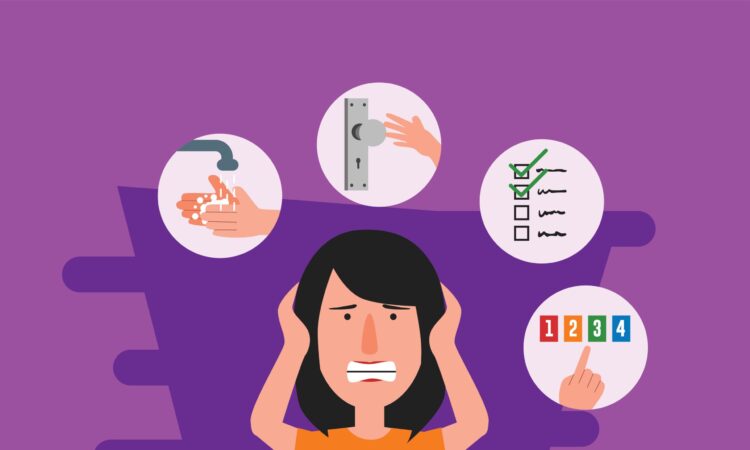
Living with obsessive-compulsive disorder (OCD) can be very hard because constant thoughts and compulsions can make a big difference in a person’s daily life. Traditional treatments have helped a lot of people, but there is more and more evidence that Transcranial Magnetic Stimulation (TMS) could be a game-changer for helping people with OCD. In this special post, we’ll talk about the possible benefits of TMS as a new way to treat OCD.
Understanding OCD: To understand how important TMS is in treating OCD, you need to know how the disease works. OCD is a mental health disorder that causes people to have repetitive, uncontrollable thoughts (called “obsessions”) and actions (called “compulsions”) that they feel forced to do. These signs can take up a lot of time, be annoying, and have a big effect on a person’s health.
Getting to know TMS: Transcranial Magnetic Stimulation (TMS) is a technique that uses magnetic fields to stimulate certain parts of the brain without hurting the brain. TMS was first seen as a good way to treat sadness, but it is now showing promise as a way to treat OCD. TMS aims to help people who are suffering from OCD by focusing on and changing the neural circuits that are linked to the disorder’s symptoms.
TMS and OCD: What Researchers Have Found: Several clinical studies have looked at how TMS affects OCD symptoms, and the results have been positive. After TMS treatment, researchers have seen large improvements in the severity of OCD symptoms, a decrease in obsessive thoughts, and a decrease in compulsive behaviours. People who haven’t gotten enough help from traditional therapy methods can take hope from these results.
TMS as a Possible Add-On Treatment for OCD: TMS could be used in addition to other treatments for OCD. By combining TMS with well-known treatments like medication and cognitive-behavioural therapy (CBT), doctors can make treatment plans that are both thorough and unique. Combining TMS with other treatments may make them more beneficial overall and help people with OCD get better faster.
Safety of TMS and Possible Side Effects: Safety is an important thing to think about when looking into any treatment choice, and TMS is no different. TMS has been shown to be safe and well-tolerated in most cases, with few side effects. Common side effects, like a light headache or a sore scalp, usually only last a short time and go away soon after each session. TMS should always be done with the help of a trained individual.
Directions and Problems for the Future: As long as TMS keeps showing promise as a way to treat OCD, it is important to put money into more study and development. Improvements in TMS technology, like personalized treatment that targets specific parts of the brain, could make it even more efficient. But problems like getting access to TMS treatment and making sure it’s covered by insurance need to be fixed so that more people can use it.
Conclusion
TMS is a new way to treat OCD that could help people in a lot of ways. TMS gives people hope because it gives them another choice if they haven’t found relief from traditional therapies alone. As research in this area moves forward, it is important for healthcare providers, researchers, and people with OCD to work together, raise awareness, and look into how TMS Therapy New Jersey could help people with OCD live better lives. Together, we can work towards a future where people with OCD can get effective and easy-to-find treatments that help them deal with their problems and live full lives.


