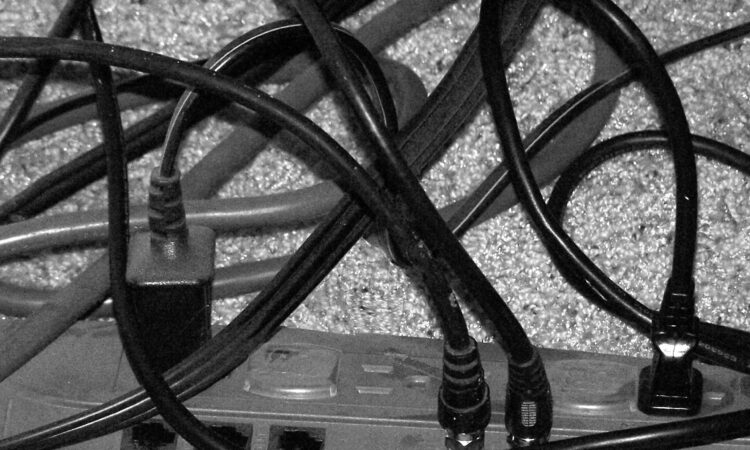
Outdoor extension cords are more robust than their indoor-rated counterparts. They’re composed of thick wire and have rubber, plastic, or a vinyl protective covering. Some heavy-duty outdoor extension cords have temperature ratings for use in hazardous conditions such as flammable liquids, chemicals, and extreme temperatures. If you have lists of appliances to use outdoors, note some suggestions to use the correct type of extension cords.
If you need to use electrical appliances outdoors, you’ll need to use an extension cord specifically designed for outdoor use. These extension cords for outdoor use are water-resistant and can withstand being exposed to the elements. There are different cords for outdoor use available, so it’s essential to choose the right one for your needs.
What are outdoor extension cords made of?
Outdoor extension cords are made of various materials, including rubber, plastic, and metal. The most common outdoor extension cord is rubber or plastic, often referred to as “rubber” or “plastic” cords. Metal cords are also available, but they are not as common because they are
more expensive and challenging to work with. Here are the types of extensions you can use outdoors.

1. Heavy Duty Extension Cord
It’s the most common type of outdoor extension cord. It’s made from thicker gauge wire and can handle higher wattage loads. It’s ideal for high-powered appliances such as power tools or heaters. If you’re unsure what size Extension cord you need, always err on the side of caution and go for a heavier duty Extension cord.
2. Light-Duty Extension Cord
This extension cord is made from thinner gauge wire and unsuitable for high-powered appliances. It’s ideal for using low-powered devices such as lamps or phone chargers.
Considerations to make while choosing an outdoor extension cord
You need to consider a few things while choosing an extension cord for outdoor use.
1. Types of Appliances
Consider what type of appliances you’ll be using with the extension cord. If you’re only going to use it with low-powered devices, you can go for a light-duty extension cord. However, if you’re planning on using high-powered machines, you’ll need a heavy-duty extension cord.
2. Ratings
Checking the rating of the extension cord is an essential step. The rating will tell you how much power the extension cord can handle and what type of appliances it can be used with. Always choose an extension cord with a higher rating than you think you’ll need, just to be on the safe side.
3. Length
Another thing to consider is the length of the extension cord. If you only need a short extension cord, you can use a light-duty extension cord. However, if you need a longer extension cord, you’ll need a heavy-duty extension cord.
4. Price
Of course, price is always a factor to consider. Heavy-duty extension cords are usually more expensive than light-duty extension cords. However, it’s important to remember that you get what you pay for. A cheap extension cord might not be able to handle the power of your appliances and could end up causing damage.
5. Safety
Safety is always the most important consideration when choosing an electrical appliance. Always choose an extension cord that has been approved by a reputable safety organization, such as UL standards or ETL marks.
Safety Precautions to Follow for Outdoor Extension Cords
1. Use only extension cords that are specifically designed for outdoor use. These extension cords are thicker gauge wire and can handle higher wattage loads.
2. When using an extension cord outdoors, keep it away from water. Even if a cord is designed keeping the water-resistance factor in mind, you should avoid using it in extreme wet conditions.
3. Inspect your extension cord before use to ensure no frayed wires or damaged plugs. If you see any damage, do not use the extension cord and dispose of it properly.
4. Never nail or staple an extension cord to a wall or baseboard. This can damage the cord and create a fire hazard.
5. Don’t overload your extension cord by plugging in too many appliances. This can cause the cord to overheat and start a fire.
6. Always unplug your extension cord before disconnecting it from an outlet. Failure to do so could result in electrocution.
7. When not in use, store your extension cord in a dry, safe place out of reach for children and pets.
8. Follow all manufacturer’s instructions when using an extension cord.

How to know if an Extension Cord is Safe?
There are a few things to consider when determining if an extension cord is safe.
1. Check the insulation on the cord. If the insulation is cracked or damaged, the cord is not safe to use.
2. Check the wires inside the cord. If the cables are frayed or damaged, the cord is not safe to use.
3. Check the plugs on the end of the cord. If the plugs are loose or damaged, the cord is not safe to use.

Conclusion
With so many options on the market, it can be hard to decide which extension cord is right for you. Hopefully, this guide has helped narrow down your choices and given you a better idea of what to look for when shopping for an outdoor extension cord. Now that you know what to look for getting out there and find the perfect one for your needs.