
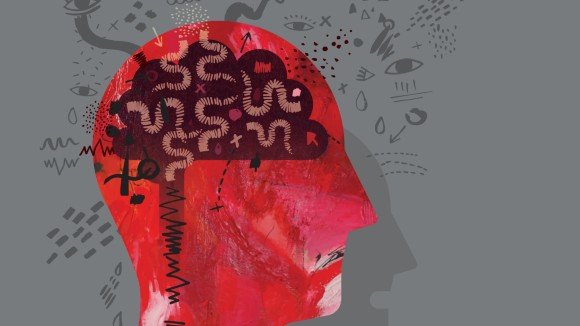
Chronic stress is a growing health concern in today’s fast-paced world, affecting people across all ages and lifestyles. While short-term stress can sometimes improve focus and performance, long-term exposure to stress can gradually damage both physical and mental health. Over time, it can interfere with daily functioning, relationships, and overall well-being.
Unlike temporary stress that fades after a challenge is resolved, chronic stress persists and becomes part of everyday life. Understanding how this condition develops and affects the body is essential for prevention and recovery. Learning about chronic stress is important because early awareness can help individuals take meaningful steps toward improving their long-term health and emotional balance.
Causes of Chronic Stress
Chronic stress can develop from a variety of ongoing life situations. One of the most common causes is work-related pressure, including heavy workloads, tight deadlines, and job insecurity. When these pressures continue without relief, they can create a constant state of mental strain.
Financial difficulties are another major contributor. Struggling with debt, rising expenses, or unstable income can keep individuals in a prolonged state of worry. Similarly, relationship challenges such as ongoing conflict with family members or partners can also contribute to emotional exhaustion.
Health-related concerns, especially long-term illnesses or caregiving responsibilities, may further increase stress levels. In many cases, it is not a single event but a combination of multiple stressors that leads to chronic stress.
Symptoms of Chronic Stress
The symptoms of chronic stress can appear gradually and affect both the body and mind. Physical symptoms often include headaches, muscle tension, fatigue, and sleep disturbances. Some individuals may also experience digestive issues such as stomach pain, bloating, or changes in appetite.
Emotionally, chronic stress can lead to irritability, anxiety, sadness, or a feeling of being overwhelmed. People may also find it difficult to relax, even in safe or comfortable environments.
Cognitive symptoms are also common. These may include difficulty concentrating, forgetfulness, and reduced decision-making ability. Over time, these symptoms can interfere with work performance and daily responsibilities.
Behavioral changes may also occur, such as withdrawal from social activities, increased use of caffeine or unhealthy coping habits, or loss of interest in previously enjoyed activities.
Effective Management Strategies
Managing chronic stress requires consistent effort and lifestyle adjustments. One of the most effective strategies is regular physical activity. Exercise helps reduce stress hormones while improving mood and energy levels.
Sleep quality is another important factor. Maintaining a consistent sleep schedule and creating a relaxing bedtime routine can help the body recover from daily stress. Poor sleep often worsens stress, creating a cycle that becomes difficult to break.
Mindfulness practices such as meditation, deep breathing, or yoga can also help calm the nervous system. These techniques encourage relaxation and improve emotional regulation over time.
Social support plays a key role in stress management. Talking to trusted friends, family members, or support groups can help individuals process emotions and reduce feelings of isolation.
Time management and boundary setting are equally important. Prioritizing tasks, avoiding overcommitment, and learning to say no can significantly reduce daily pressure.
In some cases, professional help may be necessary. Therapists and counselors can provide coping strategies tailored to individual needs and help address underlying causes of stress.
Long-Term Impact of Ignoring Chronic Stress
When left unmanaged, chronic stress can lead to serious long-term consequences. It may contribute to cardiovascular issues such as high blood pressure and increased risk of heart disease. The immune system may also become weakened, making the body more vulnerable to infections.
Mental health conditions such as anxiety and depression can also develop or worsen over time. Cognitive decline, emotional burnout, and reduced productivity are other possible outcomes.
These effects highlight the importance of early intervention and consistent stress management practices. Addressing stress early can significantly improve long-term health outcomes.
Conclusion
Chronic stress is more than a temporary emotional challenge; it is a long-term condition that can affect nearly every aspect of health and daily life. From physical symptoms like fatigue and headaches to emotional struggles such as anxiety and burnout, its impact is wide-ranging.
However, with the right strategies—such as exercise, healthy sleep habits, mindfulness, and social support—individuals can effectively manage stress and improve their quality of life. Recognizing the causes and symptoms early is the first step toward long-term well-being and resilience.


