
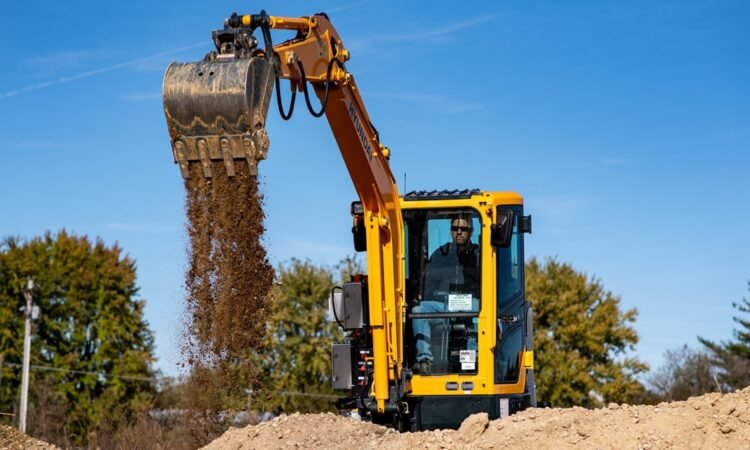
Electric mini excavators are gaining popularity in the construction industry due to their efficiency, low emissions, and reduced operating costs. While they require less maintenance than diesel-powered machines, proper care is still essential to ensure long-term performance, safety, and reliability. Understanding maintenance requirements helps operators maximize uptime and extend equipment lifespan.
When evaluating an electric mini excavator for sale, it is important to also consider how easy the machine is to maintain. A well-maintained electric mini excavator not only performs better but also reduces unexpected breakdowns and costly repairs over time.
Why Maintenance Matters for Electric Mini Excavators
Although electric mini excavators have fewer moving parts than diesel models, they still operate in demanding environments such as construction sites, landscaping projects, and utility installations. Dust, moisture, and heavy workloads can impact performance if routine maintenance is ignored.
Proper maintenance helps to:
- Ensure consistent machine performance
- Prevent unexpected downtime
- Extend battery and component lifespan
- Improve operator safety
- Maintain energy efficiency
A proactive maintenance approach is key to long-term reliability.
Battery Care and Charging Best Practices
The battery system is the most critical component of an electric mini excavator. Proper handling and charging practices significantly influence performance and lifespan.
Best practices include:
- Avoid fully draining the battery regularly
- Use manufacturer-approved chargers
- Charge in a dry and temperature-controlled environment
- Follow recommended charging cycles
- Inspect battery connections for wear or corrosion
Consistent battery care ensures stable power output and reduces long-term replacement costs.
Hydraulic System Inspection
Even though the power source is electric, most mini excavators still rely on hydraulic systems for digging and lifting operations. These systems require regular attention to maintain smooth performance.
Maintenance tasks include:
- Checking hydraulic fluid levels
- Inspecting hoses for leaks or damage
- Monitoring pressure levels during operation
- Replacing filters as recommended
Keeping the hydraulic system in good condition ensures precise and efficient machine operation.
Electrical System Maintenance
Electric mini excavators depend heavily on their electrical systems, making routine inspections essential for safe and reliable performance.
Key checks include:
- Inspecting wiring for wear or exposure
- Ensuring connectors are secure and clean
- Monitoring control panel functionality
- Checking for software or system updates if applicable
Early detection of electrical issues can prevent costly repairs and operational delays.
Undercarriage and Structural Care
Like all compact excavators, the undercarriage experiences significant stress during operation. Regular cleaning and inspection help maintain stability and reduce wear.
Recommended practices include:
- Cleaning mud and debris after use
- Inspecting tracks for wear or tension issues
- Checking rollers and sprockets for damage
- Lubricating moving parts as needed
Proper undercarriage maintenance improves machine stability and extends service life.
Routine Cleaning and Site Care
Construction environments can expose equipment to dust, dirt, and debris. Keeping the machine clean helps maintain efficiency and prevents long-term damage.
Operators should:
- Clean the exterior regularly
- Remove debris from vents and cooling areas
- Avoid pressure washing sensitive electrical components
- Store the machine in a covered or protected area when possible
A clean machine performs more efficiently and reduces the risk of overheating or component failure.
Operator Best Practices
Maintenance is not only about mechanical care but also about how the machine is used. Proper operation significantly reduces wear and tear.
Best practices for operators include:
- Avoiding sudden or excessive load changes
- Using smooth and controlled movements
- Following recommended load limits
- Allowing the machine to rest during extended use
Proper operation contributes directly to reduced maintenance needs and longer equipment life.
Scheduled Professional Servicing
While daily inspections can be handled by operators, periodic professional servicing is essential for deeper system checks and diagnostics.
Professional maintenance may include:
- Full system diagnostics
- Hydraulic pressure testing
- Battery health evaluation
- Software calibration or updates
- Replacement of worn components
Scheduled servicing ensures the machine continues to operate at peak efficiency.
Conclusion
Maintaining an electric mini excavator properly is essential for ensuring long-term reliability, efficiency, and safety. While these machines require less maintenance than diesel alternatives, regular care of the battery system, hydraulics, electrical components, and undercarriage is still necessary.
For contractors and equipment buyers, choosing an electric mini excavator for sale is not only about performance but also about ease of maintenance and long-term operational efficiency. With proper upkeep and responsible operation, electric mini excavators can deliver consistent value across a wide range of construction and excavation projects.


