
Introduction
In modern foundation engineering, hydraulic technology has become the backbone of heavy construction machinery. It provides the power, precision, and control required for deep excavation work in challenging soil environments. Without hydraulic systems, achieving the torque and stability needed for deep foundation drilling would be significantly more difficult and less efficient.
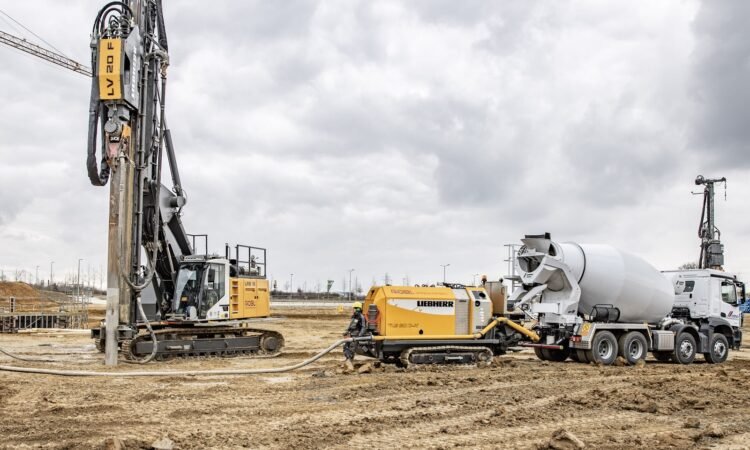
A modern pile drilling machine depends on hydraulic systems to perform multiple critical functions, including rotation, lifting, and controlled drilling pressure. These systems allow operators to manage complex drilling operations with high accuracy, even in dense or unstable ground conditions.
Role of Hydraulic Systems in Drilling Operations
Hydraulic systems are responsible for converting mechanical energy into fluid power, which is then used to drive various components of the drilling machine. This makes them essential for both movement and force generation in deep foundation work.
In a pile drilling machine, hydraulic power ensures smooth coordination between drilling torque and vertical pressure. This balance is necessary to maintain borehole accuracy while minimizing vibration and structural disturbance to surrounding soil.
Key Components of Hydraulic Systems
A hydraulic system in drilling equipment consists of several interconnected components that work together to generate and control power efficiently.
Hydraulic Pump
The hydraulic pump is the core power source of the system. It converts engine energy into hydraulic fluid flow, which drives the entire mechanism.
- Supplies pressurized fluid to the system
- Maintains consistent flow during drilling operations
- Ensures stable energy transfer to all hydraulic components
Hydraulic Cylinders
Hydraulic cylinders are responsible for converting fluid pressure into linear motion. They control the lifting and lowering of the drilling mast and auger.
- Enable vertical movement of drilling tools
- Provide controlled force for penetration
- Improve precision during deep excavation
Control Valves
Control valves regulate the direction, pressure, and flow of hydraulic fluid. They allow operators to manage machine performance in real time.
- Direct hydraulic flow to specific components
- Adjust drilling speed and torque
- Enhance operational safety and accuracy
Hydraulic Hoses and Fluid Reservoir
These components transport hydraulic fluid throughout the system while maintaining pressure stability.
- Hoses connect all hydraulic components
- Reservoir stores and cools hydraulic fluid
- Filters remove contaminants to protect system integrity
How Hydraulic Systems Improve Drilling Efficiency
Hydraulic systems significantly improve the performance of drilling machines by providing consistent and adjustable power. Unlike mechanical systems, hydraulics allow smooth operation even under variable soil resistance.
Key efficiency benefits include:
- Stable torque output for different soil conditions
- Reduced energy loss during power transmission
- Smooth transition between drilling stages
- Enhanced control over drilling depth and speed
These advantages make hydraulic systems indispensable in modern foundation engineering.
Precision and Control in Deep Foundation Work
One of the most important advantages of hydraulic systems is their ability to deliver precise control during drilling operations. This precision is critical when working on projects that require exact borehole alignment and depth.
Operators can adjust pressure and rotational speed instantly, allowing the machine to adapt to changing soil layers without interrupting the workflow. This flexibility reduces errors and improves structural reliability.
Safety Benefits of Hydraulic Technology
Hydraulic systems also contribute significantly to operational safety. By reducing mechanical strain and providing controlled movement, they help minimize the risk of sudden equipment failure.
Safety advantages include:
- Reduced vibration during drilling operations
- Controlled lifting and lowering of heavy components
- Lower risk of mechanical overload
- Improved stability in uneven terrain
These features help create a safer working environment for operators and site workers.
Common Applications in Construction
Hydraulic-powered drilling systems are widely used in a variety of construction projects where deep foundations are required. Their versatility makes them suitable for both urban and large-scale infrastructure developments.
Typical applications include:
- High-rise building foundations
- Bridge piers and highway structures
- Industrial plant foundations
- Railway infrastructure projects
- Marine and waterfront construction
In all these applications, hydraulic systems ensure consistent performance under demanding conditions.
Maintenance of Hydraulic Systems
Proper maintenance is essential to ensure long-term efficiency and reliability. Hydraulic systems are sensitive to contamination, pressure imbalance, and fluid degradation.
Key maintenance practices include:
- Regular inspection of hydraulic hoses and seals
- Monitoring fluid levels and replacing hydraulic oil when necessary
- Cleaning or replacing filters to prevent contamination
- Checking pumps and valves for wear or leakage
Routine maintenance helps prevent breakdowns and extends the lifespan of the entire drilling system.
Conclusion
Hydraulic systems are a fundamental part of modern drilling technology, enabling precision, strength, and efficiency in deep foundation construction. Their ability to deliver controlled power and adapt to varying soil conditions makes them essential for safe and effective operations.
As construction projects become more complex, hydraulic technology will continue to play a key role in improving the performance and reliability of equipment used in foundation engineering.


