
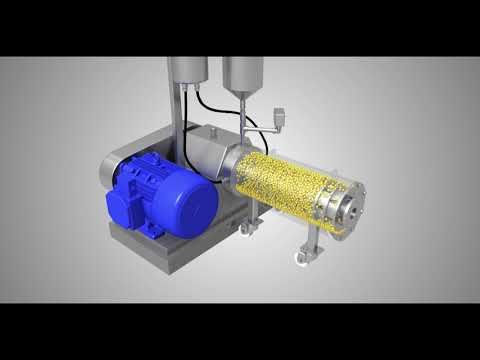
In modern industrial environments, bead milling technology is widely used for achieving fine particle size reduction and uniform dispersion in materials such as paints, chemicals, pharmaceuticals, and coatings. While these machines are highly efficient, they also involve high-speed rotating components and mechanical forces that require proper safety awareness and operational control.
A bead mill machine is designed for continuous grinding processes, but safe and efficient performance depends on following proper operating procedures and maintaining strict safety standards. Understanding these guidelines helps reduce risks, improve equipment lifespan, and ensure consistent production quality.
Importance of Safety in Bead Milling Operations
Bead mills operate using high-speed rotors and grinding media that generate intense mechanical energy. If not handled correctly, this energy can pose risks such as equipment damage, product contamination, or operator injury.
Implementing proper safety measures ensures:
- Safe handling of high-speed machinery
- Protection of sensitive materials
- Reduction in mechanical failures
- Stable and efficient production processes
A well-maintained and correctly operated system also delivers more consistent grinding performance.
Key Safety Standards for Bead Mill Machines
Industrial bead mills are designed with multiple safety features to protect both operators and equipment. These standards are essential for safe operation in continuous production environments.
1. Machine Enclosure and Protection Systems
Most modern bead mills include protective enclosures that prevent accidental contact with moving parts. These enclosures also contain grinding media and processed material within the system.
2. Emergency Shutdown Mechanisms
Emergency stop systems allow operators to quickly shut down the machine in case of abnormal vibration, overheating, or mechanical failure. This helps prevent further damage or accidents.
3. Pressure and Temperature Monitoring
Continuous monitoring of pressure and temperature ensures the machine operates within safe limits. Overheating or pressure buildup can indicate blockages or system inefficiencies.
4. Wear-Resistant Construction
Bead mills are built using durable materials to withstand constant abrasion. This reduces the risk of structural failure during long-term operation.
5. Electrical Safety Systems
Proper insulation, grounding, and overload protection help ensure safe electrical operation in industrial environments.
Operating Guidelines for Safe and Efficient Use
Safe operation of a bead mill requires proper training and adherence to standard procedures. Operators should always follow manufacturer recommendations and industry best practices.
Pre-Operation Checks
Before starting the machine, operators should:
- Inspect all mechanical components for wear or damage
- Ensure proper installation of grinding media
- Check cooling and lubrication systems
- Verify electrical connections and safety devices
Start-Up Procedure
During start-up, the machine should be gradually brought to operating speed. Sudden load increases should be avoided to prevent stress on mechanical components.
During Operation
While the machine is running, operators should:
- Monitor temperature and pressure levels
- Ensure stable material feed rates
- Listen for unusual vibrations or noise
- Avoid overloading the grinding chamber
Consistent monitoring helps maintain optimal performance and prevents unexpected failures.
Shutdown Procedure
Proper shutdown is equally important for machine safety. The system should be allowed to clear all processed material before stopping rotation. Cooling systems should continue running briefly to stabilize temperature levels.
Maintenance and Safety Maintenance Practices
Regular maintenance plays a key role in ensuring long-term safety and performance. A well-maintained machine reduces the risk of breakdowns and operational hazards.
Key maintenance practices include:
- Regular inspection of grinding media condition
- Cleaning of grinding chamber and separation system
- Replacement of worn seals and components
- Lubrication of moving parts
- Calibration of monitoring sensors
Preventive maintenance helps avoid costly downtime and ensures stable operation.
Operator Training and Awareness
Proper training is essential for safe bead mill operation. Operators must understand machine functions, emergency procedures, and basic troubleshooting techniques.
Training should cover:
- Machine operating principles
- Safety protocols and emergency response
- Maintenance schedules
- Identification of abnormal operating conditions
Well-trained personnel significantly reduce operational risks and improve overall efficiency.
Common Operational Risks and Prevention
Some common risks in bead milling operations include overheating, bead leakage, and mechanical wear. These issues can be minimized through proper monitoring and maintenance.
Preventive strategies include:
- Maintaining correct bead size and load
- Avoiding excessive operating speeds
- Ensuring proper cooling system performance
- Regular equipment inspection
Proactive management ensures safe and efficient production.
Conclusion
Safety is a critical aspect of bead milling operations, especially in high-demand industrial environments. Following proper guidelines, maintaining equipment, and ensuring operator training are essential for achieving safe and efficient performance.
A well-operated bead mill machine not only improves production quality but also reduces operational risks and extends equipment lifespan. By adhering to established safety standards and best practices, manufacturers can ensure reliable and consistent performance across all production processes.


