
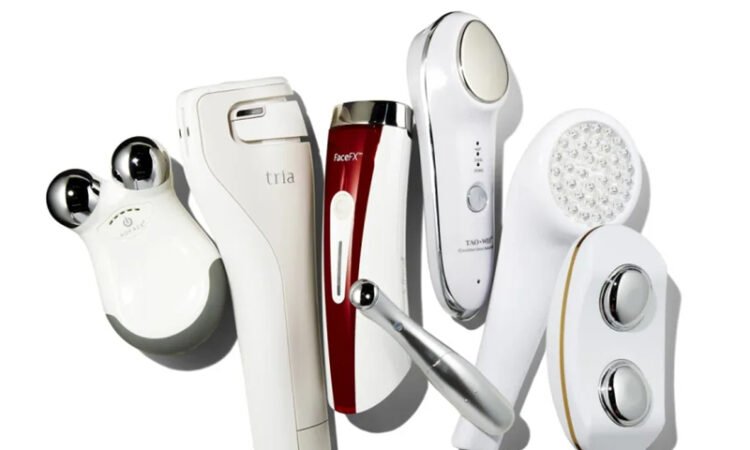
In the modern personal grooming industry, performance alone is no longer enough to satisfy consumer expectations. Users now look for products that are comfortable, easy to handle, and designed with real-world usage in mind. This is where ergonomic design plays a crucial role in shaping the effectiveness and popularity of grooming tools.
A well-designed personal care device focuses not only on functionality but also on how it feels during use. A thoughtfully engineered personal care device reduces strain, improves precision, and enhances the overall grooming experience for everyday users.
What Ergonomic Design Means in Personal Care
Ergonomic design refers to creating products that align with natural human movement and comfort. In personal grooming tools, this means designing devices that are easy to hold, control, and operate without discomfort.
Key principles of ergonomic design include:
- Natural hand positioning
- Balanced weight distribution
- Easy access to controls
- Reduced strain during extended use
These principles ensure that devices are practical for regular use.
Why Ergonomics Matters in Grooming Tools
Grooming is often a repetitive and detailed task, which means comfort and control are essential. Poorly designed tools can cause fatigue or uneven results.
Ergonomic benefits include:
- Reduced hand and wrist fatigue
- Improved grooming accuracy
- Better control during detailed tasks
- More comfortable long-term use
This makes ergonomics a key factor in product quality.
Grip Design and User Control
One of the most important aspects of ergonomic personal care devices is grip design. A secure and comfortable grip allows users to maintain better control during operation.
Effective grip features include:
- Non-slip textured surfaces
- Soft-touch materials
- Curved handle shapes
- Compact body design for better hold
These features help prevent slipping and improve precision.
Weight Distribution and Balance
Balanced weight distribution ensures that a device feels stable and easy to maneuver. If a device is too heavy on one side, it can cause discomfort and reduce accuracy.
Good balance provides:
- Easier handling during extended use
- Improved movement control
- Reduced wrist strain
- More stable performance
This is especially important for detailed grooming tasks.
Compact Design for Better Handling
Compact designs are not only space-saving but also improve usability. Smaller devices are easier to control and navigate across different areas of the body.
Benefits of compact design include:
- Easier storage and portability
- Greater control during use
- Reduced hand fatigue
- Improved precision in tight areas
Compact tools are especially popular for home grooming routines.
Button Placement and Interface Design
Ergonomic design also includes how users interact with controls. Poorly placed buttons can interrupt usage and reduce efficiency.
Well-designed interfaces feature:
- Intuitive button placement
- One-hand operation capability
- Clear labeling or indicators
- Minimal learning curve
This improves the overall user experience significantly.
Reducing Fatigue During Extended Use
Many grooming sessions require repeated or prolonged use of a device. Ergonomic design helps minimize physical strain during these periods.
Fatigue-reducing features include:
- Lightweight construction materials
- Anti-vibration systems
- Smooth motor operation
- Comfortable grip surfaces
These features ensure comfort even during longer sessions.
Precision and Control in Grooming
Ergonomics directly impacts grooming accuracy. A comfortable and well-balanced device allows users to perform detailed tasks with greater precision.
Improved precision leads to:
- Cleaner trimming and shaving results
- Better control over styling
- Reduced chances of errors
- More consistent outcomes
This is especially important for facial and detail grooming.
Material Choices That Support Ergonomics
The materials used in personal care devices also contribute to ergonomic performance. Manufacturers select materials that enhance comfort and usability.
Common ergonomic materials include:
- Soft-touch plastics for grip comfort
- Lightweight yet durable housing materials
- Rubberized coatings for stability
- Heat-resistant components for safe handling
These materials improve both safety and comfort.
Ergonomics and User Satisfaction
A well-designed device improves not just functionality but also overall satisfaction. Users are more likely to continue using products that feel comfortable and easy to operate.
User satisfaction benefits include:
- Better daily grooming experience
- Increased confidence in device control
- Reduced frustration during use
- Higher long-term product satisfaction
This makes ergonomics a key factor in product success.
Final Thoughts
Ergonomic design is an essential element in modern personal grooming technology. It ensures that devices are not only functional but also comfortable, safe, and easy to use. A well-designed personal care device improves precision, reduces fatigue, and enhances overall user satisfaction.
As consumer expectations continue to rise, ergonomic innovation will remain a major focus in the development of advanced personal care devices, shaping the future of convenient and user-friendly grooming solutions.


