
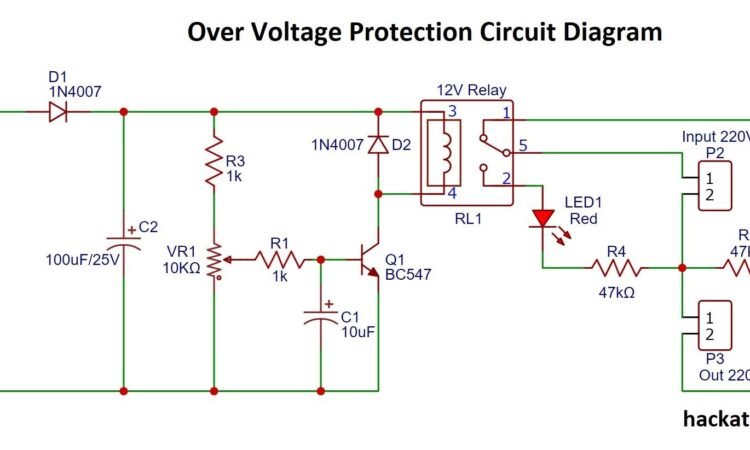
Electrical systems are vulnerable to overvoltages, which can damage appliances, reduce the lifespan of electrical equipment, and even pose fire hazards. Overvoltages occur when the voltage in a circuit exceeds the normal operating limits, often due to lightning strikes, switching operations, or sudden changes in load. Implementing proper protection measures is essential to safeguard electrical systems and ensure the safety of users and property.
A reliable solution for managing electrical surges and excess voltage is Overvoltages Protection. These devices are specifically designed to detect, limit, and redirect excessive voltage, preventing damage to connected systems. Understanding the methods and devices available for overvoltage protection can help homeowners, electricians, and industrial engineers maintain a safe and efficient electrical network.
Causes of Overvoltages
Overvoltages can arise from several sources:
- Lightning Strikes: Direct or nearby lightning can induce extremely high voltages in power lines, leading to significant electrical surges.
- Switching Operations: Sudden switching on or off of heavy electrical loads can cause transient voltage spikes.
- Fault Conditions: Ground faults, short circuits, or equipment malfunctions may result in voltage fluctuations.
- Utility Supply Variations: Unstable supply from the power grid can produce temporary or sustained overvoltage conditions.
Identifying the sources of overvoltages is crucial in selecting the appropriate protection method for any electrical system.
Devices for Overvoltage Protection
Several devices are designed to protect electrical systems from the damaging effects of overvoltage. These devices either absorb, divert, or suppress excess voltage, preventing it from reaching sensitive equipment.
1. Surge Protection Devices (SPDs)
Surge protection devices are among the most widely used overvoltage protection solutions. They work by diverting excess voltage away from electrical circuits to the ground. SPDs are commonly installed at the main distribution board or near critical equipment.
Key Features:
- Rapid response to voltage spikes.
- Protects appliances, computers, and industrial machinery.
- Available in different types to handle various levels of overvoltage.
2. Metal Oxide Varistors (MOVs)
MOVs are semiconductor devices that provide protection by changing their resistance based on the applied voltage. When the voltage exceeds a predetermined level, MOVs conduct heavily, absorbing and dissipating excess energy.
Applications:
- Protection of power strips, lighting systems, and sensitive electronics.
- Used in conjunction with other protective devices for enhanced safety.
3. Gas Discharge Tubes (GDTs)
Gas discharge tubes are designed to handle high-energy surges. They operate by ionizing a gas within the tube when the voltage exceeds a threshold, creating a low-resistance path that safely directs excess energy to the ground.
Advantages:
- High energy-handling capability.
- Ideal for industrial and telecommunications equipment.
- Works well in combination with MOVs and SPDs for layered protection.
4. Isolation Transformers
Isolation transformers provide protection by decoupling sensitive equipment from the primary power supply. They reduce the impact of transient voltages and provide a stable output for sensitive devices.
Applications:
- Medical equipment.
- Laboratory instruments.
- High-precision manufacturing machinery.
5. Zener Diodes
Zener diodes are semiconductor devices used for voltage clamping in low-voltage electronic circuits. They allow current to flow in reverse when voltage exceeds a specific level, effectively limiting overvoltage conditions.
Applications:
- Electronics and low-voltage control circuits.
- Power supplies for sensitive microelectronics.
Methods for Overvoltage Protection
Implementing overvoltage protection requires a combination of devices and design strategies:
1. Layered Protection
Using multiple protective devices at different levels of the electrical system ensures comprehensive protection. For example, an SPD at the main distribution board, MOVs near sensitive equipment, and GDTs for industrial machinery provide multiple layers of defense against surges.
2. Proper Grounding and Bonding
Effective grounding provides a safe path for excess voltage to dissipate, minimizing the risk of damage. All protective devices and metallic enclosures should be properly bonded to a reliable ground system.
3. Regular Maintenance and Monitoring
Overvoltage protection devices must be inspected periodically to ensure they remain operational. MOVs, for instance, degrade over time after absorbing multiple surges, and SPDs should be replaced as needed.
4. Surge Coordination
Selecting protective devices with compatible voltage ratings ensures that the first device handles minor surges while secondary devices manage larger spikes. This coordination prevents device failure and ensures reliable protection.
Applications of Overvoltage Protection
Overvoltage protection is essential in both residential and commercial settings:
- Residential Homes: Protecting household appliances, computers, and entertainment systems from lightning and power fluctuations.
- Commercial Buildings: Ensuring the safety of office equipment, servers, and network systems.
- Industrial Facilities: Protecting heavy machinery, control panels, and production lines from damaging voltage spikes.
- Telecommunication Systems: Safeguarding network equipment and data transmission devices.
Conclusion
Overvoltages pose significant risks to electrical systems, appliances, and human safety. Implementing effective Overvoltages Protection using devices such as SPDs, MOVs, GDTs, isolation transformers, and Zener diodes is essential for maintaining system integrity and reliability. Proper installation, grounding, and regular maintenance ensure that electrical systems remain safe and functional, preventing costly equipment damage and reducing the risk of fire or electric shock.
By combining appropriate protective devices and methods, electrical systems can withstand overvoltage events, ensuring long-term safety, reliability, and efficiency across residential, commercial, and industrial applications.


