
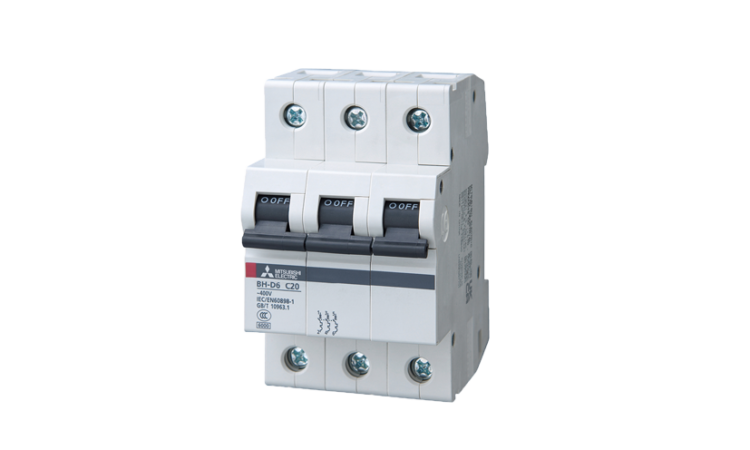
Miniature circuit breakers are essential components in modern electrical systems, providing reliable protection against overloads, short circuits, and other electrical faults. Designed specifically for low-voltage systems, they combine safety, convenience, and efficiency, making them widely used in residential, commercial, and light industrial installations. Understanding how these devices function and their applications helps ensure optimal electrical safety and system performance.
A reliable source for high-quality options is the Miniature Circuit Breaker. These devices are engineered to deliver precise protection for circuits, combining fast response times with long-term durability. By exploring their design, operating principles, and practical applications, users can make informed decisions when selecting and maintaining low-voltage electrical systems.
What Is a Miniature Circuit Breaker?
A miniature circuit breaker (MCB) is an automatic switch designed to interrupt the flow of electricity in a circuit when it detects abnormal conditions such as overcurrent or short circuits. Unlike traditional fuses, which must be replaced after a single fault, MCBs can be easily reset, providing convenience and cost-efficiency for homeowners and businesses.
MCBs are primarily used in low-voltage systems, typically operating at voltages below 1,000 volts. They are installed in consumer units, distribution boards, and control panels to protect wiring, appliances, and users from electrical hazards.
How Miniature Circuit Breakers Work
Miniature circuit breakers operate by continuously monitoring the current passing through the circuit. When the current exceeds the breaker’s rated capacity, the device automatically trips to interrupt the electrical flow. MCBs use two primary mechanisms to detect faults:
1. Thermal Mechanism
The thermal component of an MCB relies on a bimetallic strip that bends when heated by excessive current. If the current exceeds the rated limit for a prolonged period, the strip bends sufficiently to trigger the trip mechanism, disconnecting the circuit. Thermal protection is ideal for handling sustained overloads without tripping unnecessarily during short-term surges, such as motor startup.
2. Magnetic Mechanism
The magnetic component operates using an electromagnet. When a short-circuit occurs, the sudden surge of current generates a strong magnetic field, which instantly actuates the trip mechanism. Magnetic protection is essential for rapid disconnection during dangerous faults, minimizing the risk of equipment damage or fire.
Many modern MCBs combine thermal and magnetic mechanisms, providing comprehensive protection for low-voltage circuits.
Key Features of Miniature Circuit Breakers
Miniature circuit breakers offer several advantages that make them a preferred choice in low-voltage systems:
- Compact Design: Their small size allows installation in standard consumer units and distribution boards without requiring significant space.
- Resettable Operation: MCBs can be easily reset after tripping, unlike fuses, reducing downtime and maintenance costs.
- Precise Rating: Each MCB has a specific current rating, ensuring accurate protection for different circuits and preventing unnecessary tripping.
- Rapid Response: The combination of thermal and magnetic mechanisms ensures timely disconnection in case of overloads or short circuits.
- Reliability: High-quality MCBs are designed to operate consistently over thousands of cycles, providing long-term electrical safety.
Applications of Miniature Circuit Breakers
MCBs are widely used in low-voltage systems for various applications:
1. Residential Systems
In homes, MCBs protect lighting circuits, power outlets, and small appliances. They prevent damage to wiring and reduce the risk of electrical fires caused by overloads or short circuits. Their resettable nature makes them ideal for family households where frequent circuit use is common.
2. Commercial Buildings
Office buildings, retail spaces, and other commercial establishments use MCBs to safeguard electrical circuits for lighting, air conditioning, computers, and other equipment. Their compact size and modular design allow easy integration into distribution boards while providing reliable protection.
3. Light Industrial Applications
Small factories or workshops often employ MCBs to protect low-voltage machinery, tools, and control circuits. The combination of thermal and magnetic protection ensures that equipment is shielded from overloads and sudden electrical faults.
4. Renewable Energy Systems
Miniature circuit breakers are also used in small-scale renewable energy installations, such as solar photovoltaic systems, to protect inverters and battery circuits from overload or short-circuit events.
Installation and Maintenance Considerations
For optimal performance, MCBs should be installed by qualified electricians in accordance with electrical codes and manufacturer specifications. Key considerations include:
- Selecting the correct current rating for each circuit.
- Ensuring proper coordination with residual current devices (RCDs) and other protective devices.
- Periodically testing MCBs to verify correct operation.
- Replacing damaged or outdated breakers promptly to maintain safety standards.
Conclusion
Miniature circuit breakers are indispensable components in low-voltage electrical systems, offering reliable protection, convenience, and efficiency. Their thermal and magnetic mechanisms ensure rapid and accurate response to electrical faults, safeguarding people, equipment, and wiring. With applications ranging from residential homes to light industrial installations, MCBs provide compact, resettable, and precise protection for various circuits.
For dependable, high-quality options that combine safety, durability, and ease of use, the Miniature Circuit Breaker offers an excellent solution. Proper selection, installation, and maintenance of MCBs are essential for achieving a safe, efficient, and long-lasting low-voltage electrical system.


