
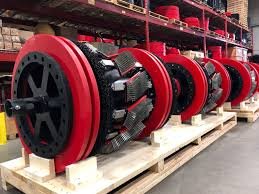
In the world of pipeline maintenance and inspection, the term “pipeline pig” is frequently used, but many people wonder about the origin of this unusual name why is it called a pipeline pig The answer lies in the history and characteristics of the device itself, as well as the functional purposes it serves. While the term “pig” may seem odd in the context of pipelines, it holds significant meaning related to the operation, sound, and utility of the tool.
What Is a Pipeline Pig?
Before diving into why it’s called a pipeline pig, it’s important to understand what a pipeline pig is and how it functions. A pipeline pig is a device that is used to clean, inspect, and maintain pipelines. It travels through pipelines, propelled either by the fluid flow or by mechanical means, and performs various tasks that help keep the pipeline in good working condition.
The term “pig” originally referred to the mechanical devices used to clean and inspect pipelines, and over time, it became a universal term for any type of device used for pipeline maintenance. These pigs can be made of different materials, including rubber, foam, or metal, and come in various designs to serve specific purposes, such as removing debris, checking for corrosion, or separating different products in a pipeline.
The Origin of the Term “Pipeline Pig”
Now that we know what a pipeline pig does, we can explore why it is called a “pig.” The origin of the term is somewhat ambiguous, but several theories attempt to explain its peculiar use.
1. The Squealing Sound
One of the most widely accepted explanations for why it’s called a pipeline pig is the squealing noise that the device makes as it moves through the pipeline. The friction between the pig and the pipeline walls can cause a high-pitched sound that resembles the squeal of a pig. This noise is particularly evident when the pig is used in the cleaning process, as it scrapes against the interior of the pipe. The term “pig” may have been adopted because the sound is reminiscent of the squealing of a pig, which is where the association likely originated.
2. Early Use of the Term “Pig” for Mechanical Devices
The word “pig” was also historically used in engineering to describe various mechanical devices. In the 19th century, the term “pig” referred to a small mechanical tool or machine used for cleaning or maintenance tasks. The use of the word “pig” for pipeline cleaning devices may have been influenced by this earlier usage, and over time, it became the standard term for pipeline pigs. The term could have evolved from the use of “pig” to describe a device that “gobbles up” debris or performs a cleaning function, similar to how pigs forage for food.
3. The Shape and Size of the Pig
Another explanation is that the design of early pipeline pigs resembled the shape of a pig. Early pigs were often cylindrical, somewhat resembling the body shape of a pig. Additionally, the devices were often designed with rubber or foam materials that could expand to fit the interior dimensions of the pipeline, much like how a pig’s body can expand or contract based on its environment. This shape may have contributed to the association with pigs, especially since the pigs were somewhat “stuffed” into the pipeline to perform their tasks.
4. Pigging and the Role of the Pig in Pipeline Maintenance
Pipeline pigs perform a range of vital tasks that help keep pipelines in good working order. These tasks include cleaning the pipeline to remove wax, debris, and other materials that may impede the flow of fluids, as well as inspecting the pipeline for structural weaknesses. Additionally, pigs can be used to separate different products within the pipeline, such as crude oil and natural gas, ensuring that the products don’t mix. The importance of these tasks in ensuring the smooth operation of pipelines could have led to the adoption of the term “pig,” as the device plays a similar role in maintaining cleanliness and efficiency, much like pigs in various cultures were considered to be useful for clearing up waste.
Different Types of Pipeline Pigs
Pipeline pigs come in various forms and serve different functions. Understanding the different types of pigs can provide additional context for why these devices are so essential to the pipeline industry and why the term “pig” is used.
1. Cleaning Pigs
Cleaning pigs are the most common type of pipeline pig. These pigs are designed to remove debris, sludge, and other buildups that can obstruct the flow of fluids within the pipeline. They are typically made of foam, rubber, or other flexible materials that can conform to the internal diameter of the pipeline. Cleaning pigs are used regularly to maintain the efficiency of the pipeline and prevent blockages.
2. Inspection Pigs
Inspection pigs, also known as “smart pigs,” are equipped with sensors and monitoring devices that allow operators to inspect the interior condition of the pipeline. These pigs are capable of detecting corrosion, cracks, and other issues that could compromise the pipeline’s integrity. They are an essential tool for preventing pipeline failures and ensuring the safe operation of the pipeline system.
3. Separation Pigs
Separation pigs are used to separate different products within the pipeline, ensuring that they don’t mix. This is especially important in industries such as oil and gas, where different types of crude oil or chemicals are often transported through the same pipeline. The separation pig helps maintain the purity of the products by creating a physical barrier between them.
Conclusion
In conclusion, the term “pipeline pig” may seem unusual at first, but it carries a lot of meaning in the context of pipeline maintenance and inspection. Whether it’s because of the squealing sound the device makes as it moves through the pipeline or because of its function in cleaning and maintaining the pipeline, the term “pig” has become synonymous with these essential tools. Pipeline pigs are vital for keeping pipelines running smoothly, reducing the risk of blockages and failures, and ensuring that pipelines are safe, efficient, and in good working condition. So, next time you hear the term “pipeline pig,” you’ll know exactly why it’s called that and how important these devices are to the pipeline industry.


