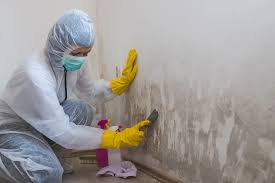
Damp is when unwanted moisture enters your home, making it wet and unhealthy. It’s important to fix damp problems because they can harm both your health and your house. For example, damp can lead to mold, which can make you sick. Moreover, it can damage walls, floors, and furniture. Addressing damp issues quickly damp specialist can save you money and keep your home safe. In this article, we will explore the different types of damp, their causes, and how to fix them. By learning more about damp, you can protect your home and family.
Types of Damp
There are three main types of damp that can affect your home: rising damp, penetrating damp, and condensation. Each type has different causes and signs, so it’s important to know how to identify them.
- Rising Damp
Rising damp happens when water from the ground moves up through the walls of your house. This usually occurs because there is no barrier to stop the water. As a result, you might see wet patches on lower walls or peeling paint. Additionally, rising damp can cause a white, powdery substance on walls called salt deposits.
- Penetrating Damp
Penetrating damp happens when water from outside gets into your house through walls or roofs. This can be due to problems like cracks in the walls, broken roof tiles, or blocked gutters. Signs of penetrating damp include water stains on walls or ceilings and damp patches that get bigger when it rains. Moreover, it can lead to mold growth, which can be harmful to your health.
- Condensation
Condensation occurs when warm, moist air inside the house meets cold surfaces like windows or walls, turning into water droplets. This often happens in kitchens and bathrooms where there is a lot of steam. You might see water on windows or black mold in corners. To reduce condensation, it helps to keep your home well-ventilated by opening windows and using fans.
By understanding these types of damp, you can better protect your home and keep it dry and healthy.
Causes of Damp
Damp in your home can be caused by several different factors. Understanding these causes can help you prevent damp problems and keep your home dry.
- Poor Ventilation
Firstly, poor ventilation is a common cause of damp. When air cannot move freely, moisture from everyday activities like cooking, washing, and drying clothes stays inside. This extra moisture can then lead to damp and mold. To improve ventilation, you can open windows and use extractor fans, especially in the kitchen and bathroom.
- Structural Problems
Secondly, structural problems in your home can cause damp. If there are cracks in the walls or broken roof tiles, water can seep in when it rains. Furthermore, blocked or broken gutters can lead to water overflowing and soaking into the walls. It’s important to regularly check and maintain your home’s structure to avoid these issues.
- Environmental Factors
Lastly, environmental factors can contribute to damp problems. For instance, if your home is located in an area with heavy rainfall or high humidity, it’s more likely to develop damp. Additionally, if the ground around your home does not drain well, water can collect and cause rising damp. To manage these environmental factors, ensure proper drainage around your home and consider using a dehumidifier to reduce indoor humidity.
By knowing these causes of damp, you can take steps to prevent it and keep your home safe and dry.
Identifying Damp Problems
Identifying damp problems early can save you a lot of trouble and money. Here are some simple ways to spot damp in your home.
- Visual Signs
Firstly, look for visual signs of damp. You might see mold growing on walls or ceilings. Additionally, paint or wallpaper may start to peel or bubble. Wet patches on walls, especially near the floor, can also indicate damp. Moreover, check for water stains or discoloration on walls and ceilings. These are strong indicators that moisture is present.
- Smell
Secondly, use your sense of smell to detect damp. Damp areas often have a musty, unpleasant odor. This smell can be a clue that there is hidden damp or mold in your home. If you notice a persistent musty smell, it’s a good idea to investigate further.
- Professional Assessment
Lastly, if you suspect damp but cannot find the source, it’s wise to call a damp specialist. These professionals have tools and knowledge to identify and measure damp. They can also recommend the best solutions to fix the problem. Moreover, a damp specialist can help prevent future damp issues by giving you maintenance tips.
By knowing these signs, you can quickly identify damp problems and take action to fix them, keeping your home dry and healthy.
Solutions for Damp Problems
Fixing damp problems in your home is very important to keep it safe and healthy. Here are some easy solutions to get rid of damp.
- Improving Ventilation
Firstly, improving ventilation can help reduce damp. You can do this by opening windows regularly to let fresh air in. Additionally, using fans in the kitchen and bathroom can help remove steam and moisture. Installing a dehumidifier can also be very effective. This device removes moisture from the air, making your home less damp.
- Structural Repairs
Secondly, fixing structural problems is crucial. Check your home for cracks in the walls or broken roof tiles, as these can let water in. Also, make sure your gutters and downpipes are not blocked. Clean them regularly to prevent water from overflowing and soaking into the walls. If you find any damage, repairing it quickly can prevent damp from spreading.
- Using Damp-Proof Materials
Lastly, using damp-proof materials can protect your home. For example, you can install a damp-proof membrane under your floors to stop rising damp. Additionally, applying a damp-proof coating to your walls can prevent water from penetrating. There are also special paints and sealants that can help keep your home dry.
By following these solutions, you can effectively deal with damp problems and ensure your home stays dry and comfortable.
Preventing Damp in the Future
Preventing damp in your home is essential to keep it safe and comfortable. Here are some easy steps to avoid damp problems in the future.
- Regular Maintenance
Firstly, regular maintenance of your home can prevent damp. Check your roof for broken tiles and fix them quickly. Clean your gutters regularly to ensure water flows away from your home. Additionally, look for any cracks in the walls and seal them to stop water from getting in. By maintaining your home, you can prevent damp from starting.
- Proper Ventilation
Secondly, ensure your home has proper ventilation. Open windows daily to let fresh air in and moisture out. Use extractor fans in the kitchen and bathroom to remove steam. Moreover, using a dehumidifier can help keep the air dry. Good ventilation reduces moisture levels, making it harder for damp to develop.
- Managing Moisture
Lastly, managing moisture inside your home is crucial. Avoid drying clothes indoors, as this adds extra moisture to the air. If you must dry clothes inside, use a well-ventilated room or a dehumidifier. Also, cover pots when cooking to reduce steam. Additionally, make sure your home’s heating system is working properly, as a warm house is less likely to develop damp.
By following these simple steps, you can prevent damp problems and keep your home dry and healthy for the future.
Conclusion
Understanding and addressing damp problems is crucial for a safe and healthy home. By knowing the types of damp, their causes, and how to fix them, you can protect your home. Regular maintenance and proper ventilation are key to preventing damp. If you spot any signs of damp, take action quickly. Remember, calling a damp specialist can help identify and solve problems effectively. By following these tips, you can keep your home dry, comfortable, and free from damp issues. Protecting your home from damp is an important step towards a healthier living environment for you and your family.