
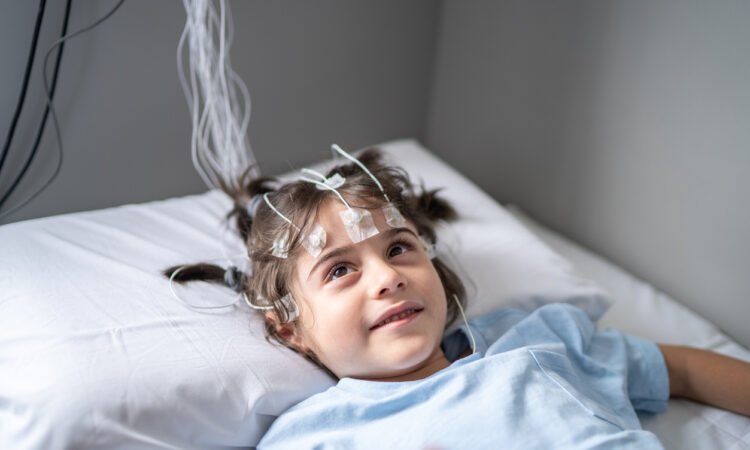
Pediatric obstructive sleep apnea is a common medical condition which causes abnormal breathing pattern, particularly at night while sleeping. The upper airway tract can be blocked either completely or incompletely due to several underlying causes. This condition clinically appears to be as “taking noticeable pauses while breathing at night ”. This reduced ability to breathe triggers the brain to activate the breathing pathway in effective clearing of any obstructions.
The affected child has poor sleep quality due to the repeated interruptions. This effect will cause decreased energy levels during the day and other behavioral changes in children. Sleep apnea may interfere with the academics, social life and the development of the affected children. Previous medical history of allergies, exposure to environmental/tobacco factors, respiratory illness and lifestyle choices make an individual more prone to developing sleep apnea.
There are different types of sleep apnea in children depending on the symptoms. Obstructive sleep apnea is the most common type. While this condition is manageable with the lifestyle modifications and use of medical devices, prompt evaluation is necessary. It is essential to undergo complete physical examination and clinical investigations by pediatrician to help in proper diagnosis and treatment management of obstructive sleep apnea in children.
Symptoms
The clinical symptoms of obstructive sleep apnea in children are seen during the sleep and the day. There are significant changes in breathing patterns, sleep quality and activity levels during the daytime.
- Uncontrolled snoring
- Episodes of pauses or breaks in breathing pattern at night
- Uneasiness
- Gasping for air/catching breath during sleep
- Poor sleep quality
- Profuse sweating
- Breathing through mouth
- Bed wetting habit
- Sleep walking or talking
- Daytime tiredness
- Lack of interest in activities
- Difficulty with focus and attention
- Early morning headaches which may worsen during the day
- Changes in mood and behavior such as Irritation or agitation
Parents or guardians would require to monitor the child during sleep, general behavior and underlying medical conditions like enlarged tonsils. Annual scheduled consultations with the children’s doctor will help in early diagnosis. Skedoc provides a list of the best pediatricians in A S Rao Nagar.
Causes
The underlying causes to develop obstructive sleep apnea are related to the abnormal skeletal changes, infections, and inherited disorders. Some of the most common causes are as follows:
- Infectious or inflammatory conditions like adenoiditis and tonsillitis.
- Changes in the muscular tonicity.
- Anatomical variations in the dental and facial profile like small jaw.
- Abnormal soft tissue and bony growths in upper respiratory pathway like nasal polyps or turbinates.
- Genetic disorders like Down’s Syndrome or Cerebral palsy.
- Respiratory illness like asthma, sinusitis, and other lung disorders.
- Sedentary lifestyle.
- Medical conditions like obesity.
- A strong family history of sleep apnea.
These causes may also lead to developing secondary complications such as delayed development, ADHD, loss of bladder control and cardiopulmonary diseases. Further evaluation is based on the diagnostic investigations such as sleep study.
Treatment in children.
There are various treatment options based on the above causes, intensity of the symptoms and severity of the sleep apnea. Firstly, the pediatrician will assess the underlying conditions and recommend a suitable plan to better manage the symptoms and provide relief. These conservative measures include patient education and counseling on the mechanism of disease and the need for treatment options, symptom specific medications like antihistamines for allergies and decongestant for an infectious respiratory illness. Avoidance of any seasonal allergens or triggers may help to manage any flare-ups.
An additional device called C-PAP (Positive Airway Pressure) with nasal mask is recommended to be used while sleeping. The complete manual of instructions for effective usage is provided by the pediatrician beforehand. Timely upgradation of the sleep apnea machines and masks is mandatory to avoid any further complications. Inclusion of healthy lifestyle choices may help in overall improvement of the condition. Attending behavioral modification therapy classes will help the affected individual to learn coping mechanisms to improve the academic and behavioral growth. Emphasis on weight loss practices and physical activity regimen will help with daytime fatigue.
In extreme cases, surgical treatment is the preferred choice to improve the sleep apnea. An ENT specialist may perform surgical removal of infected tonsils and adenoids. Other structural changes that are causing obstruction in the nasal and upper respiratory pathway will be addressed by a general pediatric surgeon or an ENT. Hyderabad is a known place to get the pediatric care and treatment. Children’s doctors in A S Rao Nagar, Hyderabad will work together with the surgeons to implement the recommended treatment plan and give expertise care for the kids.
Adhering to the follow-up appointments are mandatory to provide monitoring services and prevention of any relapse episodes. Untreated sleep apnea in children can cause life threatening conditions and death.


