
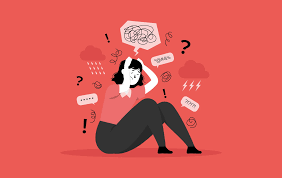
The landscape of depression treatment has undergone significant transformation over the past few decades. Once predominantly focused on pharmaceutical interventions and psychotherapy, the advent of alternative therapies has opened new possibilities for patients battling depression. Among these, Ketamine Infusion Therapy stands out as a revolutionary approach that is breaking new ground in the treatment of chronic pain and mood disorders. As healthcare providers, it’s essential to understand the evolution of depression treatment to better serve patients and explore all potential treatment options.
At SoCal Infusions, located in Pasadena, Southern California, we aim to provide the latest advancements in mental health and pain management, including innovative treatments like ketamine therapy. This article will explore the evolution of depression treatment, including the role of traditional therapies, the rise of ketamine, and the factors healthcare providers need to consider when treating patients.
Traditional Depression Treatments
Historically, depression has been treated through a combination of psychotherapy and pharmacotherapy. Both methods have shown varying degrees of success, but they also come with limitations.
1. Antidepressants
Antidepressants have been the cornerstone of depression treatment for many years. These medications, such as selective serotonin reuptake inhibitors (SSRIs), serotonin-norepinephrine reuptake inhibitors (SNRIs), and tricyclic antidepressants (TCAs), work by altering the chemical balance of neurotransmitters in the brain, like serotonin, norepinephrine, and dopamine. By improving these chemical imbalances, antidepressants aim to alleviate depressive symptoms.
While many patients find relief through antidepressants, the treatment is not without its drawbacks. The process of finding the right medication can be lengthy, with numerous trial-and-error adjustments necessary to determine which medication and dosage work best. Side effects such as weight gain, sexual dysfunction, insomnia, and gastrointestinal issues can discourage patients from adhering to their prescribed regimen. Additionally, antidepressants may not work for everyone, especially for those with treatment-resistant depression.
2. Psychotherapy
Cognitive Behavioral Therapy (CBT) and other forms of psychotherapy have also been widely used in treating depression. Psychotherapy helps patients identify negative thought patterns and behaviors, offering them tools to modify these habits and improve emotional regulation. While psychotherapy is effective for many, it may take weeks or months before significant improvements are seen, and access to therapists may be limited in some areas.
Moreover, psychotherapy relies heavily on patient engagement and effort, which can be challenging for individuals experiencing severe depression, where motivation and energy are often low.
The Emergence of Ketamine Therapy
In recent years, Ketamine Infusion Therapy has emerged as a groundbreaking treatment for depression, especially for those suffering from treatment-resistant depression. Originally developed as an anesthetic, ketamine has been found to have powerful effects on the brain that go beyond pain relief. Research has shown that ketamine can quickly alleviate symptoms of depression and other mood disorders like anxiety, OCD, and PTSD.
What Is Ketamine?
Ketamine is a dissociative anesthetic that was first developed in the 1960s. It has been used for anesthesia in medical procedures, especially in pediatric and battlefield medicine, due to its ability to provide pain relief without affecting respiration or heart rate. However, it wasn’t until the early 2000s that researchers began to explore ketamine’s potential for treating mental health conditions.
Studies revealed that when administered at lower doses, ketamine has rapid-acting antidepressant effects. Unlike traditional antidepressants that can take weeks to show results, ketamine provides quick relief—sometimes within hours or days. This makes it an invaluable treatment for individuals suffering from severe depression, especially those who have not found success with other therapies.
How Ketamine Works in the Brain
Ketamine works by interacting with the brain’s glutamate system, specifically the NMDA receptor. This is a different mechanism than traditional antidepressants, which primarily affect serotonin and norepinephrine levels. By modulating the glutamate system, ketamine helps to stimulate synaptogenesis, or the growth of new neural connections, in areas of the brain that are often affected by depression. This ability to “reboot” the brain’s neural circuits is believed to contribute to its rapid effects.
The fast-acting nature of ketamine sets it apart from traditional medications, which often require weeks to show significant improvements. Additionally, ketamine may offer relief from symptoms that are often not addressed by other antidepressants, such as feelings of hopelessness and emotional numbness.
Benefits of Ketamine Therapy for Depression
1. Rapid Relief
One of the primary advantages of ketamine therapy is its speed. Unlike traditional antidepressants, which may take weeks or months to produce noticeable effects, ketamine can provide rapid relief, often within hours or days. This is especially important for individuals experiencing severe depression or those at risk of suicide.
2. Treatment-Resistant Depression
Many patients suffering from depression do not respond well to traditional treatments. For these individuals, ketamine offers a promising alternative. Studies have shown that ketamine can be effective in patients with treatment-resistant depression, meaning those who have tried multiple medications and therapies without success.
3. Fewer Side Effects
Compared to traditional antidepressants, ketamine has fewer side effects. While some individuals may experience temporary dissociative symptoms during the infusion process, these effects are short-lived and generally subside quickly after the session. Additionally, ketamine does not cause the sexual dysfunction, weight gain, or gastrointestinal issues often associated with other antidepressant medications.
4. Versatility in Treating Co-Occurring Conditions
Ketamine has shown promise in treating not only depression but also other mental health disorders such as anxiety, PTSD, and OCD. This makes it a versatile treatment option for individuals dealing with multiple co-occurring conditions, which is common in patients with depression.
5. Improved Quality of Life
By alleviating depressive symptoms, ketamine therapy can significantly improve the overall quality of life for individuals suffering from chronic mood disorders. Patients often report feeling more engaged with life, more motivated, and better able to manage their day-to-day activities after receiving ketamine infusions.
The Ketamine Treatment Process
At SoCal Infusions, our ketamine infusion therapy is administered in a safe, controlled environment by experienced physicians and anesthesiologists. Before starting treatment, patients undergo a thorough consultation and medical evaluation to determine if ketamine therapy is appropriate for their condition.
During the infusion, patients typically receive an intravenous (IV) dose of ketamine that lasts for about 40 minutes to an hour. The dosage and frequency of treatment are individualized based on the patient’s needs. Many patients experience a feeling of dissociation or a “floaty” sensation during the infusion, but these effects are temporary and wear off shortly after the session ends.
Most patients receive a series of infusions over several weeks, with maintenance treatments scheduled as needed. Our clinic offers a comfortable and supportive environment to help patients feel at ease during their sessions.
Considerations for Healthcare Providers
As ketamine therapy becomes more widely available, healthcare providers must stay informed about its benefits and risks. Here are some key considerations for providers:
1. Patient Selection
Ketamine therapy is not suitable for everyone. It’s important to assess whether a patient’s depression is likely to respond to ketamine and whether they have any contraindications, such as a history of substance abuse or certain medical conditions. A thorough assessment by a qualified healthcare provider is essential to ensure the safety and efficacy of the treatment.
2. Ongoing Monitoring
Although ketamine is generally well-tolerated, patients should be monitored during and after the infusion to assess for any adverse effects. Patients should also be monitored over the course of their treatment to evaluate the effectiveness of the therapy and make adjustments as needed.
3. Collaboration with Other Providers
Ketamine therapy should be used in conjunction with other therapeutic approaches, such as psychotherapy and lifestyle interventions. Providers should collaborate with mental health professionals to ensure a holistic approach to treatment that addresses the full range of factors contributing to a patient’s depression.
The Future of Depression Treatment
As more research is conducted and the clinical use of ketamine expands, the future of depression treatment looks promising. Ketamine’s potential to rapidly alleviate symptoms of depression, especially in patients who have not responded to other treatments, makes it a vital tool in the fight against this debilitating condition. The ongoing development of ketamine-based treatments, such as esketamine (a nasal spray), further enhances the accessibility and effectiveness of this therapy.
At SoCal Infusions, we are committed to providing the latest and most effective treatments for depression and other mood disorders. By offering cutting-edge therapies like ketamine infusion, we aim to help patients find relief and regain control of their lives.
Conclusion
The evolution of depression treatment has led to the development of new and exciting options, with ketamine therapy standing out as a revolutionary treatment for individuals suffering from treatment-resistant depression. As healthcare providers, understanding the benefits and challenges of ketamine therapy can help ensure that patients receive the most effective care possible. Whether used as a stand-alone treatment or in combination with other therapies, ketamine has the potential to transform the lives of those struggling with depression, anxiety, PTSD, and other mood disorders. At SoCal Infusions, we are proud to offer this innovative therapy to those in need, providing a brighter future for individuals battling chronic pain and mood disorders.


