
Human Growth Hormone (HGH) has garnered significant attention in recent years for its purported anti-aging and performance-enhancing effects. Among the various HGH products available, Hygetropin has emerged as a popular choice, but understanding how it works in the body requires delving into the science behind its mechanisms of action.
What is Hygetropin HGH?
Hygetropin is a synthetic form of human growth hormone, produced through recombinant DNA technology. It is designed to mimic the actions of naturally occurring HGH, which is produced by the pituitary gland. Hygetropin is typically administered via injection and is used for a variety of purposes, including promoting growth in children with growth hormone deficiency and combating age-related decline in adults.
Stimulation of Growth and Repair
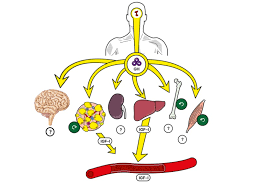
At its core, the primary function of HGH, including Hygetropin, is to stimulate growth and repair processes throughout the body. This hormone plays a crucial role in the development of bones, muscles, and organs during childhood and adolescence. In adulthood, HGH continues to support tissue maintenance and repair, hygetropin effects maintain bone density, muscle mass, and organ function.
Activation of Insulin-like Growth Factor 1 (IGF-1)
One of the key ways in which HGH exerts its effects is by stimulating the production of insulin-like growth factor 1 (IGF-1) in the liver and other tissues. IGF-1 is a peptide hormone that shares structural similarities with insulin and plays a central role in mediating the growth-promoting effects of HGH. It acts on target tissues throughout the body to promote cell growth, proliferation, and differentiation.
Metabolic Effects
In addition to its effects on growth and repair, HGH also influences metabolism. It promotes the breakdown of fats (lipolysis) and encourages the uptake of glucose by cells, thereby helping to regulate blood sugar levels. These metabolic effects contribute to the leaner body composition often observed with HGH therapy.
Enhancement of Protein Synthesis
HGH plays a crucial role in protein metabolism by increasing the rate of protein synthesis and decreasing protein breakdown. This results in a net gain of lean muscle mass and improved muscle tone. Athletes and bodybuilders often seek HGH supplementation to enhance muscle growth and recovery following intense training.
Anti-Aging Effects
One of the most sought-after benefits of HGH therapy is its potential anti-aging effects. As we age, the production of HGH naturally declines, leading to changes in body composition, reduced muscle mass, and diminished vitality. By replenishing HGH levels through supplementation with products like Hygetropin, individuals may experience improvements in energy levels, skin elasticity, and overall well-being.
Regulation of Sleep and Circadian Rhythms
HGH secretion is tightly regulated by the body’s internal clock, with peak levels occurring during deep sleep. Adequate sleep is essential for maximizing HGH production, as disruptions to sleep patterns can impair the body’s ability to release this hormone. By promoting restful sleep and maintaining healthy circadian rhythms, HGH supports overall health and vitality.
Potential Risks and Side Effects
While HGH therapy holds promise for various applications, it is not without risks. Excessive or improper use of HGH can lead to a range of side effects, including joint pain, fluid retention, and insulin resistance. Long-term use may also increase the risk of certain medical conditions, such as diabetes and cardiovascular disease. As such, HGH therapy should always be administered under the guidance of a qualified healthcare provider.
Conclusion
Hygetropin HGH offers a synthetic solution to replenishing declining levels of human growth hormone in the body. By mimicking the actions of endogenous HGH, Hygetropin promotes growth, repair, and metabolic regulation, offering potential benefits for individuals seeking to enhance physical performance, combat aging, or address growth hormone deficiencies. However, like any medication, HGH therapy should be approached with caution and under the supervision of a healthcare professional to minimize risks and maximize benefits.
Top of Form


