
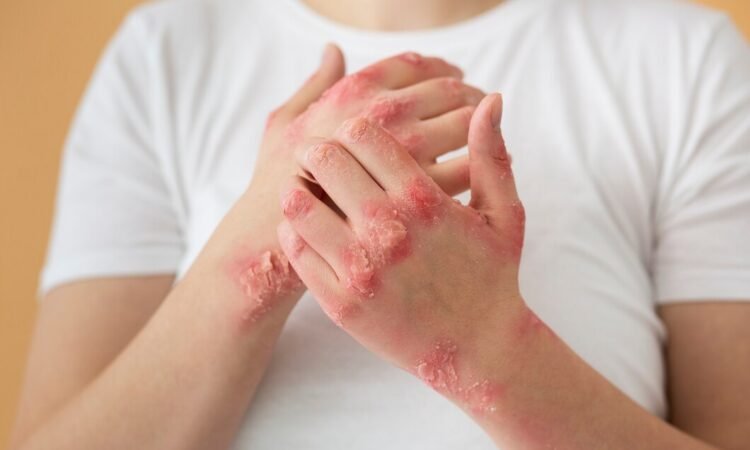
Eczema, also known as atopic dermatitis, is a chronic skin condition characterized by inflammation, itching, and redness. It affects millions of people worldwide, with symptoms ranging from mild discomfort to severe impairment of daily life. Understanding how to manage eczema effectively is crucial for improving quality of life and reducing its impact. In this guide, we’ll explore various strategies and treatments for managing eczema, tailored to different age groups and lifestyles.
What is Eczema?
Eczema is a common skin disorder that often begins in infancy and can persist into adulthood. It is marked by periods of flare-ups and remissions, making management a continuous process. While the exact cause of eczema remains unknown, factors such as genetics, environmental triggers, and immune system dysfunction play significant roles.
Types of Eczema
There are several types of eczema, each with its own distinct characteristics. Atopic dermatitis is the most prevalent form, but others include contact dermatitis, nummular eczema, and pompholyx eczema.
Causes and Triggers
Eczema can be triggered by a variety of factors, including allergens, irritants, stress, and hormonal changes. Identifying and avoiding these triggers is essential for minimizing flare-ups and maintaining skin health.
Common Symptoms of Eczema and How to Manage Them
According to Chinese Doc’s article titled “Coping with TSW: Redness, Ooze and Itch,” there are 3 common symptoms of eczema: redness, weeping, and dry itch. Eczema is a group of skin conditions characterized by itchy, dry, and inflamed skin. The severity of eczema can vary from person to person, with some experiencing mild symptoms and others experiencing more severe symptoms.
1) Redness: Eczema can cause the skin to appear red or inflamed, which can be particularly noticeable on light skin tones. In darker skin tones, eczema may appear as dark brown, purple, or gray.
To reduce redness, a healthcare provider may suggest using over-the-counter (OTC) topical hydrocortisone, a low potency steroid that works by reducing irritation, itching, and inflammation. Other treatments for redness include prescription topicals, such as steroids in varying strengths, calcineurin inhibitors, PDE4 inhibitors, and Janus kinase (JAK) inhibitors. Chinese herbs are also a viable alternative to reducing redness.
2) Weeping: In some cases, eczema can lead to weeping, which is characterized by fluid-filled blisters on the skin. This occurs when the skin becomes too dry, cracked, or inflamed, allowing infection to enter and cause the eczema symptoms to worsen.
If weeping is a concern, it’s essential to address the underlying cause, such as a skin infection. Two viable treatment options include the use of antibiotics, or topical treatments like potassium permaganate wash, or eczema powder to dry up the ooze.
3) Dry itch: Eczema can cause the skin to become dry and itchy, which can lead to scratching and further exacerbate the condition. This itch can be particularly noticeable at night, leading to disrupted sleep patterns and difficulty concentrating during the day.
To alleviate dry itch, a healthcare provider may recommend using OTC hydrocortisone creams or ointments, which can provide temporary relief. Natural moisturizers that heal include Elpis AD+ from Taiwan. Moisturizing the skin with ointments such as petroleum jelly can help. It is also important to check that the moisturizers you use do not contain alcohol, scents, dyes, and other skin-irritating chemicals.
Incorporate Lifestyle Changes to Manage Eczema
Importance of Skincare Routines
Establishing a consistent skincare routine is fundamental for managing eczema. This includes gentle cleansing, moisturizing, and protecting the skin from harsh environmental factors.
Dietary Considerations
Certain foods may exacerbate eczema symptoms in some individuals. While triggers can vary from person to person, common culprits include dairy, gluten, and processed foods. Adopting an anti-inflammatory diet rich in fruits, vegetables, and omega-3 fatty acids may help alleviate symptoms.
Stress Management Techniques
Stress is a known trigger for eczema flare-ups, so learning to manage stress is essential for maintaining skin health. Techniques such as mindfulness meditation, yoga, and deep breathing exercises can help reduce stress levels and promote relaxation.
Conclusion
Managing eczema is a multifaceted endeavor that requires a comprehensive approach encompassing lifestyle changes, medical treatments, and psychological support. By understanding the triggers and manifestations of eczema, individuals can tailor their management strategies to suit their specific needs.


