
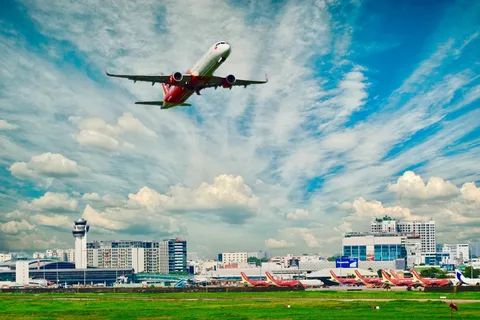
In the realm of modern travel, the choice between domestic flights and international ones often presents travelers with a pivotal decision. Each option carries its own set of considerations, from cost and convenience to cultural immersion and adventure. As passengers weigh their options, they delve into a complex landscape where distance, regulations, and experiences intertwine. Exploring the nuances of domestic and international flights unveils a tapestry of possibilities, each offering a unique journey through the clouds.
Navigating the Differences
Domestic flights primarily connect cities within the borders of a single country, catering to travelers with destinations closer to home. These flights tend to be shorter in duration, making them ideal for quick getaways, business trips, or visits to relatives. Conversely, international flights traverse borders, linking countries and continents in journeys that span vast distances. These flights often entail longer travel times, heightened security measures, and diverse cultural encounters.
Cost Considerations
One of the most significant factors influencing the choice between domestic and international flights is cost. Generally, domestic flights tend to be more affordable, as they cover shorter distances and incur lower operational expenses for airlines. However, the price discrepancy between domestic and international flights can vary depending on factors such as seasonality, demand, and the presence of budget carriers.
Accessibility and Frequency
In many regions, domestic flights enjoy higher frequency and accessibility compared to their international counterparts. Countries with expansive domestic air networks often feature multiple daily flights between major cities, providing travelers with flexibility and convenience. On the other hand, international flights may operate less frequently, especially for destinations with lower demand or limited airline connections.
Travel Time and Distance
The distinction between domestic and international flights also lies in travel time and distance. Domestic flights typically cover shorter distances, resulting in shorter flight durations and reduced time spent in transit. This appeals to travelers seeking quick and efficient transportation for short-haul journeys. International flights, meanwhile, encompass longer distances, necessitating extended periods of travel and potential layovers for connecting flights.
Immigration and Customs Procedures
International flights involve navigating immigration and customs procedures, adding layers of complexity to the travel experience. Passengers must adhere to entry requirements, such as visas and passport validity, for their destination country. Additionally, customs regulations dictate what items travelers can bring across borders, with restrictions varying from country to country. These procedures contribute to the overall journey duration and require passengers to plan accordingly.
Cultural Diversity and Experiences
One of the distinguishing features of international flights is the opportunity for cultural immersion and diverse experiences. Traveling to foreign countries exposes passengers to new languages, cuisines, traditions, and landscapes, enriching their perspectives and broadening their horizons. From exploring ancient ruins to sampling local delicacies, international travel offers a tapestry of experiences that captivate the senses and create lasting memories.
Amenities and Services
The amenities and services offered on domestic and international flights can vary significantly, influencing the overall travel experience. Domestic flights typically feature shorter flight durations and may offer limited onboard services, such as snacks and beverages. In contrast, international flights often provide more extensive amenities, including in-flight entertainment systems, gourmet meals, and enhanced seating options like lie-flat beds in premium cabins.
Health and Safety Considerations
Health and safety considerations play a crucial role in both domestic and international travel, particularly in the wake of global health crises such as the COVID-19 pandemic. Airlines implement various measures to ensure passenger well-being, including enhanced cleaning protocols, mask mandates, and social distancing measures. Additionally, travelers may encounter different health regulations and entry requirements when crossing international borders, necessitating thorough preparation and adherence to guidelines.
Environmental Impact
The environmental impact of air travel is a growing concern for conscientious travelers, prompting discussions about sustainability and carbon emissions. Domestic flights, which typically cover shorter distances, tend to have a lower environmental footprint compared to international flights. However, advancements in aircraft technology and sustainable aviation initiatives aim to mitigate the environmental impact of air travel across both domestic and international routes.
Booking and Planning Considerations
Booking and planning considerations differ between domestic and international flights, reflecting the unique requirements of each type of travel. Domestic flights often offer more flexibility in terms of booking options, with last-minute deals and frequent flyer programs catering to spontaneous travelers and business trips. In contrast, international travel typically involves more extensive planning, including visa applications, currency exchange, and itinerary coordination.
Risk Factors and Travel Advisories
Travelers must consider risk factors and travel advisories when embarking on domestic or international flights, particularly in regions prone to political unrest, natural disasters, or health emergencies. Governments and international organizations issue travel advisories to inform travelers about potential hazards and provide guidance on safe travel practices. Staying informed about travel advisories and exercising caution can help mitigate risks and ensure a smoother journey.
Language and Communication Challenges
International travel often presents language and communication challenges for passengers navigating unfamiliar destinations. While English serves as a common language in many international airports and tourist hubs, travelers may encounter language barriers when interacting with locals or seeking assistance. Learning basic phrases in the local language and utilizing translation apps can help bridge communication gaps and enhance the travel experience.
Cultural Etiquette and Customs
Understanding cultural etiquette and customs is essential for travelers embarking on international flights, as it fosters respect and appreciation for the host country’s traditions and values. Different cultures may have varying norms regarding greetings, gestures, and social interactions, which travelers should familiarize themselves with to avoid inadvertent offenses. Embracing cultural diversity and demonstrating cultural sensitivity enriches the travel experience and fosters meaningful connections with local communities.
Healthcare and Medical Facilities
Access to healthcare and medical facilities can vary significantly between domestic and international destinations, influencing travelers’ preparedness for emergencies. Domestic flights typically operate within countries with established healthcare systems, providing passengers with access to medical assistance in case of illness or injury. International travel, however, may entail greater uncertainty regarding healthcare quality and accessibility, prompting travelers to purchase travel insurance and research medical facilities at their destination.
Travel Documentation and Identification
Travel documentation and identification requirements differ between domestic and international flights, necessitating careful attention to detail when preparing for travel. Domestic flights typically require passengers to present government-issued identification, such as a driver’s license or passport, for security purposes. International travel, meanwhile, mandates additional documentation, including passports, visas, and entry permits, depending on the traveler’s nationality and destination country.
Airport Security and Screening
Airport security and screening procedures aim to ensure passenger safety and prevent security threats, with protocols varying between domestic and international flights. Domestic flights generally involve standard security screenings, such as metal detectors and baggage checks, conducted by airport security personnel. International travel entails more rigorous security measures, including passport checks, immigration inspections, and enhanced screening for prohibited items.
Luggage Allowances and Restrictions
Luggage allowances and restrictions differ between domestic and international flights, impacting travelers’ packing strategies and overall travel experience. Domestic flights often have more generous baggage allowances, allowing passengers to bring additional luggage or sporting equipment without incurring extra fees. International travel, however, may have stricter baggage limits and regulations governing the transport of certain items, such as liquids, electronics, and perishable goods.
Airport Facilities and Services
Airport facilities and services vary in scope and quality between domestic and international terminals, shaping the overall travel experience for passengers. Domestic airports typically cater to short-haul flights and may offer basic amenities such as dining options, retail stores, and lounges. International airports, meanwhile, provide a broader range of services, including duty-free shopping
, currency exchange, VIP lounges, and transportation connections to city centers.
Cuisine and Dining Options
Cuisine and dining options differ between domestic and international flights, reflecting cultural preferences and culinary traditions. Domestic flights often feature simple meal offerings or snack boxes, catering to shorter flight durations and budget-conscious travelers. International flights, on the other hand, showcase a diverse array of cuisines, with airlines serving gourmet meals inspired by the destination country’s culinary heritage. Passengers can savor regional specialties and culinary delights while soaring through the skies.
Time Zone Variations and Jet Lag
Time zone variations and jet lag can impact travelers differently depending on whether they’re on a domestic or international flight. Domestic travel within a single time zone typically minimizes disruptions to the body’s internal clock, resulting in less pronounced jet lag. International travel, however, may involve crossing multiple time zones, leading to fatigue, disorientation, and sleep disturbances as the body adjusts to new schedules. Strategies such as staying hydrated, getting adequate rest, and gradually acclimating to the new time zone can help alleviate jet lag symptoms.
Cultural Exchange and Global Connectivity
International flights serve as conduits for cultural exchange and global connectivity, fostering connections between people, ideas, and economies across borders. These flights facilitate tourism, business travel, academic exchanges, and diplomatic missions, contributing to mutual understanding and cooperation among nations. By bridging geographical divides and fostering cross-cultural dialogue, international air travel plays a pivotal role in shaping the interconnected world we inhabit.
Environmental Sustainability and Air Travel
Environmental sustainability is an increasingly pressing concern in the aviation industry, prompting efforts to reduce carbon emissions and mitigate the environmental impact of air travel. Airlines are investing in fuel-efficient aircraft, exploring alternative fuels, and implementing carbon offset programs to minimize their ecological footprint. Passengers can also contribute to sustainability efforts by choosing eco-friendly airlines, reducing unnecessary travel, and offsetting their carbon emissions through voluntary initiatives.
Economic Impacts of Air Travel
Air travel has significant economic impacts on both domestic and international scales, driving tourism, trade, and economic growth. Domestic flights stimulate regional economies by connecting cities and facilitating business travel, while international flights contribute to global commerce and cultural exchange. The aviation industry generates employment, supports small businesses, and fosters innovation, making it a vital component of the global economy.
Legal and Regulatory Considerations
Legal and regulatory considerations shape the landscape of air travel, governing safety standards, passenger rights, and airline operations. Domestic flights are subject to regulations imposed by national aviation authorities, ensuring compliance with safety protocols and operational requirements. International flights, meanwhile, must adhere to a complex web of international agreements, treaties, and conventions governing airspace usage, security measures, and diplomatic relations between countries.
Social and Cultural Impacts of Air Travel
Air travel has profound social and cultural impacts, influencing how people perceive the world and interact with one another across geographical boundaries. Domestic flights foster connections within national borders, facilitating family reunions, leisure travel, and cultural exchanges between regions. International flights bridge cultural divides, fostering global citizenship and promoting multiculturalism by exposing travelers to diverse perspectives, languages, and lifestyles. Domestics flights vs international
Technology and Innovation in Air Travel
Technology and innovation play a central role in shaping the future of air travel, driving advancements in aircraft design, passenger experience, and operational efficiency. From the development of fuel-efficient engines to the integration of biometric screening and artificial intelligence in airport security, technological innovations are revolutionizing every aspect of the aviation industry. As airlines embrace digitalization and sustainable practices, the future of air travel promises greater convenience, connectivity, domestic flights vs international and sustainability for passengers around the world.
Balancing Convenience and Sustainability
As travelers weigh the pros and cons of domestic and international flights, they must consider the balance between convenience and sustainability. While domestic flights offer quick and accessible travel options for short-haul journeys, international flights open doors to diverse cultures and experiences but may entail greater environmental impacts. By making informed choices, practicing responsible travel behavior, and supporting sustainable initiatives, travelers can navigate the skies with a conscience and contribute to a more sustainable future for aviation.
Conclusion
In the realm of air travel, the choice between domestic and international flights offers passengers a spectrum of experiences, from quick getaways to far-flung adventures. Each option presents its own set of considerations, from cost and convenience to cultural immersion and environmental impact. By understanding the nuances of domestic and international travel, passengers can make informed decisions that align with their preferences, values, and aspirations, ensuring memorable journeys through the skies.


