Introduction
In a world where environmental concerns are growing by the day, the fashion industry is no exception to the need for change. As consumers become more conscious of their environmental impact, the demand for eco-friendly fashion brands is on the rise. This article delves into the world of sustainable fashion, exploring what it means, why it matters, and which brands are leading the charge.
The Rise of Eco-Friendly Fashion
Eco-friendly fashion is not merely a trend but a movement that addresses the environmental and ethical challenges posed by the conventional fashion industry.
Sustainable Materials
One of the key aspects of eco-friendly fashion is the use of sustainable materials. Brands are increasingly opting for organic cotton, hemp, Tencel, and recycled fabrics to reduce their ecological footprint.
Ethical Manufacturing
Eco-friendly brands prioritize fair labor practices. They ensure that their manufacturing processes are ethical, providing safe working conditions and fair wages for workers.
Slow Fashion
The slow fashion movement encourages consumers to buy fewer, high-quality items that last longer, reducing the need for constant consumption and disposal.
The Impact of Fast Fashion
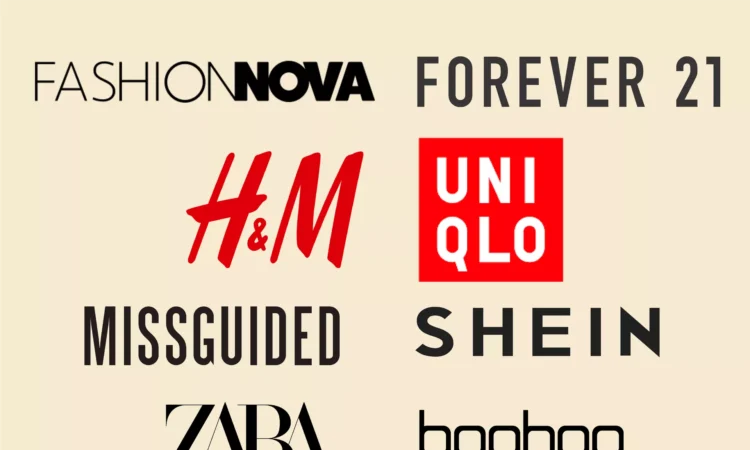
Fast fashion, characterized by rapid production and low-cost garments, has detrimental consequences for the environment and society.
Excessive Waste
Fast fashion generates an enormous amount of textile waste, contributing to overflowing landfills.
Pollution
The fashion industry is a significant contributor to water pollution due to dyeing processes and chemical treatments.
Exploitative Labor
Many fast fashion brands outsource production to countries with lax labor regulations, leading to exploitation of workers.
Leading Eco-Friendly Fashion Brands
Numerous brands have embraced sustainability and are setting an example for the industry.
Patagonia
Patagonia, known for its outdoor gear, leads in sustainability. They use recycled materials and donate a percentage of profits to environmental causes.
Eileen Fisher
Eileen Fisher focuses on organic materials and has implemented a take-back program, recycling old garments into new ones.
Stella McCartney
Stella McCartney is committed to cruelty-free and sustainable fashion. They avoid using leather and fur in their designs.
Reformation
Reformation designs stylish clothing using sustainable materials and environmentally friendly practices.
Making Eco-Friendly Choices
As consumers, we can contribute to the growth of eco-friendly fashion.
Conscious Shopping
Consider the environmental impact of your purchases. Choose quality over quantity and support brands with sustainable practices.
Clothing Care
Properly care for your garments to extend their lifespan. Washing clothes in cold water and air-drying reduces energy consumption.
Secondhand Shopping
Explore thrift stores and online secondhand platforms to give pre-loved clothing a new life.
Conclusion
Eco-friendly fashion brands are at the forefront of a sustainable revolution in the fashion industry. They demonstrate that style and sustainability can coexist. By supporting these brands and making conscious choices, we can play a crucial role in reducing the environmental impact of the fashion industry.
References: