
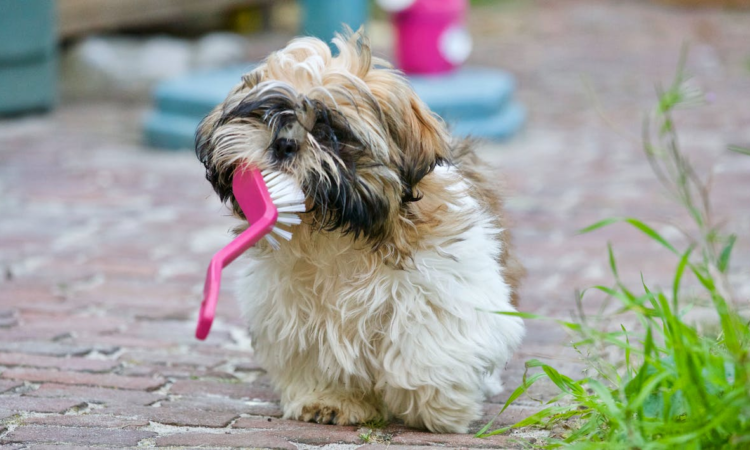
Who doesn’t love kisses from their furry buddies? Well, a study shows that people give their pets more kisses than their loved ones. But, when the kisses come with lousy breath, you get concerned as you avoid them.
So, what do you do?
The first ideal step is to understand why your pet has bad breath. This will help permanently treat the problem from the underlying cause.
When you consult a qualified vet dentist, you’ll learn that bad pet breath is not just about teeth problems. You may never guess several health issues could cause a foul mouth odor.
Whether it’s a recent or overdue issue, this article will help you identify the causes and provide treatment solutions. Read to the end.
Causes of Bad Breath in Pets
Persistent bad breath in your dog or cat can be from several health issues. Luckily, a bio dental appointment for your pet will identify and rule out possible causes like;
- Dental Issue
If you notice your pet’s gums are red and swollen, they are likely having problems with the gum. Usually, gum issues source from tartar buildup and can cause tooth decay or loss. That’s why plaque prevention is crucial in pets as much as it is in humans.
Extreme plaque leads to tartar buildup, which separates the gums from the teeth. The plaque bacteria then grow in the gaps, causing significant pain, redness, inflammation, and bad breath.
- Diabetes
Sometimes, the bad breath from your dog can be abnormally fruity and sweet. This strange breath is a vital sign of diabetes due to the accumulation of ketones in the bloodstream.
Another diabetic sign to check from your pet is frequent drinking of water and urinating.
- Liver Disease
When your pet’s livers fail to function correctly, there’s likely to be a foul smell from their mouth. Other symptoms associated with pet liver problems are loss of appetite, regular vomiting, and yellow-discolored gums.
Like diabetes and kidney problems, a liver disorder also indicates a serious health condition. Look out for possible symptoms before rushing to the vet.
- Poor Eating Habits
Pets, especially dogs, can be dirty. The filthy habits usually cause bad breath. When your dog frequents the junkyard or eats decayed animal remains regularly, it’s likely to develop foul breath from the unsupervised eating.
If you have a dog and a cat in the same house, you’ll notice your dog eating cat feces. This is not just disgusting, but it’s very unhealthy. Even worse, dogs can eat their feces, which causes a disorder called coprophagia.
Coprophagia causes bad poor breath in dogs.
Treatment and Prevention for Pet’s Bad Breath
After learning the different causes of your pet’s bad breath, finding treatment shouldn’t be hard. Here are some recommended treatment options.
If poor oral hygiene is causing your pet’s bad breath, visit your vet dentist for practical recommendations like buying SelenBio Dental products or going for teeth cleaning procedures. Such products are for fresh breath oral care for your pet with things like plaque spray for dogs and dental additives for cats.
If necessary, your vet dentist may need to extract decayed or loose teeth when cleaning. Veterinary dental equipment cleans pets’ mouths to remove bad breath and infection. The best part is that these treatment solutions are harmless due to anesthesia.
You can also ask your vet dentist to show you how to brush your pet’s teeth regularly without harming the gums. Diabetes and kidney and liver diseases are severe, and their symptoms shouldn’t be overlooked.
So, It would be best to book a prompt appointment with your veterinarian and get the pet checked through various examinations. Usually, the bad breath will go away after any of these conditions are remedied.
What does your dog eat? Limiting your dog from feeding on garbage wastes and feces will improve its general oral hygiene. It would help if you covered the garbage containers or restricted your dog from going to those areas.
Also, make a habit of feeding your pets healthy meals to avoid issues with eating anything they find. Preferably, dental treats are not just healthy but also help clean your pet’s teeth as they eat.
Always check the dental chews ingredients before buying any for your pet. Some can cause allergic reactions or stomach discomfort. Also, dental water additives for cats and dogs can help prevent bad breath after your pet feeds while also improving oral health.
Importance of Treating Bad Breath in Your Pet
It is essential to understand why you need to treat your pet’s bad breath and keep its mouth clean.
- Dental hygiene for dogs and cats maintains clean teeth and gums that will prevent dental pain and infections.
- Extreme poor oral hygiene can lead to severe infections reaching the jaw. When the jaw bones become infected, your pet’s teeth start falling out. You don’t want to get to this point.
- When your pet’s mouth is clean and healthy, rest assured its internal organs are also healthy. Poor dental hygiene can lead to infections that spread to the liver and kidney through the bloodstream. Fresh breath for cats is crucial for general health.
- Brushing and caring for your pet’s oral hygiene enables fresh breath. In most cases, the lousy breath-causing bacteria sources from improper dental care. Try brushing your pet’s teeth daily and scheduling regular vet dentist appointments.
Final Word
Bad breath is not always a result of health issues. Sometimes, it can be from your pet’s food, like canned tuna or smoked seafood.
Nonetheless, consistent or strange bad breath requires a vet’s attention. This way, identifying the source will be straightforward.
Your pet may require professional deep teeth cleaning or medication to treat an infection or severe health disorder. Please, don’t relax until you know what’s causing your pet’s bad breath to treat immediately.
FAQ
- Can you cure halitosis in pets?
Halitosis is bad breath, but it’s a symptom of underlying health problems. Though it’s treatable, halitosis can recur if the dental issues return.
- What should I first give my dog for awful breath?
Yogurt or probiotic supplements react fast to a dog’s bad breath because of the active bacteria that kills odor-causing bacteria found in the mouth. Talk to your vet dentist for ideal recommendations.
- What bacteria cause bad breath in dogs?
The gram-negative bacteria cause periodontal diseases. These bacteria form sulfur compounds that lead to bad breath in dogs, cats, and even people.


