
The growing concern over plastic pollution and environmental sustainability has encouraged industries to adopt eco-friendly materials in manufacturing and product development. Traditional petroleum-based synthetic fabrics contribute significantly to long-term waste accumulation, prompting the search for renewable and biodegradable alternatives.
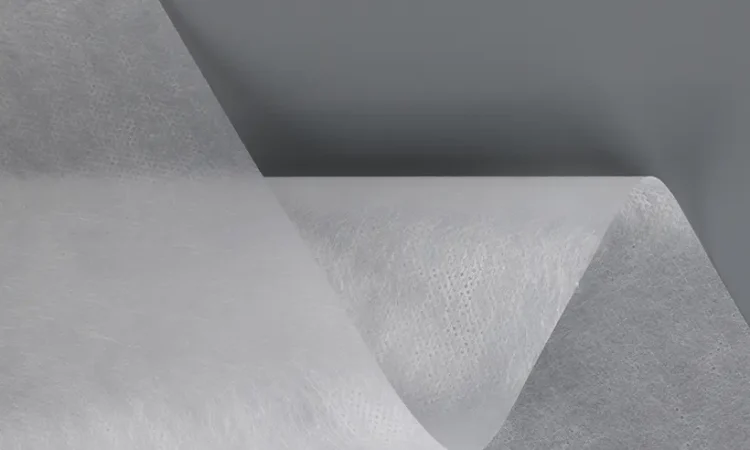
Among the most promising sustainable materials is PLA Nonwoven Fabric, which is produced from plant-based resources and designed to offer reduced environmental impact. Its biodegradability, renewable origin, and versatile applications make it increasingly valuable in industries such as healthcare, packaging, agriculture, and textiles.
What Is PLA Nonwoven Fabric?
PLA stands for polylactic acid, a biodegradable polymer derived from renewable agricultural materials such as corn starch, sugarcane, and cassava. Through fermentation and polymerization processes, these plant sugars are converted into fibers that can be used to manufacture nonwoven fabrics.
Nonwoven fabrics are engineered materials formed by bonding fibers together mechanically, thermally, or chemically instead of weaving or knitting them. PLA fibers can be processed using standard nonwoven manufacturing technologies, including spunbond and meltblown systems.
The combination of functionality and sustainability has made PLA nonwoven materials an attractive alternative to conventional synthetic fabrics.
Environmental Challenges of Traditional Nonwoven Materials
Conventional nonwoven fabrics are commonly made from petroleum-based polymers such as polypropylene and polyester. While these materials offer durability and low production costs, they also create several environmental concerns.
Long-Term Plastic Waste
Traditional synthetic nonwoven materials are not easily biodegradable. Many disposable products made from these materials remain in landfills for decades or even centuries after disposal.
Dependence on Fossil Fuels
Petroleum-based fabrics rely heavily on non-renewable fossil resources. The extraction and processing of these materials contribute to greenhouse gas emissions and environmental degradation.
Growing Waste Management Problems
Industries such as healthcare and packaging generate large amounts of disposable nonwoven waste every day. Managing this waste has become a significant environmental challenge worldwide.
Biodegradability of PLA Nonwoven Fabric
One of the most important advantages of PLA nonwoven fabric is its biodegradability under industrial composting conditions.
How PLA Biodegrades
PLA materials break down through microbial activity when exposed to controlled temperature, humidity, and oxygen conditions commonly found in industrial composting facilities. During decomposition, PLA converts into natural substances such as:
- Water
- Carbon dioxide
- Organic biomass
This process significantly reduces long-term environmental pollution compared to conventional synthetic plastics.
Industrial Composting Conditions
Although PLA is biodegradable, it generally requires industrial composting systems for efficient decomposition. These facilities provide the controlled heat and moisture necessary to accelerate the breakdown process.
In natural environments or standard landfills, decomposition may occur more slowly due to less favorable conditions.
Reduction of Persistent Waste
The biodegradable nature of PLA helps reduce the accumulation of long-lasting synthetic waste in landfills and ecosystems. This makes PLA-based materials increasingly attractive for disposable applications.
Renewable Raw Materials and Sustainability
Another major environmental advantage of PLA nonwoven fabric is its renewable source material.
Plant-Based Production
PLA fibers are produced from agricultural crops rather than fossil fuels. Renewable feedstocks commonly used in PLA production include:
- Corn starch
- Sugarcane
- Cassava
- Beet sugar
Because these plants can be regrown annually, PLA supports more sustainable resource management.
Lower Dependence on Petroleum
By replacing petroleum-based polymers with plant-derived alternatives, PLA manufacturing helps reduce reliance on finite fossil fuel resources.
This transition supports broader sustainability goals within manufacturing industries worldwide.
Reduced Carbon Footprint
The production of PLA nonwoven materials can contribute to lower greenhouse gas emissions compared to traditional synthetic fabrics.
Carbon Absorption During Crop Growth
Plants used for PLA production absorb carbon dioxide from the atmosphere during photosynthesis. This partially offsets emissions generated during manufacturing and processing.
Energy Efficiency Improvements
Advancements in PLA production technologies are helping manufacturers improve energy efficiency and reduce overall environmental impact.
As renewable energy adoption increases globally, the sustainability profile of PLA production is expected to improve further.
Applications Supporting Environmental Goals
The environmental benefits of PLA nonwoven fabric have encouraged its adoption in industries seeking sustainable alternatives.
Medical and Hygiene Products
Disposable medical items such as masks, gowns, and wipes can generate significant plastic waste. PLA nonwoven materials provide a more environmentally responsible option for these products.
Sustainable Packaging
PLA nonwoven fabrics are increasingly used in eco-friendly packaging applications, including shopping bags and compostable packaging layers.
Agriculture
Biodegradable agricultural covers and mulch fabrics made from PLA help reduce waste accumulation in farming operations while supporting soil management practices.
Challenges and Considerations
Despite its environmental advantages, PLA nonwoven fabric still faces some limitations.
Composting Infrastructure
Industrial composting facilities are not yet widely available in all regions, which can limit effective disposal options for PLA products.
Agricultural Resource Use
Large-scale PLA production may require significant agricultural resources, including land and water. Sustainable farming practices are important to ensure long-term environmental balance.
Cost Factors
PLA materials can sometimes be more expensive than conventional synthetic alternatives, although ongoing technological improvements are helping reduce production costs.
Future Outlook for Sustainable Materials
As environmental regulations become stricter and consumer demand for sustainable products increases, biodegradable materials like PLA are expected to play a larger role in industrial manufacturing.
Research continues to improve the performance, durability, and compostability of PLA fibers, expanding their applications across multiple sectors. Many industries are also investing in circular economy strategies that prioritize renewable materials and waste reduction.
Conclusion
PLA nonwoven fabric offers significant environmental benefits through its renewable origin, biodegradability, and reduced dependence on fossil fuels. Compared to traditional petroleum-based nonwoven materials, PLA provides a more sustainable option for industries seeking to minimize environmental impact.
From medical products to packaging and agriculture, PLA nonwoven fabric is helping support the global transition toward greener manufacturing and responsible resource management.


