
Choosing the right material is one of the most important decisions in additive manufacturing. The performance of a printed object depends heavily on the filament used, affecting strength, flexibility, surface quality, and overall usability. With a wide range of materials available, selecting the best option requires understanding how each filament behaves under different conditions.
From beginner-friendly options to advanced engineering materials, each type of filament serves a specific purpose. Whether the goal is visual detail, mechanical strength, or flexible performance, the right choice can significantly improve print success and durability.
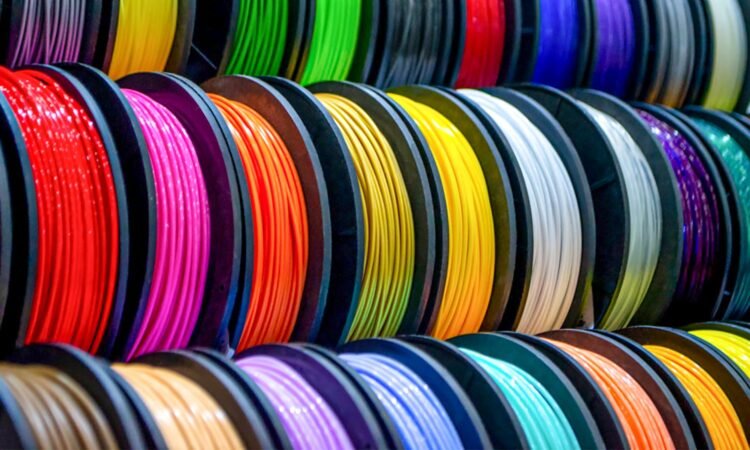
A commonly used material category in modern additive manufacturing is 3D printing filament, which includes multiple polymer types designed for different applications such as PLA, ABS, PETG, TPU, and Nylon. Each material offers a unique balance of properties, making it essential to match filament selection with project requirements.
PLA: Best for Detail and Ease of Use
PLA (Polylactic Acid) is widely considered the most user-friendly filament. It is ideal for beginners due to its low printing temperature and minimal warping issues.
Key benefits of PLA:
- Excellent surface detail and smooth finish
- Easy printing with minimal setup
- Low warping and strong bed adhesion
- Environmentally friendly composition
PLA is best suited for decorative models, prototypes, and educational projects where appearance matters more than mechanical strength. However, it has limited heat resistance and can become brittle under stress.
ABS: Best for Strength and Heat Resistance
ABS (Acrylonitrile Butadiene Styrene) is a durable engineering-grade filament known for its toughness and thermal resistance. It is commonly used in industrial applications and functional parts.
Key benefits of ABS:
- High impact resistance and durability
- Better heat resistance than PLA
- Suitable for mechanical components
- Can be post-processed for smoother finishes
ABS is ideal for automotive parts, enclosures, and tools. However, it requires a heated bed and proper ventilation due to warping and fumes during printing.
PETG: Best Balance of Strength and Flexibility
PETG is a popular middle-ground material that combines the ease of PLA with the durability of ABS. It has become one of the most widely used filaments for functional parts.
Key benefits of PETG:
- Strong yet slightly flexible structure
- Good chemical and moisture resistance
- Easier to print than ABS
- Excellent layer adhesion
PETG is ideal for mechanical parts, protective components, and outdoor applications. It offers a reliable balance of strength and usability, making it suitable for both beginners and professionals.
TPU: Best for Flexibility
TPU (Thermoplastic Polyurethane) is a flexible filament designed for applications requiring elasticity and shock absorption. It behaves more like rubber than rigid plastic.
Key benefits of TPU:
- High flexibility and elasticity
- Excellent impact resistance
- Durable under repeated bending
- Suitable for wearable and protective items
TPU is commonly used for phone cases, seals, gaskets, and wearable accessories. However, it requires slower print speeds and careful calibration due to its flexible nature.
Nylon: Best for Engineering Applications
Nylon is a high-performance filament known for its strength, wear resistance, and durability. It is widely used in industrial and mechanical applications.
Key benefits of Nylon:
- Extremely strong and abrasion-resistant
- Flexible yet tough under stress
- Ideal for gears and functional parts
- Long-lasting mechanical performance
Nylon is suitable for demanding applications but requires controlled printing conditions and moisture protection, as it absorbs water from the air.
How to Choose the Right Filament
Selecting the best filament depends on the specific requirements of your project. Instead of focusing on a single “best” option, it is more effective to match material properties with intended use.
Consider the following factors:
- Required strength and durability
- Flexibility or rigidity needs
- Exposure to heat or chemicals
- Level of printing experience
- Desired surface finish and detail
For example, PLA is ideal for detailed prototypes, ABS for strong functional parts, PETG for balanced performance, TPU for flexibility, and Nylon for industrial-grade strength.
Conclusion
The best 3D printing filament depends entirely on the application and performance requirements. Each material offers distinct advantages, from PLA’s ease of use to Nylon’s industrial strength. PETG provides a balanced solution, while TPU introduces flexibility for specialized designs.
By understanding the strengths and limitations of each filament type, users can make more informed decisions and achieve higher-quality results in their 3D printing projects. As material technology continues to evolve, the possibilities for innovation in additive manufacturing will continue to expand.


