
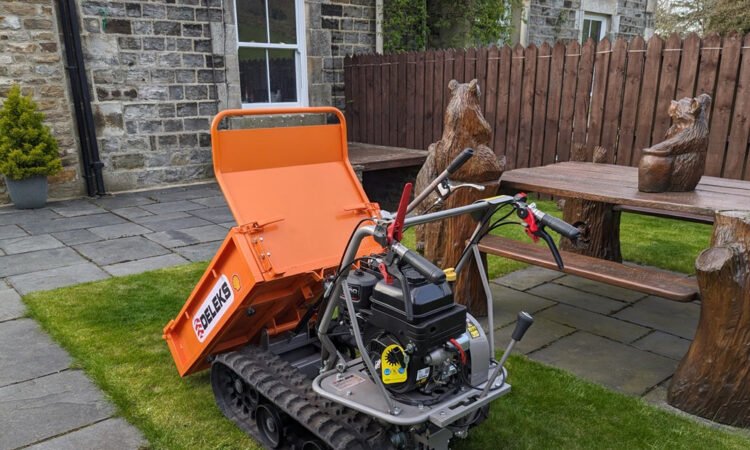
Safety is a critical factor in any construction environment, especially when using compact heavy-duty machinery. Equipment designed for material transport must balance performance with operator protection, particularly on uneven terrain and confined job sites. Proper understanding of safety systems and operating procedures helps reduce accidents and improves overall efficiency.
A mini crawler dumper is widely used in construction and landscaping projects due to its ability to transport heavy loads across rough ground. However, like all powered machinery, it requires careful handling and awareness of built-in safety features to ensure safe and efficient operation.
Built-In Safety Features of Mini Crawler Dumpers
Modern crawler dumpers are designed with several safety mechanisms that help protect both the operator and the machine during use. These features are especially important when working on slopes, muddy surfaces, or narrow pathways.
Key safety features typically include:
- Stable tracked undercarriage: Provides better balance and reduces the risk of tipping on uneven ground.
- Low center of gravity design: Enhances stability when carrying heavy loads.
- Emergency stop controls: Allows operators to quickly shut down the machine in case of danger.
- Protected operator zone: Shields the operator from moving parts and external hazards.
- Controlled hydraulic dumping system: Ensures smooth and safe unloading of materials.
These built-in systems significantly reduce operational risks when the machine is used correctly.
Importance of Proper Operator Training
Even with advanced safety features, proper training is essential for safe operation. Operators must understand how to control the machine, interpret site conditions, and respond to potential hazards.
Training should cover:
- Basic machine controls and functions
- Safe loading and unloading procedures
- Operation on slopes and uneven surfaces
- Emergency shutdown procedures
- Routine inspection and maintenance awareness
Well-trained operators are less likely to make mistakes that could lead to accidents or equipment damage.
Safe Operating Guidelines on Construction Sites
Following standard operating practices helps ensure safe and efficient use of equipment. Construction environments can change quickly, so operators must remain alert at all times.
Important guidelines include:
- Always inspect the machine before starting work
- Avoid overloading beyond recommended capacity
- Operate at controlled speeds, especially on rough terrain
- Keep a safe distance from edges, trenches, and unstable ground
- Ensure the load is evenly distributed before movement
These practices help maintain stability and reduce the risk of tipping or mechanical failure.
Role of the Mini Crawler Dumper in Safe Material Handling
A mini crawler dumper is specifically designed to improve safety in material transportation tasks. By replacing manual handling methods, it reduces physical strain on workers and minimizes the risk of injury.
For example, moving heavy soil, gravel, or construction debris manually can lead to accidents or long-term health issues. Using mechanized transport equipment helps streamline these tasks while maintaining a safer working environment.
More detailed product insights and specifications can be explored here: mini crawler dumper.
Operating on Slopes and Uneven Terrain
One of the most challenging aspects of construction work is operating on unstable or sloped ground. Crawler dumpers are designed to handle such conditions, but proper technique is still required.
Safety tips for slope operation include:
- Always move straight up or down slopes, not diagonally
- Avoid sudden acceleration or braking
- Keep loads low and stable during movement
- Assess ground conditions before starting work
The tracked design helps distribute weight evenly, but operator awareness remains essential for preventing accidents.
Regular Safety Checks and Maintenance
Routine inspection plays a major role in maintaining safe operation. A well-maintained machine is less likely to experience unexpected failures that could lead to hazards.
Daily safety checks should include:
- Track condition and tension
- Hydraulic system leaks or damage
- Brake and control responsiveness
- Engine performance and fluid levels
Addressing small issues early helps prevent larger mechanical problems and improves overall safety.
Conclusion
Safety in construction equipment operation depends on both machine design and responsible usage. The mini crawler dumper offers strong built-in safety features that support stable and efficient material handling, but proper training and operating discipline remain essential.
By following established safety guidelines, performing regular inspections, and understanding terrain conditions, operators can significantly reduce risks on the job site. This ensures not only smoother project execution but also a safer working environment for everyone involved.


