
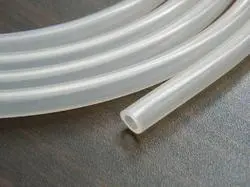
Introduction to Medical Silicone Tubing in Healthcare
Safety and sterility are among the most critical priorities in modern medical procedures. Hospitals, clinics, and laboratories must use materials that prevent contamination while ensuring reliable performance during treatment and diagnostic processes. Medical silicone tubing has become an essential component in many healthcare systems because it supports safe fluid transfer and maintains hygienic conditions in medical environments.
Healthcare professionals and device manufacturers carefully select tubing materials that meet strict standards for cleanliness, durability, and compatibility with the human body. In many clinical applications, professionals rely on high-quality Medical Silicone Tubing to help maintain sterile conditions while delivering fluids, medications, or gases. Its ability to perform consistently under demanding conditions makes it a trusted material in various medical procedures.
Biocompatibility and Reduced Risk of Contamination
One of the most important ways medical silicone tubing improves safety is through its biocompatibility. Biocompatible materials can interact with the human body without causing harmful reactions, irritation, or toxicity. Silicone is naturally inert, meaning it does not easily react with bodily fluids or medications. This property reduces the risk of contamination during procedures such as intravenous therapy, dialysis, and surgical drainage.
Because silicone tubing does not release harmful substances, it is considered safe for both short-term and long-term medical use. Patients receiving treatments that involve continuous fluid transfer benefit from materials that minimize health risks. By maintaining chemical stability, silicone tubing helps ensure that medications and fluids remain pure throughout the procedure.
Additionally, the smooth inner surface of silicone tubing helps prevent the buildup of residues that could harbor bacteria or interfere with fluid flow. This contributes to a cleaner and safer medical environment.
Resistance to Repeated Sterilization Processes
Sterility in healthcare environments depends heavily on proper cleaning and sterilization of medical equipment. Medical silicone tubing is designed to withstand multiple sterilization methods without losing its effectiveness or structure. This ability plays a key role in maintaining safety during repeated medical procedures.
Silicone tubing can tolerate high temperatures, which allows it to be sterilized using autoclaves and steam-based processes. It also performs well when exposed to other sterilization methods such as gamma radiation and chemical disinfectants. Many other materials may degrade or become brittle after repeated sterilization cycles, but silicone maintains its flexibility and durability.
This resistance helps hospitals maintain consistent hygiene standards. Equipment that can be sterilized multiple times reduces the risk of cross-contamination and ensures that medical devices remain safe for patient use.
Maintaining Clean and Controlled Fluid Transfer
Accurate and contamination-free fluid transfer is essential in many medical procedures. Silicone tubing plays a crucial role in systems that deliver medications, blood products, oxygen, and other vital fluids. Because the material is non-reactive, it helps maintain the integrity of substances moving through it.
In procedures such as intravenous therapy or infusion treatments, precise delivery is necessary for patient safety. Silicone tubing helps maintain a steady flow while preventing leaks or blockages. Its flexibility also allows it to connect securely with medical equipment, ensuring that fluids reach the patient safely.
In addition, the transparency of many silicone tubing types allows healthcare professionals to monitor fluid movement during procedures. This visibility helps identify potential issues, such as air bubbles or irregular flow, before they become serious problems.
Durability and Reliability in Medical Environments
Medical procedures often require equipment that operates continuously and reliably under challenging conditions. Silicone tubing is known for its durability, which contributes to safer medical operations. It can resist cracking, tearing, and degradation even when exposed to frequent handling and environmental changes.
This reliability is particularly important in critical care units, surgical settings, and long-term treatment systems. When tubing maintains its structural integrity, the risk of equipment failure is significantly reduced. This helps healthcare providers focus on patient care rather than worrying about equipment performance.
Another advantage is silicone’s resistance to environmental factors such as UV exposure, ozone, and certain chemicals. These properties help ensure that tubing remains stable in a variety of healthcare settings, from operating rooms to laboratories.
Compliance with Medical Standards and Regulations
Medical silicone tubing must meet strict industry regulations designed to protect patient safety and ensure product quality. Manufacturers follow international standards that evaluate materials for biocompatibility, chemical stability, and performance in medical applications. These standards help verify that the tubing is suitable for use in healthcare procedures.
Regulatory guidelines often require extensive testing to confirm that the tubing does not cause adverse reactions and can maintain sterility during use. Compliance with recognized standards also provides healthcare institutions with confidence in the materials they use daily.
By meeting these requirements, medical silicone tubing becomes a reliable choice for hospitals, research facilities, and medical device manufacturers. These standards play a vital role in ensuring that the tubing contributes to safe and sterile medical practices.
The Role of Silicone Tubing in Advancing Safe Medical Procedures
As healthcare technology continues to advance, the importance of safe and sterile materials becomes even greater. Medical silicone tubing supports modern medical procedures by providing a dependable solution for fluid transfer, respiratory systems, and diagnostic equipment. Its ability to maintain sterility, resist contamination, and endure repeated sterilization makes it a valuable component in many medical systems.
The combination of biocompatibility, durability, and compliance with strict standards ensures that silicone tubing will remain a critical part of healthcare infrastructure. By improving safety and sterility, it helps healthcare professionals deliver better outcomes for patients while maintaining high levels of hygiene and reliability in medical environments.


