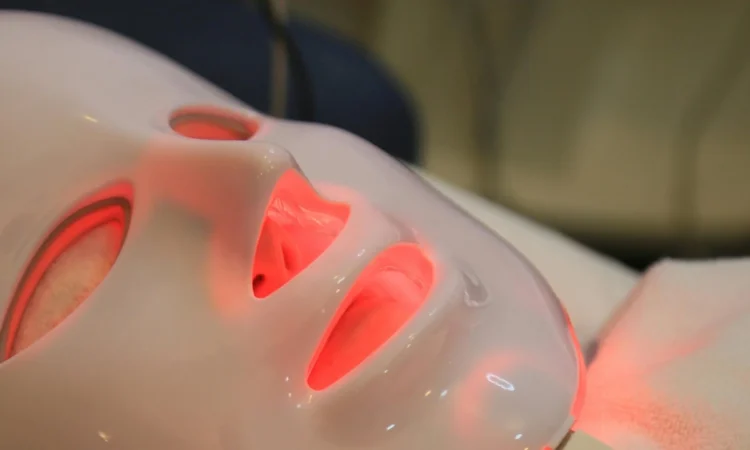
LED face masks have become an essential part of modern skincare, offering treatments that target acne, wrinkles, and skin rejuvenation using red, blue, and near-infrared light therapy. With the rising popularity of these devices, ensuring high-quality production and safety standards has become critical. Leading suppliers implement rigorous quality control processes to guarantee the efficacy, safety, and durability of their products. Understanding these standards helps consumers make informed decisions when selecting a reliable device.
A reputable LED Face Mask Supplier prioritizes quality at every stage of production, from component sourcing to final testing. High-quality suppliers follow strict manufacturing protocols that comply with international safety standards and regulations. This ensures that the masks deliver consistent light intensity, maintain structural integrity, and are safe for repeated use. For consumers, choosing a product from a certified supplier reduces the risk of malfunction, skin irritation, or suboptimal results.
Component Sourcing and Material Standards
The first step in quality control is sourcing high-grade components and materials. Leading suppliers carefully select LEDs, circuits, and mask materials to ensure long-term durability and consistent performance. LEDs must meet precise wavelength specifications to provide the desired skin benefits. For example, red light LEDs need to emit wavelengths between 620 and 750 nanometers for optimal collagen stimulation, while blue light LEDs should operate between 405 and 470 nanometers for effective acne treatment.
In addition to the LEDs, materials used for the mask body, straps, and cushioning are tested for durability, comfort, and hypoallergenic properties. Suppliers prioritize non-toxic, skin-safe materials to minimize irritation and ensure that the mask can be used for regular sessions without discomfort. Components are typically sourced from certified manufacturers to guarantee compliance with international quality standards.
Assembly and Manufacturing Controls
Once components are sourced, the assembly process is closely monitored under strict quality control protocols. Leading suppliers implement automated and manual inspection checkpoints throughout production. This includes testing electrical connections, light distribution, and structural stability. Each mask is assembled under controlled environmental conditions to avoid contamination or component damage.
Manufacturing facilities often follow ISO (International Organization for Standardization) standards, which provide a framework for quality management systems. Adherence to these standards ensures consistent production quality, reduces defects, and maintains high safety levels. Suppliers also conduct random batch testing to detect any irregularities in LEDs, circuits, or power units before the products are released to the market.
Performance and Safety Testing
Performance testing is a critical part of quality control. Each LED face mask is evaluated for light intensity, wavelength accuracy, and uniformity across the mask surface. This ensures that users receive the intended therapeutic benefits during treatment sessions. Masks are also tested for electrical safety, including short-circuit prevention, overheating protection, and resistance to power fluctuations.
Suppliers often carry out endurance testing to simulate long-term usage, which helps identify potential wear or component failures. Skin safety is another important consideration, with materials undergoing dermatological testing to confirm they are non-irritating and safe for different skin types. Such rigorous testing protocols guarantee that the product delivers reliable results without compromising user safety.
Compliance and Certifications
Leading LED face mask suppliers comply with international safety and quality certifications, such as CE, RoHS, and FCC. CE certification ensures conformity with European safety standards, while RoHS confirms that materials are free from harmful substances. FCC compliance verifies that electronic devices meet electromagnetic interference standards, ensuring safe operation in households and clinics.
Certified suppliers also provide detailed user manuals and safety guidelines to educate consumers on proper usage, maintenance, and storage. Compliance with these regulations reflects the supplier’s commitment to quality and consumer safety.
Post-Production Quality Checks
Even after manufacturing, quality control continues through post-production inspections. Masks undergo final visual and functional checks to identify cosmetic defects, LED malfunctions, or assembly issues. Many suppliers also implement batch tracking and serial numbering to maintain accountability and traceability in case of recalls or service needs.
Customer feedback plays an essential role in post-production quality assurance. Leading suppliers actively monitor user experiences to identify recurring issues or potential improvements. This feedback loop allows for continuous enhancement of product design, functionality, and safety standards.
Conclusion
Quality control is a cornerstone of reliability and performance for LED face masks. From sourcing high-grade components to rigorous assembly, performance testing, and regulatory compliance, leading suppliers ensure that each device meets the highest standards. Choosing a reputable LED Face Mask Supplier guarantees a safe, effective, and durable product that delivers consistent skincare results.
Investing in a mask from a supplier committed to quality not only protects your skin but also ensures long-term value and optimal performance. With strict adherence to manufacturing and safety protocols, consumers can confidently incorporate LED light therapy into their skincare routines, enjoying professional-level benefits from the comfort of home.