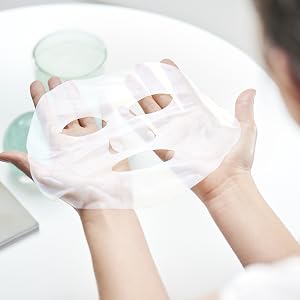
Quality testing is a critical part of facial sheet mask production. Consumers expect skincare products to be safe, effective, and consistent with every purchase. To meet these expectations, manufacturers implement strict testing procedures throughout the production process. These measures help ensure that every sheet mask performs as intended while complying with industry regulations.
For skincare brands, partnering with an experienced facial sheet mask manufacturer means working with a company that prioritizes product safety, quality assurance, and consistent manufacturing standards from formulation to final packaging.
Why Quality Testing Matters
Quality testing protects both consumers and brands. It helps identify potential issues before products reach the market, reducing the risk of defects, recalls, or customer complaints.
A comprehensive testing process also ensures that every batch delivers the same level of performance, helping brands build customer trust and maintain a strong reputation.
Raw Material Inspection
Quality control begins before manufacturing starts. Every ingredient and sheet material is carefully inspected to verify that it meets established quality standards.
Manufacturers typically evaluate:
- Ingredient purity
- Supplier certifications
- Material consistency
- Product safety documentation
- Compliance with cosmetic regulations
Using verified raw materials creates a solid foundation for producing reliable skincare products.
Formula Stability Testing
A facial sheet mask should remain effective throughout its shelf life. Stability testing helps determine whether the formula maintains its quality under different storage conditions.
During stability testing, manufacturers assess:
- Product appearance
- Color consistency
- Texture
- Fragrance stability
- Ingredient performance over time
These evaluations help ensure customers receive products that perform as expected until their expiration date.
Microbiological Testing
Microbiological testing is essential for ensuring facial sheet masks are free from harmful microorganisms that could affect product safety.
Laboratory testing checks for contamination caused by bacteria, yeast, or mold. Products that do not meet microbiological standards are rejected before they reach the packaging stage.
pH Level Verification
The pH level of a facial sheet mask plays an important role in skin compatibility. Products with an unsuitable pH may cause irritation or reduce ingredient effectiveness.
Manufacturers regularly test pH levels to ensure the formula remains within an appropriate range for safe skincare use.
Serum Consistency Checks
Each facial sheet mask should contain the correct amount of serum with consistent texture and ingredient distribution.
Quality control teams monitor:
- Serum viscosity
- Ingredient blending
- Filling accuracy
- Uniform saturation of the sheet mask
These checks help deliver a consistent experience for every customer.
Sheet Material Evaluation
The sheet material itself contributes significantly to product performance.
Manufacturers inspect materials for:
- Thickness
- Absorption capacity
- Strength
- Comfort
- Compatibility with the serum
Selecting and testing high-quality sheet materials helps maximize the effectiveness of the finished product.
Packaging Inspection
Proper packaging protects facial sheet masks from contamination and preserves product quality during storage and transportation.
Packaging inspections typically include:
- Seal integrity
- Label accuracy
- Printing quality
- Batch number verification
- Expiration date confirmation
These checks help ensure products arrive in excellent condition.
Batch-to-Batch Consistency
Consistency is one of the most important indicators of manufacturing quality. Consumers expect every purchase to provide the same results.
Manufacturers use standardized production methods and quality testing procedures to verify that every production batch meets the same specifications.
Regulatory Compliance Testing
Facial sheet masks must comply with cosmetic regulations in the countries where they are sold.
Quality testing supports compliance by verifying:
- Ingredient safety
- Product documentation
- Label accuracy
- Manufacturing records
- Product traceability
Meeting regulatory requirements helps brands enter new markets with confidence.
Continuous Quality Improvement
Modern manufacturers continuously review their testing procedures to improve product quality and manufacturing efficiency.
This may involve:
- Updating testing methods
- Reviewing customer feedback
- Improving production processes
- Introducing new laboratory technologies
- Strengthening quality management systems
Continuous improvement allows manufacturers to maintain high standards while adapting to industry advancements.
Conclusion
Quality testing is an essential part of facial sheet mask manufacturing. From inspecting raw materials and verifying formula stability to microbiological testing, packaging inspections, and regulatory compliance, every step contributes to creating safe, effective, and reliable skincare products.
By choosing a trusted facial sheet mask manufacturer that follows comprehensive quality testing procedures, skincare brands can confidently deliver products that meet customer expectations, strengthen brand credibility, and achieve long-term success in the competitive beauty industry.