
Sleep is essential for a healthy life, yet millions of people suffer from a condition that disrupts their rest without them even realizing it—sleep apnea. This common but serious disorder causes repeated interruptions in breathing during sleep. Left untreated, it can lead to a variety of health issues including high blood pressure, heart disease, stroke, and daytime fatigue. Fortunately, modern medicine offers effective solutions. One of the most common and reliable treatments is the use of sleep apnea machines, particularly Continuous Positive Airway Pressure (CPAP) devices. But before you can begin treatment, there’s a journey that starts with diagnosis and leads to management—and understanding this process is key for any patient.
Recognizing the Signs and Getting Diagnosed
Many people with sleep apnea go undiagnosed because the symptoms occur during sleep. Often, it’s a bed partner who notices the red flags—loud snoring, choking, gasping, or pauses in breathing during the night. If you often wake up feeling tired despite a full night’s sleep, suffer from frequent morning 睡眠呼吸機 headaches, or struggle with concentration and mood swings, it may be time to speak with your doctor.
Diagnosis typically begins with a referral to a sleep specialist. The most common diagnostic tool is a sleep study, also called a polysomnography. This test is either done overnight at a sleep clinic or, in some cases, at home with portable equipment. It records various body functions like brain activity, eye movement, oxygen levels, heart rate, and breathing patterns. The data collected allows specialists to determine whether you have sleep apnea, how severe it is, and what type—obstructive, central, or complex sleep apnea syndrome.
Understanding Sleep Apnea Machines
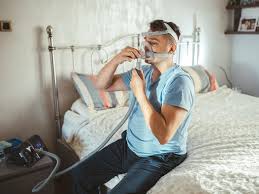
Once diagnosed, many patients are prescribed a sleep apnea machine—most commonly a CPAP (Continuous Positive Airway Pressure) machine. The CPAP is considered the gold standard treatment for obstructive sleep apnea. It works by delivering a steady stream of air through a mask, keeping your airways open while you sleep. This prevents pauses in breathing and reduces snoring, helping patients achieve deeper, more restorative sleep.
There are also variations of the CPAP machine depending on individual needs. BiPAP (Bilevel Positive Airway Pressure) machines provide two pressure settings—one for inhalation and another for exhalation—which can be more comfortable for some users. APAP (Automatic Positive Airway Pressure) machines adjust the pressure throughout the night based on your breathing patterns. Your doctor or sleep therapist will help determine which machine suits your needs based on your sleep study results and personal comfort.
What to Expect When You Start Treatment
Starting CPAP therapy can feel overwhelming at first. Many patients report feeling uncomfortable with the mask or irritated by the constant airflow. It’s important to remember that adjusting to the machine takes time, and there are various styles of masks and settings that can be fine-tuned for your comfort. Some masks cover just the nose, while others cover both the nose and mouth. A sleep technician can help you find the right fit.
The first few nights might be challenging, but consistency is critical. CPAP therapy only works when used regularly, so even if it feels awkward initially, don’t give up too quickly. Over time, most patients notice dramatic improvements in energy, focus, and overall well-being. You might even find that conditions like high blood pressure improve once your sleep quality is restored.
Maintenance and Long-Term Management
Using a sleep apnea machine is not a one-time fix—it requires regular maintenance and monitoring. Your machine’s filter and water chamber (if using a humidifier) need to be cleaned frequently to prevent mold and bacteria buildup. Masks and hoses should be replaced every few months as they wear out or become less effective.
It’s also crucial to follow up with your sleep doctor periodically. They may suggest repeating a sleep study or adjusting the pressure settings based on how you’re feeling or how your condition progresses. Some newer machines even come with apps or memory cards that record data from your sleep sessions, helping doctors fine-tune your treatment.
Overcoming Common Challenges
Despite its effectiveness, CPAP therapy isn’t always easy. Some people experience nasal congestion, dry mouth, or mask discomfort. These issues can often be resolved with small adjustments—adding a heated humidifier, switching mask styles, or using nasal sprays. Emotional resistance is also common. Some patients feel embarrassed to use the machine, especially in relationships. However, open communication and understanding that sleep apnea is a medical condition can help reduce the stigma.
Traveling with a CPAP machine is another concern. Fortunately, most modern machines are lightweight and come with travel cases. They are allowed on airplanes and can be used with battery packs or portable power sources. Being consistent with therapy, even while traveling, ensures you don’t regress in your progress.
The Bottom Line
Being diagnosed with sleep apnea can be overwhelming at first, but it’s a turning point toward better health. CPAP and other sleep apnea machines are proven tools that, when used properly, can drastically improve sleep quality, energy levels, and long-term health outcomes. The key is education, patience, and support. By understanding the process from diagnosis to treatment, patients are better equipped to manage their condition and reclaim the rest they deserve.


