
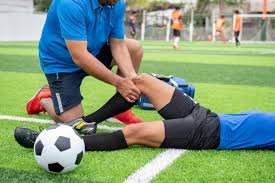
Soccer is a physically demanding sport that tests players’ endurance, agility, and strength. However, the most vulnerable body part in soccer often takes the brunt of intense gameplay. While various injuries can occur during matches, some areas of the body are more susceptible to harm due to the nature of the game. Understanding this vulnerability is key to injury prevention and performance improvement.
The Importance of Protecting Vulnerable Areas
In soccer, the most vulnerable body part in soccer is subject to repeated strain and impact, making it prone to injuries. This sport requires constant running, quick directional changes, tackling, and sudden stops. These dynamic movements place stress on players’ lower extremities, particularly the knees and ankles.
The knees are often regarded as the most critical yet fragile joints in soccer. Players rely on their knees for running, jumping, and striking the ball. However, these movements also increase the risk of injuries such as ligament tears, sprains, and strains. The anterior cruciate ligament (ACL), for example, is a common site of damage, often sidelining players for months.
Why Knees Are the Most Vulnerable Body Part in Soccer
The knees are the most vulnerable body part in soccer due to their complex structure and constant involvement in gameplay. The joint is supported by various ligaments and tendons, which can be easily overstressed or injured during high-intensity matches. Common causes of knee injuries include:
- Sudden changes in direction: Quick turns can lead to twisting injuries.
- High-impact tackles: Collisions with opponents often target the legs and knees.
- Overuse: Repeated running and kicking lead to wear and tear on cartilage and ligaments.
These factors contribute to the knees’ vulnerability, making them a focal point for injury prevention strategies.
Ankles: Another Common Target of Injuries
While the knees are a prime concern, the ankles also rank high on the list of the most vulnerable body parts in soccer. This joint is integral for maintaining balance, sprinting, and maneuvering the ball. Unfortunately, the frequent twisting and turning involved in soccer expose the ankles to sprains and fractures.
Ankle sprains occur when the ligaments are stretched beyond their capacity, typically from rolling or twisting the joint. Soccer players are particularly at risk when landing awkwardly after a jump or when stepping on another player’s foot. These injuries can lead to long recovery periods if not properly managed.
Head Injuries: The Hidden Threat in Soccer
Although less frequent than knee and ankle injuries, head injuries are another concern for players. The most vulnerable body part in soccer can also include the head, particularly during aerial duels. Heading the ball or accidental collisions often lead to concussions or other traumatic brain injuries.
Soccer organizations worldwide have emphasized safety protocols to reduce head injury risks. Proper technique, protective equipment, and awareness can minimize these dangers while preserving the integrity of the sport.
Preventing Injuries in Soccer
To protect the most vulnerable body part in soccer, players must prioritize injury prevention. Several strategies can help reduce the risk of harm:
- Warm-Up Exercises: A thorough warm-up improves flexibility and prepares the body for intense activity.
- Strength Training: Building muscle around the knees and ankles can enhance stability.
- Proper Technique: Learning the correct way to kick, tackle, and land can prevent strain.
- Protective Gear: Shin guards and ankle braces offer additional protection.
- Rest and Recovery: Allowing time for rest prevents overuse injuries and promotes healing.
Treatment and Recovery
Despite preventive measures, injuries to the most vulnerable body part in soccer can still occur. Early diagnosis and treatment are critical for a successful recovery. Players should seek medical attention for persistent pain, swelling, or instability in their knees or ankles.
Common treatment options include:
- Physical therapy: Restores strength and mobility.
- Surgery: For severe ligament or cartilage damage.
- Rehabilitation programs: Gradual reintroduction to soccer activities to prevent re-injury.
Proper recovery ensures that players can return to the field stronger and more resilient.
Conclusion
The most vulnerable body part in soccer is a key consideration for athletes, coaches, and medical professionals. Understanding the risks and implementing preventive strategies can significantly reduce injury rates while enhancing performance. Soccer is a thrilling sport, but maintaining player safety is essential for its long-term success. By focusing on protecting vulnerable body parts like the knees, ankles, and head, the beautiful game can remain both exciting and safe for everyone involved.


