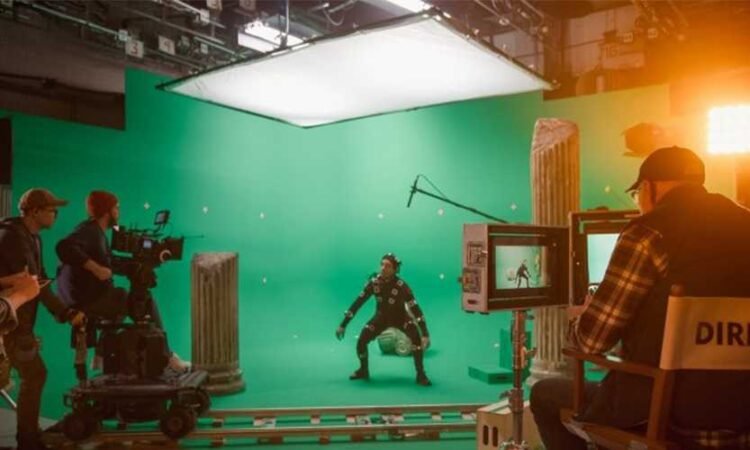
The history of cinema is intertwined with the evolution of special effects. From the first flickering images to the awe-inspiring spectacles of today, these visual tricks have captivated audiences and pushed the boundaries of what’s possible on screen.
Let’s delve into this fascinating journey, exploring how special effects have impacted cinema throughout its history.
Early Beginnings of Special Effects
Even in the silent era, filmmakers embraced the magic of special effects. Georges Méliès, a pioneer of early cinema, utilized a range of techniques to create fantastical worlds in films like “A Trip to the Moon” (1902).
He employed multiple exposures, in-camera editing, and hand-painted backdrops to achieve his otherworldly visuals. These early effects, though simplistic by today’s standards, displayed remarkable ingenuity and a playful spirit that continues to inspire filmmakers.
As technology progressed, so did the art of special effects. The introduction of optical effects like dissolves, fades, and wipes allowed for smoother transitions between scenes and helped build suspense. Thankfully, advancements in film preservation techniques like 16mm film digitization have breathed new life into these early films.
The digital restoration process removes scratches, dust, and other imperfections, allowing us to appreciate the intricate details and creativity of those early special effects artists on a whole new level.
Imagine watching a newly digitized version of “A Trip to the Moon” – the jerky movements and flickering frames suddenly become a charming reminder of the era’s cinematic infancy. Converting 8mm film to digital not only safeguards these historical artifacts but also opens doors for incorporating them into modern productions.
By utilizing CGI enhancements, filmmakers can seamlessly integrate these older snippets into their narratives, creating a fascinating bridge between cinematic eras.
The Digital Revolution
The arrival of the digital age marked a seismic shift in the world of special effects. The development of Computer-Generated Imagery (CGI) opened a universe of possibilities. Filmmakers could now create photorealistic creatures, build elaborate sets in a virtual world, and manipulate environments with unparalleled control.
Blockbusters like “Jurassic Park” (1993) ushered in a new era of visual spectacle, showcasing dinosaurs brought to life with groundbreaking CGI. The technology continued to evolve, blurring the lines between reality and fantasy in films like “Avatar” (2009) with its immersive alien world.
The Blurring of Reality and Fiction
Special effects have undeniably blurred the lines between reality and fiction. Today, audiences often struggle to distinguish between practical effects and their digital counterparts. This can be a double-edged sword. While the ability to create hyper-realistic visuals is undeniably impressive, it can also lead to a sense of detachment from the story. The seamlessness can sometimes overshadow the emotional core of a film.
Impact on Storytelling and Narrative
However, the true power of special effects lies in their ability to enhance storytelling. When used effectively, they can transport audiences to new worlds, evoke emotions, and deepen our connection with characters. Consider the weightlessness and vulnerability portrayed in “Gravity” (2013) – achieved largely through CGI – that heightens the emotional impact of the astronaut’s struggle for survival. Special effects are not just about spectacle; they are powerful tools for filmmakers to shape the narrative and engage the audience on a deeper level.
The Future of Special Effects
As technology continues to advance, the future of special effects is brimming with possibilities. We can expect even more realistic and seamless visuals, along with the potential for real-time manipulation within the filmmaking process. The lines between live-action and animation might continue to blur, creating hybrid experiences that redefine cinematic storytelling.
Conclusion
Special effects have come a long way since their humble beginnings. They have transformed cinema from a novelty into a powerful storytelling medium. As we move forward, the key will be to utilize these ever-evolving tools to create not just dazzling visuals, but impactful stories that resonate with audiences on a deeper level.
The future of cinema promises to be a visually stunning one, shaped by the boundless creativity of filmmakers and the ever-expanding possibilities of special effects.