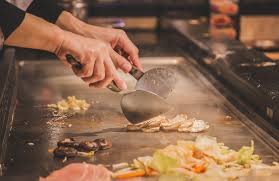
Hibachi, often associated with sizzling meats, vibrant vegetables, and skilled chefs performing dazzling culinary feats, is a popular Japanese cooking method that has captivated diners around the world. Originating from Japan, hibachi cooking involves grilling food over a charcoal or gas-powered open flame, creating a unique and flavorful dining experience. In this article, we’ll delve into the history, techniques, and cultural significance of hibachi cooking, as well as explore its modern-day iterations and variations.
Origins of Hibachi: A Culinary Tradition
The term “hibachi” traces its roots back to Japan, where it originally referred to a portable charcoal brazier used for heating rooms or cooking food. Over time, the concept of hibachi evolved into a style of cooking, characterized by grilling meat, seafood, and vegetables over an open flame. Hibachi cooking became popular in Japanese households, as well as in restaurants and street food stalls, where skilled chefs would showcase their culinary prowess and entertain guests with their cooking skills.
Techniques of Hibachi Cooking: Mastering the Grill
At the heart of hibachi cooking is the grill, where food is cooked over high heat to sear and caramelize the ingredients, imparting a rich, smoky flavor. Chefs use a variety of techniques to prepare hibachi dishes, including flipping, tossing, and chopping ingredients with precision and flair. Hibachi chefs often incorporate theatrical elements into their cooking, such as tossing shrimp tails into their hats or creating flaming onion volcanoes, adding an element of entertainment to the dining experience.
Ingredients in Hibachi Cuisine: A Fusion of Flavors
Hibachi cuisine typically features a variety of meats, seafood, and vegetables, all grilled to perfection and seasoned with sauces and spices. Common ingredients include steak, chicken, shrimp, scallops, mushrooms, onions, zucchini, and bell peppers, which are grilled and served alongside rice or noodles. Hibachi chefs often customize dishes to suit individual preferences, allowing diners to choose their protein and accompaniments and tailor their meal to their tastes.
The Hibachi Dining Experience: Entertainment and Enjoyment
Part of the allure of hibachi dining is the immersive experience it offers, combining delicious food with lively entertainment. Guests are seated around a large hibachi grill, where a skilled chef prepares their meals right before their eyes. As the chef cooks, they engage with diners, cracking jokes, performing tricks, and showcasing their culinary skills. The sizzling sound of the grill, the aroma of grilled meats, and the spectacle of flames dancing before them all contribute to the unique ambiance of the hibachi dining experience.
Modern Variations of Hibachi: From Traditional to Trendy
While traditional hibachi cooking remains popular in Japan and around the world, modern variations of the cuisine have emerged to cater to evolving tastes and preferences. Some restaurants offer fusion hibachi dishes that blend traditional Japanese flavors with elements of other cuisines, such as Korean, Chinese, or American. Additionally, hibachi-style cooking has inspired new dining concepts, such as DIY tabletop grilling and interactive cooking experiences, where diners grill their own food at their table.
Health Benefits of Hibachi Cooking: Grilled Goodness
Hibachi cooking offers several health benefits, thanks to its emphasis on grilling lean proteins and fresh vegetables. Grilling helps to retain the natural flavors and nutrients of ingredients, while also reducing the need for added fats and oils. Additionally, the high heat of the grill can help to caramelize sugars in vegetables, creating a natural sweetness without the need for added sugars or sauces. By incorporating a variety of colorful vegetables and lean proteins into hibachi dishes, what is hibachi diners can enjoy a delicious and nutritious meal that’s both satisfying and good for them.
Choosing the Right Hibachi Restaurant: Tips for a Memorable Dining Experience
When selecting a hibachi restaurant, consider the following factors to ensure a memorable dining experience:
- Reputation: Research online reviews and recommendations to find a reputable hibachi restaurant known for its quality food and entertaining chefs.
- Atmosphere: Choose a restaurant with a lively and welcoming atmosphere, where you can enjoy the interactive hibachi experience to the fullest.
- Quality of Ingredients: Look for a restaurant that uses fresh, high-quality ingredients in their hibachi dishes, ensuring a delicious and satisfying meal.
- Price: Consider the price range of the restaurant and whether it fits within your budget for dining out.
- Reservations: Make reservations in advance, especially during peak dining hours, to secure a table and avoid long wait times.
In Conclusion
Hibachi cooking is more than just a culinary tradition – it’s an immersive dining experience that combines delicious food with lively entertainment. Whether you’re savoring the flavors of grilled meats and vegetables or marveling at the skills of a hibachi chef, the hibachi dining experience offers something for everyone to enjoy. By understanding the techniques, ingredients, and cultural significance of hibachi cooking, diners can appreciate the artistry and craftsmanship behind this beloved Japanese culinary tradition.