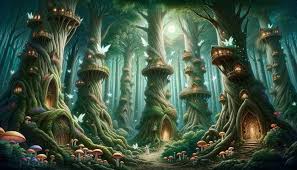
The concept of fictional universes has captivated human imagination for centuries, offering portals to realms where the laws of reality bend and twist to the whims of creators. These universes, born from the minds of writers, filmmakers, game developers, and artists, serve as playgrounds for boundless creativity and storytelling prowess. From the enchanted realms of Middle-earth to the far reaches of outer space in galaxies far, far away, fictional universes transport audiences to worlds both fantastical and familiar.
Origins of Fictional Universes
Fictional universes trace their origins back to ancient mythologies and oral traditions, where storytellers wove intricate tales of gods, heroes, and monsters inhabiting mystical realms beyond mortal understanding. These early narratives laid the foundation for the fantastical worlds that would emerge in literature and popular culture millennia later. As human civilization progressed, so too did the complexity and diversity of fictional universes, reflecting the evolving beliefs, values, and imaginations of their creators and audiences.
Diverse Forms of Expression
The allure of fictional universes extends across a multitude of mediums, encompassing literature, film, television, video games, comics, and more. Each medium offers unique opportunities for world-building and immersion, allowing creators to craft expansive landscapes populated by richly developed characters and cultures. Whether experienced through the pages of a book, the silver screen, or the interactive interface of a game, fictional universes invite audiences to suspend disbelief and journey into realms where anything is possible.
The Art of World-Building
At the heart of every fictional universe lies the art of world-building, a meticulous process through which creators construct the intricate tapestry of setting, history, culture, and mythology that forms the backdrop for their stories. From J.R.R. Tolkien’s meticulous maps of Middle-earth to George R.R. Martin’s sprawling histories of Westeros, world-builders invest countless hours in crafting immersive and believable environments that captivate the imagination and draw audiences into their narratives.
Iconic Fictional Universes
Throughout history, certain fictional universes have achieved iconic status, transcending their original mediums to become cultural touchstones revered by audiences around the globe. From the wizarding world of Harry Potter to the superhero metropolis of Gotham City, these universes have left an indelible mark on popular culture, inspiring countless works of fan fiction, cosplay, and fan art. Their enduring popularity speaks to the timeless appeal of immersive storytelling and the power of imagination to transcend boundaries.
Exploring Themes and Concepts
Beyond their surface-level entertainment value, fictional universes often serve as vehicles for exploring complex themes and concepts relevant to the human experience. Whether grappling with questions of morality, identity, power, or the nature of reality itself, these universes provide fertile ground for thought-provoking discourse and introspection. Through the lens of speculative fiction, creators and audiences alike can confront pressing issues facing society while contemplating possible futures and alternate realities.
Fandom and Community
Central to the enduring appeal of fictional universes is the vibrant communities of fans and enthusiasts that form around them. These dedicated followers, bound by their shared love for a particular universe, come together to celebrate their passion through conventions, online forums, fan clubs, and social media groups. In these spaces, fans engage in lively discussions, debates, and creative collaborations, fostering a sense of camaraderie and belonging that transcends geographical and cultural boundaries.
The Rise of Transmedia Storytelling
In recent years, the landscape of fictional universes has been transformed by the rise of transmedia storytelling, a narrative strategy that extends a story across multiple platforms and mediums. From interconnected film franchises like the Marvel Cinematic Universe to multimedia experiences like the alternate reality game of “The Matrix,” transmedia storytelling offers audiences unprecedented opportunities for immersion and engagement. By weaving together diverse narratives and experiences, creators can create more expansive and cohesive universes that blur the lines between fiction and reality.
Challenges of Canon and Continuity
However, the expansion of fictional universes across multiple mediums also presents challenges in terms of maintaining canon and continuity. As stories proliferate across films, television series, novels, comics, and video games, inconsistencies and contradictions can arise, testing the patience and loyalty of fans. Creators must carefully navigate these complexities, balancing the demands of storytelling with the expectations of their audience to ensure coherence and integrity within their fictional universes.
The Influence of Fan Culture
In the digital age, fan culture plays an increasingly influential role in shaping the direction and evolution of fictional universes. Through social media, crowdfunding platforms, and grassroots movements, fans have unprecedented access to creators and the ability to influence the development of their favorite franchises. This newfound power has led to a democratization of storytelling, where fan feedback and fan-created content can directly impact the trajectory of a universe, for better or for worse.
Ethical Considerations
As fictional universes continue to expand and evolve, ethical considerations surrounding representation, diversity, and cultural sensitivity come to the forefront. Creators bear a responsibility to ensure that their worlds reflect the richness and complexity of the real world, avoiding harmful stereotypes and promoting inclusivity and authenticity. By embracing diverse perspectives and voices, creators can enrich their universes and foster a more inclusive and welcoming fan community.
The Power of Imagination
At its core, the appeal of fictional universes lies in the boundless power of human imagination to conjure worlds beyond the constraints of reality. In these imaginary realms, anything is possible, from epic battles between cosmic forces to intimate moments of personal growth and discovery. Through the act of creation and exploration, creators and audiences alike tap into a shared sense of wonder and possibility that transcends the mundane and celebrates the limitless potential of the human spirit.
The Role of Fiction in Society
Fictional universes play a crucial role in shaping the cultural landscape and collective consciousness of society. By offering alternate realities and speculative futures, they provide a lens through which to examine our own world and contemplate the possibilities that lie ahead. Whether serving as escapist fantasies or cautionary tales, these universes challenge us to confront fundamental truths about ourselves and the world we inhabit, inspiring empathy, curiosity, and hope for a better tomorrow. fictional universes
Preserving Legacy and Heritage
As fictional universes continue to expand and evolve, preserving their legacy and heritage becomes increasingly important. From archival efforts to fan-driven preservation initiatives, ensuring that these beloved worlds endure for future generations is essential to maintaining their cultural significance and impact. By safeguarding the stories, artifacts, and memories of fictional universes, we honor the creativity and imagination of their creators and celebrate the enduring power of storytelling to connect us across time and space.
Exploring New Frontiers
Looking ahead, the future of fictional universes is filled with limitless possibilities and untold adventures waiting to be discovered. As technology continues to advance and storytelling techniques evolve, creators will have unprecedented tools at their disposal to push the boundaries of imagination and redefine the possibilities of narrative. Whether exploring virtual reality, augmented reality, or immersive experiences, the next generation of fictional universes promises to transport audiences to realms beyond imagination and inspire wonder and awe in the hearts of all who dare to dream.
Conclusion
Fictional universes represent the pinnacle of human creativity and imagination, offering portals to realms where anything is possible. From the mythic landscapes of ancient lore to the futuristic worlds of science fiction, these universes inspire wonder, provoke thought, and ignite the imagination of audiences around the globe. As we continue to explore new frontiers of storytelling and technology, the allure of fictional universes will endure, serving as timeless testaments to the power of human imagination to transcend the boundaries of reality.