The question of whether rental cars are equipped with cameras is one that has garnered significant attention and concern among travelers and privacy advocates. With advancements in technology, the possibility of surveillance cameras being installed in rental vehicles raises important questions about privacy rights, surveillance practices, and legal regulations. While some may argue that cameras in rental cars enhance safety and security, others express apprehension about potential violations of privacy and misuse of surveillance data. In this article, we’ll delve into the topic of cameras in rental cars, examining the reasons behind their installation, privacy implications, legal considerations, and what renters need to know to protect their privacy rights.
The Rise of Surveillance Technology: Implications for Rental Cars
As technology continues to evolve, surveillance cameras have become increasingly prevalent in various public and private spaces, including vehicles. In the case of rental cars, the installation of cameras may be motivated by a desire to enhance safety and security for both renters and rental companies. Cameras can serve as a deterrent against theft, vandalism, and fraudulent claims, providing valuable evidence in the event of accidents or disputes. However, the proliferation of surveillance technology also raises concerns about the potential for abuse, invasion of privacy, and unauthorized surveillance of renters and passengers.
Understanding the Types of Cameras in Rental Cars
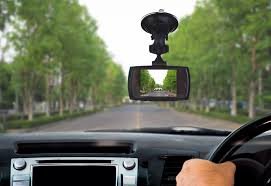
Cameras installed in rental cars can take various forms, ranging from dashboard cameras (dashcams) to interior cameras to GPS tracking devices with camera capabilities. Dashcams are commonly used for recording footage of the road ahead, capturing events such as accidents, traffic violations, and scenic drives. Interior cameras may be positioned inside the vehicle to monitor driver behavior, passenger activity, and vehicle conditions. GPS tracking devices with camera capabilities can track the location of the rental car and capture images or video footage as needed.
Privacy Concerns: Balancing Safety and Surveillance
While the presence of cameras in rental cars may offer benefits in terms of safety and security, it also raises significant privacy concerns for renters. The idea of being constantly monitored and recorded while driving or riding in a rental car can feel intrusive and unsettling for many individuals. There is a valid concern that surveillance cameras could infringe upon renters’ privacy rights, capturing sensitive information, conversations, and activities without their knowledge or consent. Additionally, the storage and use of surveillance data collected by rental car companies raise questions about data privacy, security, and potential misuse.
Legal Considerations: Rental Agreements, Consent, and Disclosure
The legality of installing cameras in rental cars varies depending on jurisdiction, rental company policies, and applicable laws and regulations. In some regions, rental car companies may be required to disclose the presence of cameras in their vehicles and obtain renters’ consent before activating or using surveillance technology. Rental agreements and terms of service may also include clauses regarding the use of cameras, data collection, and renters’ rights to privacy. However, the enforcement of such policies and regulations can vary, and renters should familiarize themselves with the terms and conditions of their rental agreements to understand their rights and obligations.
Are There Cameras in Rental Cars by Default?
The presence of cameras in rental cars varies depending on the rental company and specific vehicle model. While some rental companies may equip their vehicles with surveillance cameras for security and safety purposes, others may not. Additionally, the type and placement of cameras can differ, with some vehicles featuring dashcams, interior cameras, or GPS tracking devices with camera capabilities. Renters concerned about privacy should inquire with the rental company about the presence of cameras in their vehicles and review the terms of their rental agreement for information about surveillance policies and procedures.
Ensuring Privacy and Security: Tips for Renters
To protect their privacy and security when renting a car, travelers can take several proactive measures. Before booking a rental car, renters should research the policies and practices of different rental companies regarding surveillance cameras and data collection. When picking up the rental car, renters should inspect the vehicle for visible cameras or surveillance devices and inquire with the rental company about their purpose and use. Additionally, renters should review the terms of their rental agreement carefully, paying attention to clauses related to surveillance, are there cameras in rental cars data collection, and renters’ rights to privacy.
Conclusion
The question of whether rental cars are equipped with cameras underscores the complex intersection of safety, surveillance, and privacy in the modern world. While cameras in rental cars may offer benefits in terms of safety and security, they also raise valid concerns about privacy rights, surveillance practices, and legal regulations. Renters should be aware of the presence of cameras in rental vehicles, familiarize themselves with rental company policies and procedures, and take proactive steps to protect their privacy and security when renting a car.