The Future of Power: Hydrogen Fuel Cell vs Lithium-Ion Battery in Sustainable Energy
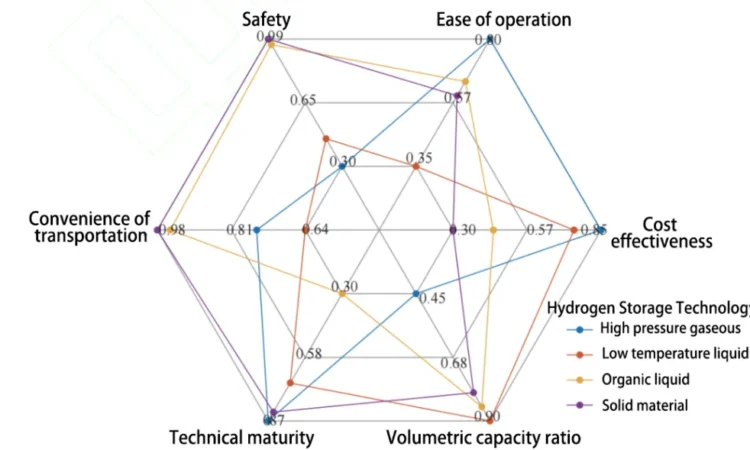
In the quest for sustainable energy solutions, two technologies stand out: hydrogen fuel cells and lithium-ion batteries. Both have unique advantages and challenges, and they are increasingly seen as key components in the transition to clean energy. This blog post compares and contrasts these technologies, examining their potential roles in the future energy landscape.
Understanding Hydrogen Fuel Cells
Hydrogen fuel cells generate electricity through a chemical reaction between hydrogen and oxygen. The only byproduct of this reaction is water, making it an extremely clean energy source.
Advantages:
- Zero Emissions: Fuel cells emit only water vapor, making them environmentally friendly.
- High Energy Density: Hydrogen has a higher energy density than batteries, offering longer operation times.
- Rapid Refueling: Refueling a hydrogen fuel cell takes just a few minutes, much like conventional internal combustion engines.
Challenges:
- Hydrogen Production: Most hydrogen is currently produced from natural gas, which negates some environmental benefits. Sustainable hydrogen production methods are needed.
- Infrastructure: The lack of hydrogen refueling stations is a significant barrier.
- Cost: Fuel cells are expensive to produce, primarily due to the use of platinum as a catalyst.
Exploring Lithium-Ion Batteries
Lithium-ion batteries store electrical energy and are widely used in everything from mobile devices to electric vehicles (EVs).
Advantages:
- Efficiency: These hydrogen vs lithium are highly efficient in terms of energy conversion.
- Scalability: Lithium-ion technology is scalable and can be used in small devices as well as large-scale energy storage systems.
- Established Infrastructure: The charging infrastructure for EVs is more developed than hydrogen refueling stations.
Challenges:
- Resource Limitation: Lithium and other essential minerals are limited and mining them has environmental and ethical concerns.
- Battery Degradation: Over time, lithium-ion batteries degrade and lose capacity.
- Charging Time: Charging batteries, especially for EVs, takes significantly longer than refueling with hydrogen or gasoline.
Comparing Environmental Impact
Both technologies have the potential to reduce our carbon footprint significantly. However, the environmental impact of hydrogen fuel cells depends largely on how the hydrogen is produced. If produced using renewable energy, it can be virtually carbon-neutral. Lithium-ion batteries have a carbon footprint associated with the production and disposal of the batteries, though advancements are being made in recycling technologies.
Applications and Use Cases
- Hydrogen Fuel Cells: Ideal for sectors where long range and quick refueling are essential, like long-haul trucking, public transportation, and backup power systems.
- Lithium-Ion Batteries: Best suited for consumer electronics, electric vehicles with shorter routes, and grid energy storage.
Future Prospects and Innovations
Hydrogen Fuel Cells:
- Research is focused on reducing costs, finding alternative catalysts, and improving hydrogen production methods.
Lithium-Ion Batteries:
- Innovations aim at improving battery life, reducing charging times, and sourcing materials more sustainably.
Conclusion
The future of sustainable energy likely involves a combination of both hydrogen fuel cells and lithium-ion batteries. Each technology has unique strengths making it suitable for different applications. The continued development and improvement of both will be critical in transitioning to a cleaner, more sustainable energy future.