
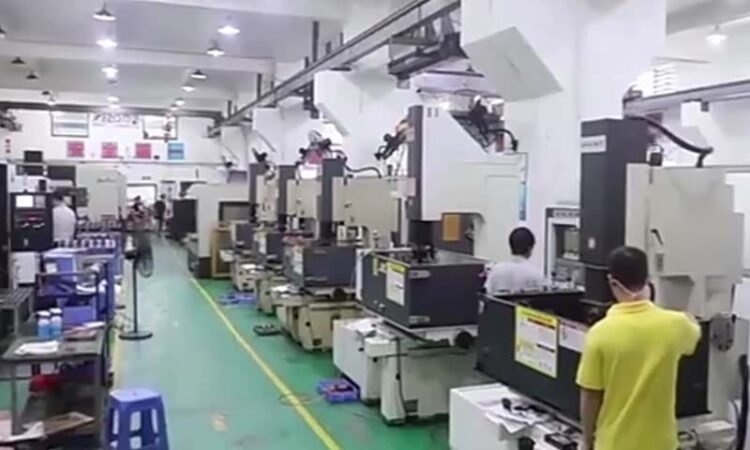
In the realm of manufacturing, injection molding has long been synonymous with plastics. However, as the demand for sustainable and high-performance materials continues to rise, the industry is expanding its horizons. Beyond traditional plastics, innovative materials are taking center stage in advanced injection molding techniques, offering a glimpse into a future where versatility meets eco-friendliness.
Diversifying the Material Palette
Metal Injection Molding (MIM)
Breaking free from the conventional reliance on plastics, metal injection molding (MIM) has emerged as a game-changer. This process allows for the production of intricate metal injection molding services with high precision and consistency. Typically used for small, complex components in industries like aerospace and automotive, MIM opens doors to new possibilities in design and functionality.
The MIM process involves combining finely powdered metal with a thermoplastic binder material. After molding, the part undergoes a debinding process to remove the binder, followed by sintering to achieve the final metal component. This innovative technique not only facilitates the production of parts with intricate geometries but also ensures material strength and durability.
Biodegradable Polymers
Addressing environmental concerns, biodegradable polymers are gaining traction as a sustainable alternative to traditional plastics. Derived from renewable resources such as corn starch, these polymers offer similar molding characteristics while being compostable. This shift towards eco-friendly materials aligns with the growing emphasis on reducing the environmental impact of manufacturing processes.
Biodegradable polymers, like polylactic acid (PLA), are becoming increasingly popular for packaging and disposable products. The injection molding of these materials provides manufacturers with the means to create environmentally responsible products without compromising on performance.
Enhanced Performance through Composite Materials
Fiber-Reinforced Polymers
In the pursuit of heightened mechanical properties, injection molding is now incorporating fiber-reinforced polymers. By combining traditional polymers with reinforcing fibers such as glass or carbon, manufacturers can achieve a superior balance of strength, stiffness, and lightweight characteristics. This makes these materials ideal for applications in automotive, sporting goods, and consumer electronics.
The process involves impregnating the fibers within the polymer matrix during the injection molding cycle. The resulting composite material inherits the benefits of both components, creating a product that surpasses the limitations of individual materials. The ability to tailor the composition allows for a wide range of performance characteristics, offering a versatile solution for various industries.
Metal Matrix Composites (MMCs)
For applications demanding exceptional strength and thermal conductivity, metal matrix composites (MMCs) are gaining attention. Injection molding techniques are adapting to accommodate the unique challenges posed by MMCs, where a metal matrix is reinforced with ceramic or metallic particles.
While traditional manufacturing methods for MMCs can be complex and costly, injection molding streamlines the process, enabling the production of intricate shapes and reducing material wastage. This approach broadens the scope of MMCs beyond specialized industries, making them more accessible for a variety of applications, from automotive components to electronic devices.
The Role of Advanced Processing Technologies
3D Printing and Injection Molding Integration
The integration of 3D printing technology with injection molding is revolutionizing the manufacturing landscape. This hybrid approach combines the design freedom offered by 3D printing with the efficiency and scalability of injection molding. Prototyping and low-volume production benefit significantly from this synergy, allowing for rapid iterations and reduced time-to-market.
By 3D printing mold inserts, manufacturers can quickly test and refine designs before committing to expensive and time-consuming traditional tooling. This convergence of technologies maximizes efficiency and flexibility in the production process, paving the way for innovative materials to be seamlessly incorporated into various industries.
Challenges and Opportunities
While the exploration of innovative materials in advanced injection molding techniques presents exciting possibilities, challenges remain. Adapting machinery and processes to accommodate new materials requires significant investment and research. Additionally, ensuring consistent quality and meeting industry standards pose ongoing challenges.
However, the opportunities presented by these advancements far outweigh the obstacles. From sustainable alternatives to traditional plastics to enhanced performance through composite materials, the evolution of injection molding is shaping a future where innovation and environmental consciousness go hand in hand.
In conclusion, the injection molding landscape is undergoing a transformation beyond plastics. The integration of innovative materials, coupled with advanced processing technologies, is redefining the possibilities within the manufacturing industry. As the demand for sustainable and high-performance solutions continues to grow, injection molding stands at the forefront of this evolution, offering a glimpse into a future where material choices are as diverse as the products they create.
Top of Form


