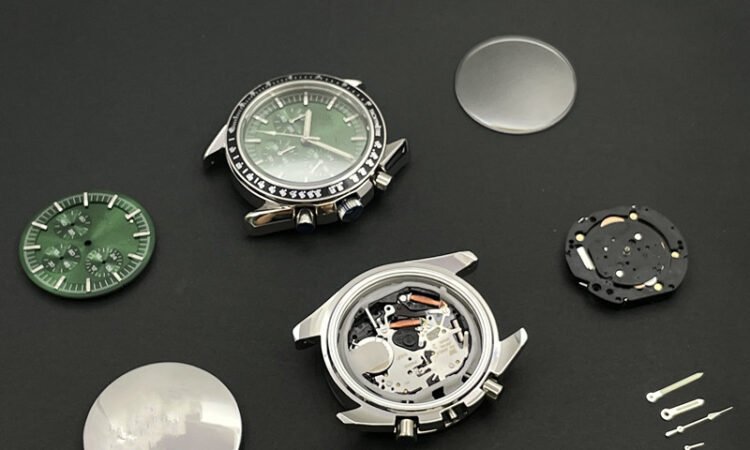
In the world of watch manufacturing, there are two key approaches that companies can take: Original Equipment Manufacturing (OEM) and Original Design Manufacturing (ODM). These two methods play a crucial role in the watch industry, each offering distinct advantages and considerations. In this article, we’ll delve into the ins and outs of OEM and ODM watch manufacturing, helping you understand the differences and make informed decisions for your watch business.
Understanding OEM Watch Manufacturing
What is OEM?
OEM, which stands for Original Equipment Manufacturing, refers to the process of outsourcing the production of watches to a third-party manufacturer while retaining control over the branding and design of the product. In an OEM arrangement, a watch brand or company provides detailed specifications, designs, and materials to a manufacturer, who then produces the oem watch according to these specifications.
Advantages of OEM Manufacturing
- Brand Control: OEM allows watch brands to maintain control over their brand identity, including logo placement, design elements, and packaging.
- Customization: Companies can create watches tailored to their specific requirements, ensuring uniqueness and differentiation in the market.
- Quality Assurance: Brands can monitor the quality of materials and workmanship to ensure that the final product meets their standards.
- Established Brand Reputation: OEM is often chosen by well-established brands looking to expand their product lines while leveraging their existing reputation.
Considerations for OEM Manufacturing
- Higher Costs: OEM manufacturing can be more expensive due to the need to manage design, branding, and quality control.
- Lead Times: Customized designs may result in longer lead times, delaying product launches.
- Minimum Order Quantities (MOQs): Manufacturers often require larger MOQs, which can be a barrier for smaller brands or startups.
The World of ODM Watch Manufacturing
What is ODM?
ODM, or Original Design Manufacturing, involves partnering with a manufacturer that not only produces watches but also offers pre-designed watch models for companies to choose from. In this scenario, watch brands select a watch design from the manufacturer’s catalog and may have limited opportunities for customization.
Advantages of ODM Manufacturing
- Cost Efficiency: ODM manufacturing can be cost-effective, as it eliminates the need for extensive design work and development.
- Speed to Market: Selecting a pre-designed model can significantly reduce lead times, allowing brands to bring their products to market faster.
- Lower MOQs: ODM manufacturers often have lower MOQ requirements, making it more accessible for startups and smaller brands.
- Expertise: ODM manufacturers have experience and expertise in watch production, ensuring product quality.
Considerations for ODM Manufacturing
- Limited Customization: The choice of designs may be limited, and brands may have little room for customization.
- Branding Challenges: Brands may need to work within the manufacturer’s branding and design constraints, impacting their ability to establish a unique identity.
- Competition: ODM models may be available to multiple brands, potentially leading to competition with similar products in the market.
Making the Right Choice for Your Watch Business
Deciding between OEM and ODM manufacturing depends on various factors, including your brand’s goals, budget, and market positioning. Here are some key steps to help you make the right choice:
- Define Your Brand: Determine your brand’s identity, values, and target market. If uniqueness and brand control are essential, OEM might be the way to go.
- Assess Budget and Resources: Evaluate your budget and resources, considering factors like design capabilities, MOQ requirements, and lead times.
- Market Research: Research the competitive landscape to see how your chosen manufacturing method aligns with the market’s demand and trends.
- Communication and Partnerships: Establish clear communication with potential manufacturing partners to ensure they understand your vision and requirements.
- Quality Assurance: Regardless of your choice, prioritize quality control and ensure your chosen manufacturer can meet your quality standards.
In conclusion, both OEM and ODM watch manufacturing have their merits and considerations. The decision ultimately depends on your brand’s specific needs, resources, and market strategy. By carefully weighing the pros and cons of each approach, you can navigate the world of watch manufacturing with confidence and make choices that align with your business goals.