When hurricanes, floods, fires and other disasters strike, headlines rightly focus on human loss and displacement. But these events also severely impact wildlife inhabiting affected regions. Entire ecosystems can be ravaged, with animals injured, killed, or losing vital resources and habitat. Wildlife advocates jump into action during these animal emergencies, racing to provide relief and mitigate population damage.
Assessing Damage and Prioritizing Response
Once a natural disaster zone is safe to enter, wildlife experts hurry to assess impacts on native animal populations and environments. Aerial surveys identify areas of significant destruction versus refugia that escaped damage.
On the ground, rescuers search for stranded injured animals in need of immediate aid. Simultaneously, scientists estimate population losses and emerging threats like toxins, predators and food scarcity facing survivors. With data gathered, response priorities are set.
When you are trying to offer relief to animals, you should be mindful about your safety as well. Always keep in mind that you are approaching a danger zone. This is why you must keep safety precautions in mind before you approach. Then it will be possible for you to overcome the challenging situations that would come on your way.
Triaging and Treating Injured Animals
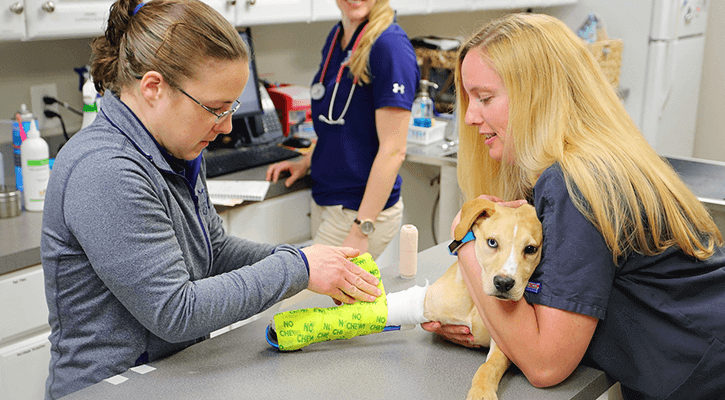
Finding and medically treating individual creatures harmed by disasters is essential. Search teams look for wounded animals trapped or unable to move. Members are trained to carefully capture and transfer animals to emergency mobile veterinary units. There, vets medically stabilize and treat injuries, burns and wounds to give patients a fighting chance. Once healthy enough, wildlife is relocated to licensed rehabilitation facilities for ongoing recuperation until they can be returned to the wild.
If you don’t have proper knowledge of how to treat injured animals, you must make sure that you don’t do it. When you try to treat injured animals, things can get worsen. This can lead you to many unforeseen situations. It might even put your life at risk. That’s why you need to adhere to the tips mentioned above and provide treatments for injured animals.
Mitigating Further Harm in the Recovery Phase
After initial rescues, the priority becomes mitigating additional harm and death during the recovery period. Supplemental food sources are provided when natural prey is scarce post-disaster. Steps are taken to prevent predation, such as deterring poaching and training locals on coexistence. Toxic debris is removed from habitats to prevent poisoning. Temporary barriers are installed to allow safe passage across roads with heavy rescue traffic. Reducing secondary losses after the initial event helps populations stabilize.
You will not be able to do all these tasks on your own. That’s why it is important for you to partner up with an entity, which can help you with them. Then you will be able to work hand in hand and mitigate further damage that can happen. You need to be careful not to cause any further damage to the environment during this phase. If it happens, there is a high possibility for you to encounter major issues in the future.
Habitat Restoration and Population Monitoring
Restoring vital habitat and resources damaged by disasters is crucial for wildlife to regroup and recover. Tree replanting restores lost forest cover and vegetation. Freshwater systems damaged by floods or oil require riverbank stabilization, water filtration, and reintroduction of native fish and plants. Protected sanctuaries must have infrastructure rebuilt. Meanwhile, scientists closely monitor struggling species for many years post-disaster to ensure stabilization or adaptation. Intervention continues until populations regrow.
Always keep in mind that habitat restoration doesn’t happen overnight. You will need to allow it to happen for some time. Until it happens, it is important to keep on monitoring as well. Then you will be able to make sure that there is gradual progress.
Temporary Captive Housing of Displaced Wildlife
When disasters entirely eliminate habitat or food sources, captive housing may be needed to keep displaced wildlife populations alive. Animals like birds, reptiles and small mammals are transported to emergency animal shelters set up nearby until habitat can be restored. These temporary facilities provide clean cages/enclosures, veterinary care and nutrition while protecting species from threats in a decimated environment. The goal is to reintroduce wildlife back home once conditions improve.
Strategic Supplemental Feeding Programs
Providing emergency food sources is vital for supplementing disrupted natural prey after disasters. Strategic feeding programs distribute meat, seeds, or vegetation to emulate lost food sources. Feed is dispersed away from roads and populated areas to avoid habituation. Feeding tapering plans prevent dependency as natural supply recovers. Programs focus on staple species key to ecosystem balance like pollinating bats and seed-dispersing birds. Supporting keystone species helps entire habitats.
Coordinating Disaster Response Across Organizations
Successfully assisting wildlife requires coordination between various governmental, nonprofit, and local groups. Federal and state agencies supply resources, access, and data collection. National charities like Audubon and World Wildlife Fund provide technical expertise, volunteers, and funding. Small rehabbers and sanctuaries handle animal housing and injury care. And local landowners lend their properties for operations. Unified command systems with clear division of duties maximize response.
Incorporating Wildlife Needs into Human Preparedness Efforts
Humans rightly prioritize human lives when bracing for disasters. But we must also prepare emergency plans addressing wildlife impacts. Mapping vulnerable habitats and populations ahead of time allows quicker protection of resources and more strategic responses. Expanding human shelters and supplies to accommodate animals and rehab staff saves more lives. Taking an ecosystem-wide view of emergency readiness protects biodiversity in our shared home.
Final words
While wildlife may seem resilient, major disasters can wreak immense damage without active human intervention. But with strategic response grounded in compassionate conservation, populations and habitats can rebound. Our steadfast assistance in times of crisis reminds us that we are caretakers of all inhabitants sharing our world.