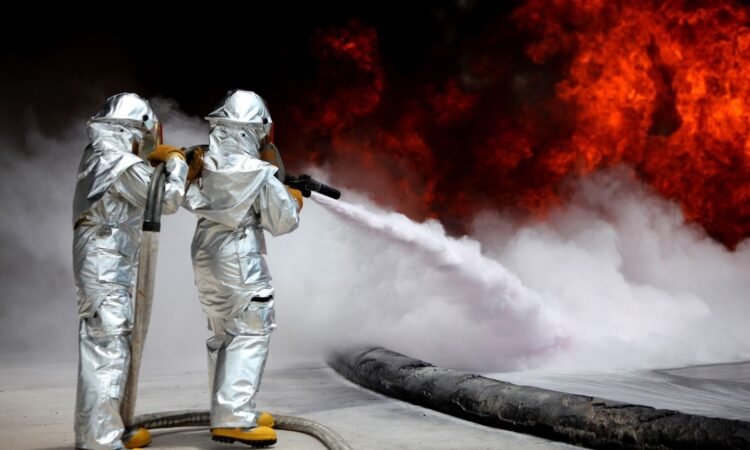
Have you ever considered the hidden perils that firefighters face in the line of duty? Beyond the flames and smoke, there’s a silent threat plaguing these heroes for years: the firefighting foam.
While bravely saving lives, firefighters unwittingly expose themselves to toxic chemicals in firefighting foam. It leads to adverse health effects and increases cancer risk, respiratory ailments, and other health challenges that firefighters confront daily.
This article explores the harrowing battle firefighters endure against the health consequences of the exposure. It is a captivating exploration of a pressing problem that demands attention and immediate action.
Health Effects of Firefighting Foam Exposure
Exposure to firefighting foam can have serious consequences on the health and well-being of firefighters. These foams often contain a group of chemicals known as per- and polyfluoroalkyl substances (PFAS). They are highly persistent and have been linked to a range of health issues. These include:
Respiratory Issues
Firefighters who come into contact with firefighting foam often face various respiratory problems. When used to combat fires, foam can release harmful chemicals and particles into the air. Inhaling these substances can seriously affect a firefighter’s lungs and respiratory health.
One common issue is bronchitis, an inflammation of the bronchial tubes in the lungs. It can lead to persistent coughing, difficulty breathing, and discomfort. Long-term exposure to foam-related chemicals can even reduce lung function, making it harder for firefighters to perform their physically demanding jobs.
Cancer Risk
According to TorHoerman Law, one of the most alarming consequences of exposure to firefighting foam is the heightened risk of cancer. PFAS present in the foam has been associated with a significant increase in the likelihood of developing various types of cancer. In their valiant efforts to save lives and property, firefighters often face the hidden danger of these carcinogenic chemicals.
Studies have linked AFFF foam exposure to various cancers, including prostate, kidney, testicle, and other forms of cancer. These AFFF foam cancer risks should not be taken lightly, as they can lead to devastating consequences for the affected firefighters and their families. The long-lasting nature of PFAS compounds means that even limited exposure can have long-term health implications.
Skin Conditions
When they come into contact with foam during firefighting operations, it can cause irritation and discomfort. It may result in redness, itching, and rashes on their skin.
These skin conditions can be more than just temporary annoyances. Prolonged exposure to the chemicals can lead to chronic skin issues, which can be painful and impact a firefighter’s overall well-being. It can affect a firefighter’s ability to perform their duties effectively and comfortably.
Neurological Disorders
These disorders can include problems with memory, attention, and coordination. Firefighters might experience difficulties recalling essential details, staying focused on tasks, or maintaining balance while performing critical firefighting duties.
Additionally, exposure to PFAS has been linked to mood disorders, such as anxiety and depression. The constant worry about health effects, coupled with potential changes in brain chemistry, can profoundly impact a firefighter’s mental health.
Reproductive Health Concerns
For men, PFAS exposure has been linked to reduced sperm quality and fertility issues. These chemicals may affect the normal functioning of sperm, making it harder for couples to conceive.
In women, there are concerns about PFAS affecting the menstrual cycle and the overall reproductive process. The chemicals can potentially lead to complications during pregnancy and impact fetal development, posing risks to both mothers and their babies.
Liver and Kidney Damage
PFAS exposure can result in liver damage, leading to fatty liver disease and inflammation. These issues can impair the liver’s ability to perform its essential functions, affecting the body’s metabolism and detoxification processes.
Kidneys are also at risk, as PFAS can accumulate in these organs, potentially leading to kidney damage or dysfunction. When the kidneys are compromised, they may struggle to filter waste products and excess fluids from the bloodstream. It can have serious health implications.
Legislative and Industry Response
The health effects awareness of firefighting foam exposure has been a significant response from legislative bodies and the firefighting industry. Governments and regulatory agencies have started taking action to address this pressing issue.
According to AP News, firemen all around the country are growing more concerned about the protective clothing they wear. These protective gears aim to keep firefighters safe, but ironically, they might be contributing to an increase in cancer cases among them. The multi-layered gear used by firemen has been discovered to contain PFAS hazardous substances linked to several health problems, including cancer.
Firefighters encounter numerous carcinogens during their work. However, concerns arise over their safety due to the potential presence of PFAS in their protective gear. It is crucial since, between 2002 and 2019, cancer accounted for 66% of firefighter fatalities. It surpassed cardiovascular disease, the major cause of firefighter fatalities earlier.
Therefore, many authorities have introduced or strengthened regulations to limit the use of PFAS-containing firefighting foam to counter the issue. It encourages the development of safer alternatives. These regulations often restrict the use of foam for training exercises, focusing on its use only for the direst fire suppression needs.
Furthermore, some regions have initiated efforts to entirely phase out the use of PFAS-containing foams. This shift not only prioritizes the health of firefighters but also reduces the environmental impact of these chemicals.
Protective Measures and Alternatives
In the quest for safer alternatives, research and development efforts are ongoing. Currently, the most notable alternatives are the fluorine-free options, as per EPA. According to their findings, using fluorine-free foams is a promising first step toward adopting more ethical and sustainable methods.
Moreover, as per reports, studies on these will continue, which can be helpful in the future. As required by Congress for the U.S. Department of Defense, a new military standard (MIL-PRF-32725) for fluorine-free foam was published in January 2023. The many fluorine-free choices that have been created to this point are critically analyzed in this essay’s current state.
There’s a focus on protective gear like gloves, suits, and masks for firefighters to reduce exposure to foam chemicals during work. This gear helps minimize contact and inhalation risks.
Training programs are updated to teach firefighters about foam hazards and safe handling. It includes ways to reduce exposure during training and proper disposal of foam materials.
Fighting Foam Battle Will Continue
In the world of firefighting, the battle against the health effects of firefighting foam is ongoing and crucial. Researchers suspect that chemicals in firefighting foam may have contaminated several American communities and more than 700 military installations.
KFF Health News states that millions might have been exposed to health dangers from leaks, disposal, and firefighting. It is a stressful situation as firefighters face hidden risks. These come from cancer, respiratory issues, skin problems, and more due to exposure to harmful chemicals in foam.
But there’s hope. Through legislative action, industry innovation, and protective measures, strides are being made to minimize these risks. These efforts underscore a commitment to the brave firefighters’ health and well-being.