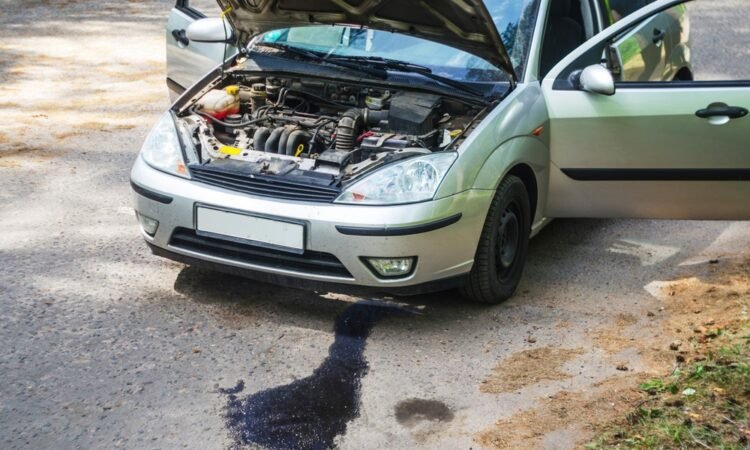
Cars, our trusty companions on the roads of Australia, keep us moving day in and day out. But what happens when they start leaving mysterious marks on the pavement – those telltale oil stains? An oil leak is like a secret your car whispers, and today, we’re here to uncover it.
In simple terms, we’ll explore why your car might leak oil and, more importantly, how to put a stop to it. No mechanic jargon, just clear answers for every Aussie road warrior. Let’s dive in and keep those engines purring, leak-free.
Causes of Oil Leaks
Oil leaks in your car can be a sneaky problem, but understanding what causes them is the first step to solving it. Let’s break it down in simple terms:
Worn Gaskets and Seals
Gaskets and seals are like rubbery guards that keep oil where it belongs. Over time, they can wear out, and when they do, oil can sneak past them, causing leaks.
Loose or Damaged Oil Pan
Think of the oil pan as a big container under your engine. If it gets damaged or the bolts holding it loosen up, oil can slip out, creating those oily spots on the ground.
Faulty Oil Filter
The oil filter’s job is to clean the oil as it circulates. If it’s not working properly, dirty oil can escape and make a mess under your car.
Overfilled Oil
Too much of anything is never good, and that includes oil. When there’s too much oil in your engine, it can’t handle it, and the excess may find its way out, causing leaks.
Corroded or Rusted Oil Lines
Oil lines are like pipes that carry oil where it’s needed. If they get rusty or corroded, they can develop tiny holes, letting oil seep out where it shouldn’t.
Understanding these common causes is the key to keeping your car’s oil where it belongs and preventing those pesky leaks. However, if your oil leaks are happening to your car constantly then you should look for a qualified mechanic otherwise this can cause other issues too. In case, you’re looking for car removal services or want to explore such services then search for free car removal.
Detecting an Oil Leak
Spotting an oil leak might sound daunting, but it’s simpler than you think. Here’s how:
Visual Inspection
- Get Under the Car: First, grab a flashlight and get down low to check under your car. Look for any wet, shiny spots.
- Check for Drips: If you spot drips or drops of oil, that’s a telltale sign of a leak. Trace the source if possible.
- Inspect Engine Components: Look at the engine and its components (like gaskets and seals) for any visible signs of oil buildup or streaks.
Check Oil Levels
- Park on Level Ground: Park your car on a flat surface and turn off the engine. Give it a few minutes to cool down.
- Locate the Dipstick: Open the hood and find the oil dipstick, usually with a bright handle. Pull it out.
- Wipe and Re-Check: Wipe the dipstick clean, reinsert it, and pull it out again. Check the oil level. If it’s below the “Full” mark, you might have a leak.
Smell and Smoke
- Sniff Around: Sometimes, you can detect oil leaks by the smell. If you catch a strong, oily odour around the engine area, investigate further.
- Watch for Smoke: If you notice wisps of smoke rising from the engine while it’s running, it could indicate an oil leak burning off on hot engine parts.
Oil Puddles
- Look Below: Check the ground where you usually park your car. If you see dark, slick puddles that look like spilled oil, it’s a clear sign of a leak.
- Colour Matters: Note the colour of the puddle. Fresh engine oil is typically amber or brown, while older oil might be darker.
Remember, early detection can save you money and prevent bigger problems down the road. So, keep an eye out for these signs to keep your car running smoothly.
Fixing an Oil Leak
You’ve discovered that pesky oil leak, and now it’s time to tackle it head-on. Don’t fret; we’ve got your back with simple solutions:
DIY Fixes
- Replacing Worn Gaskets and Seals: If you spot leaks around the engine, it could be worn gaskets or seals. These are like rubbery barriers that can wear out over time. Replacing them can stop the leak.
- Tightening Loose Oil Pan Bolts: Sometimes, it’s just a loose bolt causing trouble. Grab a wrench, tighten those bolts, and you might seal the deal.
- Replacing a Faulty Oil Filter: The oil filter’s job is to clean the oil. If it’s damaged or old, oil might leak. Swap it out for a new one.
- Draining Excess Oil: Too much oil can lead to leaks. Check your oil level, and if it’s too high, carefully drain the excess to the right level.
- Cleaning and Patching Corroded Oil Lines: Rusty or corroded oil lines can also be culprits. Clean them up and use a patch kit to cover any holes or cracks.
When to Seek Professional Help
If the leak persists after DIY attempts or if you’re unsure about the problem, it’s time to call in a pro. Signs include a large or worsening leak, strange noises, or poor engine performance.
Also, note professionals like scrap car removal sydney for future when you want to get rid of your car.
Choosing a Reliable Mechanic
Ask friends for recommendations, read online reviews, and check if the mechanic is licensed and has a good reputation. A trustworthy mechanic can save you from future leaks and car troubles.
Preventing Oil Leaks
Oil leaks can be a pesky problem for your car, but with a little care, you can keep them at bay. Here’s how:
Regular Maintenance
Think of oil changes as your car’s way of staying healthy. Regularly swapping out the old oil for fresh, clean oil can prevent leaks and keep your engine running smoothly. Follow your car’s recommended oil change schedule – it’s like giving your car a spa day!
Monitoring Oil Levels
Checking your oil levels is easy-peasy. Pop open the hood and find the dipstick (usually a bright-coloured handle). Pull it out, wipe it clean, dip it back in, and pull it out again. The oil should be between the two marks on the dipstick. If it’s too low, add a bit more, but don’t overfill. This simple check ensures your engine is well-lubricated.
Being Cautious with DIY Repairs
If you’re the DIY type, kudos to you! But when it comes to fixing oil leaks, remember to be cautious. Always work on a cool engine, use the right tools, and double-check your work. One tiny mistake can lead to a big leak. If in doubt, it’s okay to call in the professionals. Safety first!
Conclusion
In conclusion, understanding the causes of oil leaks in your car and knowing how to address them is essential for maintaining a reliable and safe vehicle. Regular maintenance and prompt action can prevent costly repairs and keep your car running smoothly on Australia’s roads.