
The intricate world of immunology and allergies is a fascinating sphere within the realm of healthcare. While allergies can be a common nuisance for many, they are complex responses of an overactive immune system. This blog aims to provide a basic understanding of allergies and immune system disorders, offering insight into the vital research and advancements that are driving this area of medicine.
Allergies: An Overzealous Defence System
Allergies are our immune system’s exaggerated responses to substances that are typically harmless. These can range from dust mites and pollen to certain foods and medications. When your immune system identifies these substances, or allergens, it reacts defensively, resulting in various symptoms that can range from mild irritations to severe, life-threatening reactions.
The allergenic substance triggers the immune system to produce immunoglobulin E (IgE) antibodies, which bind to cells called mast cells. Upon subsequent exposures to the allergen, these antibodies signal the mast cells to release chemicals like histamine, leading to an allergic reaction.
Immunology: A Closer Look at Immune Disorders
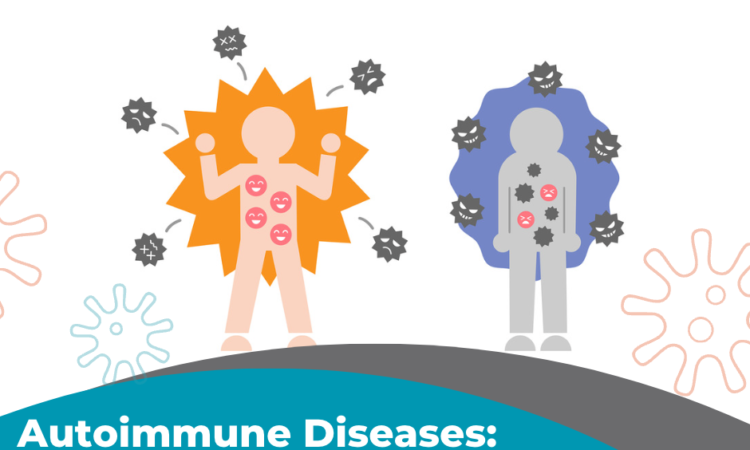
Immunology focuses on our body’s incredible defence system that wards off infections and diseases. However, sometimes, this system can falter, leading to immune system disorders. These disorders can be broadly divided into immunodeficiencies and autoimmunity.
Immunodeficiencies: These occur when one or more components of the immune system are inactive or absent, leaving individuals more susceptible to infections. Primary immunodeficiencies are usually genetic, while secondary ones can be caused by factors like malnutrition or chemotherapy.
Autoimmunity: In autoimmune disorders, the immune system mistakenly attacks the body’s own cells, considering them foreign. Conditions like rheumatoid arthritis, lupus, and type 1 diabetes are examples of autoimmune disorders.
The Interplay Between Allergies and Immunity
There is an intricate connection between allergies and the immune system. Allergic reactions are essentially a misdirection of the immune system’s protective mechanisms. Research in the field of allergy and immunology seeks to understand why the immune system reacts excessively to certain substances and how to mitigate these responses.
Promising Advancements in Allergy and Immunology
Research and advancements in allergy and immunology have led to improved diagnosis and treatment methods. Allergy testing has become more precise and less invasive, enabling doctors to identify specific allergens more accurately. Immunotherapy, or allergy shots, has been revolutionary, offering a way to desensitise the immune system to allergens gradually.
Similarly, advancements in understanding the mechanisms of immune disorders have led to targeted therapies. Biologic drugs, for instance, can specifically block the immune response causing harm in autoimmune diseases.
A Glimpse into the Future
Future research and advancements in allergy and immunology are focused on improving our understanding of why the immune system malfunctions and how to correct it. Personalised medicine, gene therapy, and stem cell treatments hold great promise in the treatment of allergic and immune disorders.
In conclusion, understanding allergies and immune disorders is fundamental to improving the quality of life for millions worldwide. While we’ve made significant strides, there is still much to discover and understand in the ever-evolving world of allergy and immunology. The future looks bright as we continue to unravel the complexities of our immune system and learn how to manage it better.


