
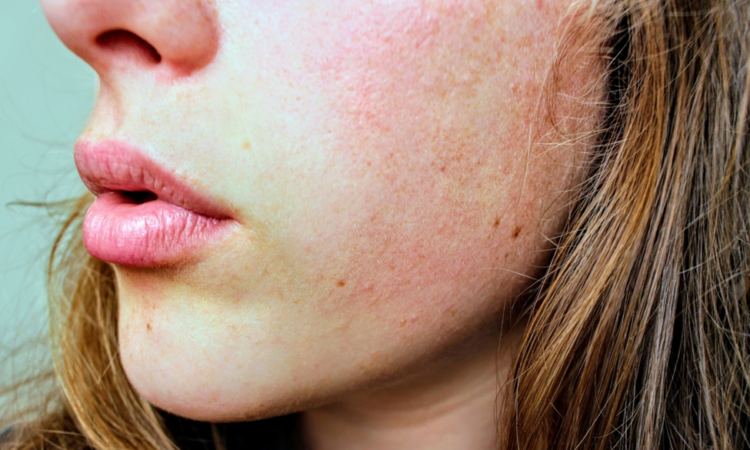
Dry skin, intense itching, and blisters—sounds like you have eczema! Eczema is a skin condition that makes your skin dry, itchy, and flaky. It causes intense itching that often results in inflammation, skin rashes, and blisters. It is also genetic and is common in people who have a family history of eczema. However, it can affect anyone, causing their skin to become itchy and extremely dry all of a sudden. Around 40 million in the US alone are affected by this.
The severity of eczema symptoms can range from mild to extreme. While treatment and medications are available, you can also use natural remedies to treat eczema symptoms. Let’s talk about it in detail.
1. Aloe Vera Gel
The holy grail of skin care products! Aloe Vera gel has anti-bacterial and anti-microbial properties, which help in treating several skin ailments, including eczema. According to a 2017 research study, Aloe Vera gel can boost the immune system and heal skin wounds. For centuries, people have been using the gel to soothe itchiness, dry and flaky skin, and inflammation caused by eczema.
It could be applied directly to the affected area. However, do a patch test on a small area first to check for a potential allergic reaction.
2. Detergents and Bath Soaps
Whether it’s Dove, Pears, Clean and Clear, or Persil, when it comes to laundry detergents and soaps, most of them contain harsh chemicals. These can mess with the skin’s acidity levels since detergents and soaps are alkaline. Try using gentle, fragrance-free cleansers.
Similarly, soaps have lathering agents that can lead to dry skin. Try lather-free soaps to avoid flaky skin. Skip fabric softeners as well since the fragrance might cause eczema flare-ups and irritate the skin.
3. Coconut Oil
Coconut oil, with its anti-inflammatory properties and fatty acids, can act as a great moisturizer for dry and itchy skin. Additionally, coconut oil can help in improving the health of the skin’s barrier and prevent inflammation. According to a 2014 research study, symptoms of eczema were curbed to a great extent after participants applied coconut oil for 8 weeks.
Apply cold-pressed coconut oil after you’ve bathed and before going to bed to moisturize your skin all night.
4. Apple Cider Vinegar
As suggested by the National Eczema Association (NEA), apple cider vinegar can help treat eczema symptoms. Its properties help maintain the skin’s acidity levels and prevent infection by fighting bacteria. Our skin is naturally acidic, but people with eczema have less acidic skin, which makes it prone to more infections and less defensive against bacteria.
Applying diluted apple cider vinegar can help in balancing the skin’s acidity levels. It should never be used undiluted because that could lead to burns and intense inflammation. You can either apply ACV after showering or simply use it as a toner on affected areas with the help of gauze.
5. Tea Tree Oil
People have been using tea tree oil extracted from Melaleuca alternifolia leaves for centuries to treat various skin diseases. Its anti-inflammatory properties help soothe itchy skin and prevent skin infections by promoting new skin cell growth, and its wound-healing properties treat skin abrasions and injuries.
Look for products that contain diluted tea tree oil. Additionally, you can also purchase tea tree oil from any health store or online. Before applying, dilute it with any carrier oil, such as almond or olive oil. Never use it undiluted since it can flare up eczema and cause rashes.
If your rashes get worse, immediately look for skin rash online treatment.

6. Anti-Inflammatory Foods
Some foods can trigger your eczema and further aggravate it, for instance, peanuts. Know your trigger foods and avoid them. Certain foods have anti-inflammatory properties as well. Making a few dietary changes can help relieve eczema symptoms such as:
· Leafy greens
· Fish
· Turmeric
· Beans and lentils
· Fruits
There are also inflammatory foods, for instance, milk, dairy products, soy, and wheat, that can cause eczema flares. Make sure to eliminate these and incorporate foods with anti-inflammatory properties.
7. Avoid Heat Exposure and Long Baths
Prolonged exposure to heat or having long warm baths can aggravate eczema by making the skin dry and scaly. Moisturize skin after every bath and make sure the water temperature is moderate, neither too cold nor too hot. Use SPF when going outdoors to avoid harmful UV rays.
Use a humidifier during the dry winter season, and avoid sitting too close to a fireplace.
All in all, eczema can be treated with natural, at-home remedies and can be controlled by making the right lifestyle and dietary choices. If you are still concerned about your skin condition and want professional guidance, you can get in touch with a telemedicine doctor for skin infections for a professional health consultation.
TelMDCare is an online platform for virtual doctors where you can get health guidance online, that too at affordable rates. Their team of experienced doctors treats a variety of acute and chronic diseases, including pink eye, sinus infection, and strep throat. Contact their team today!
About The Author
Dr.Dean Austen is a dermatologist who has researched the causes of eczema. Currently, he is living in Rhode Island with his wife and two cats.


