
Introduction:
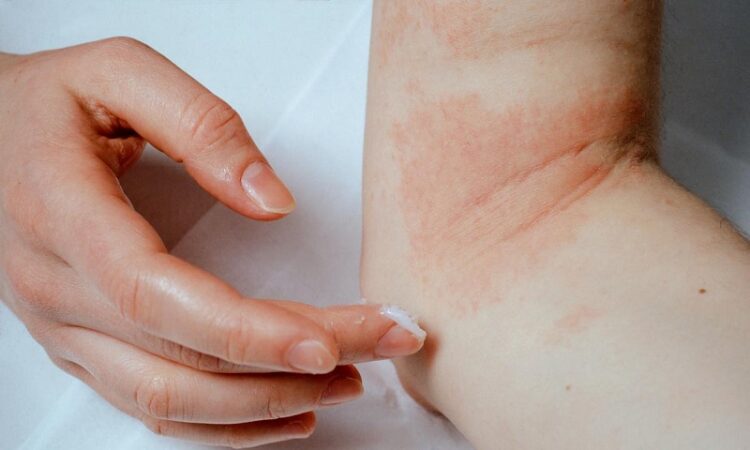
Eczema is a chronic skin condition that affects millions of people worldwide. It is a non-contagious, inflammatory skin disorder that causes itching, redness, dryness, and flaking of the skin. Although eczema is common among children, it can affect people of all ages. In this article, we will delve into the different types of eczema, what causes it, and the various treatment options available.
Types of Eczema:
There are several types of eczema, including:
- Atopic Dermatitis: This is the most common form of eczema and usually affects children. It is characterized by dry, itchy, and scaly skin.
- Contact Dermatitis: This type of eczema is caused by skin contact with an irritant or allergen. Symptoms can include redness, itching, and swelling.
- Nummular Dermatitis: This type of eczema appears as circular patches of irritated skin. It is often triggered by dry skin, stress, and cold weather.
- Seborrheic Dermatitis: This type of eczema causes greasy, yellowish scales or crusts on the scalp, face, and other parts of the body.
Causes of Eczema:
The exact cause of eczema 濕疹 is unknown, but it is believed to be a combination of genetic and environmental factors. Some of the common triggers of eczema include:
- Allergies: Exposure to allergens like dust mites, pet dander, and certain foods can trigger eczema flare-ups.
- Irritants: Skin contact with irritants like soaps, detergents, and household cleaners can trigger eczema symptoms.
- Stress: Emotional stress can lead to eczema flare-ups.
- Climate: Changes in weather, humidity, and temperature can trigger eczema symptoms.
Treatment Options for Eczema:
While there is no cure for eczema, there are various treatment options available to manage symptoms. Some of the most common treatment options include:
- Topical Creams: Over-the-counter or prescription creams can help soothe the skin and reduce itching and redness.
- Oral Medications: In severe cases, oral medications like corticosteroids may be prescribed.
- Light Therapy: Also known as phototherapy, this treatment involves exposing the skin to controlled amounts of ultraviolet light.
- Wet Wrap Therapy: This treatment involves wrapping the affected area with wet bandages to soothe the skin.
FAQs:
Q: Is eczema contagious?
A: No, eczema is not contagious. It is a non-infectious skin condition.
Q: Can eczema be cured?
A: There is no cure for eczema, but it can be managed with proper treatment.
Q: Can eczema be prevented?
A: While eczema cannot be prevented, avoiding triggers like irritants, allergens, and stress can help reduce flare-ups.
Conclusion:
Eczema is a common skin condition that affects millions of people worldwide. Although there is no cure, it can be managed with proper treatment and lifestyle changes. If you or someone you know is suffering from eczema, it is important to speak to a dermatologist for proper diagnosis and treatment.


