
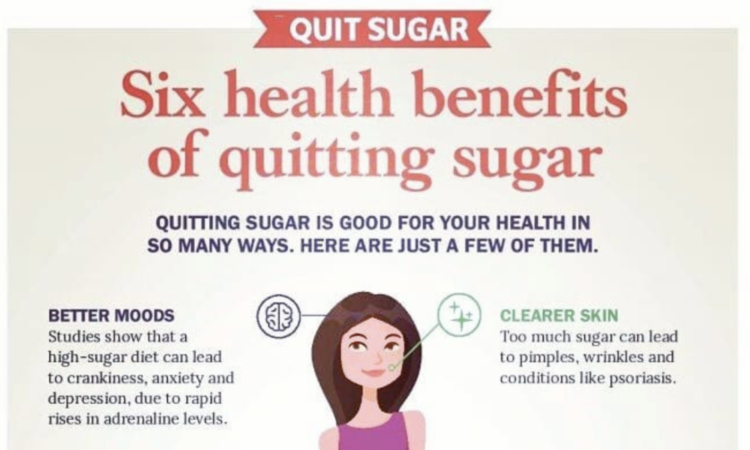
A sugar-free diet may help keep blood sugar levels in check and promote good health. This diet avoids all added sugar sources, including table sugar, honey, agave syrup, and other natural sweeteners. People following a no-sugar diet may still eat foods containing naturally occurring sugars, such as fruits and vegetables. However, they should limit their intake and consume these foods in moderation. Cutting added sugar can be difficult, but several tips and tricks may make it easier. This article discusses the health benefits of a sugar-free diet and provides tips on how to stick to one.
Why is it important to cut sugar?
Cutting sugar from your diet has many health benefits, including weight loss, improved blood glucose control, and reduced risk of heart disease and other chronic conditions.
Sugar is a major source of empty calories in the diet and can contribute to weight gain. Reducing sugary foods and drinks can help you achieve or maintain healthy body weight.
Evidence suggests that eating too much sugar can increase your risk of heart disease and other chronic conditions such as obesity and type 2 diabetes. Reducing your intake of sugar-filled foods can help to lower your risk.
Limiting sugar also leads to better blood glucose control. This is especially important for people with diabetes, as uncontrolled blood glucose levels can lead to serious complications such as kidney damage, amputations, and blindness.
Many other health benefits are associated with reducing sugar intakes, such as improved dental health, reduced inflammation, and increased energy levels.
Diseases caused due to high blood sugar levels.
When fasting blood sugar levels are high, it can lead to several serious health problems. These include:
– Heart disease
– Stroke
– Kidney disease
– Blindness
– Amputations
Making simple changes to your diet can help keep your blood sugar levels under control and reduce your risk of developing these serious health problems.
What is a sugar-free diet?
A sugar-free or no-sugar diet is an eating plan that eliminates or limits added sugars and foods with naturally-occurring sugars. A no-sugar diet aims to help manage blood sugar levels, weight, and overall health. If you’re considering starting a no-sugar diet, talk to your doctor or registered dietitian first to ensure it’s right for you.
Risks and considerations of a sugar-free diet
There are a few risks and considerations to keep in mind before starting a no-sugar diet. First, eliminating all sugars from the diet can be difficult and may require significant changes to the person’s eating habits. You’ll need to read food labels carefully to ensure you’re not accidentally consuming added sugars.
Second, a no-sugar diet may cause temporary side effects like headaches, fatigue, and irritability. These side effects are usually caused due to the suddenly reduced effect of dopamine in the brain, and they should subside within a few weeks. One of the key factors is sticking to the plan, trusting the process, and staying with the no-sugar diet.
Third, a sugar-free diet may not provide enough calories or nutrients if you’re not careful planning your meals. Make sure to include plenty of healthy fats, proteins, and complex carbohydrates in your diet to avoid feeling sluggish or run down.
Fourth, some people may experience blood sugar fluctuations on a sugar-free diet. If you have diabetes or prediabetes, monitor your blood sugar closely while making any dietary changes.
Overall, a no-sugar diet can be healthy and beneficial for many people. Just be sure to research beforehand and plan your meals carefully to avoid unwanted side effects. Eliminating sugar as part of the diabetes diet is practiced worldwide.
8 tips for following a sugar-free diet
1. Eliminate all sources of sugar from your diet, especially sugar in processed foods.
2. Read labels carefully and avoid anything that contains sugar or artificial sweeteners.
3. Get enough protein and healthy fats to help stabilize blood sugar levels. Good sources include nuts, seeds, avocados, fish, and olive oil.
4. Eat plenty of fiber-rich vegetables and fruits to help regulate digestion and keep you feeling full longer.
5. Drink lots of water throughout the day to stay hydrated and help flush out toxins.
6. Avoid eating late at night to give your body a chance to rest and repair overnight.
7. Exercise regularly to help balance blood sugar levels and improve insulin sensitivity.
8. Talk to your doctor before making any major changes to your diet, especially if you have diabetes or another medical condition
Following these tips helps one stick to a no-sugar diabetes diet.
Foods to eat and avoid on a sugar-free diet
Foods to Eat:
Whole grains: swap white flour products for whole wheat bread, brown rice, quinoa, oats, etc.
Vegetables and fruit: focus on getting plenty of vitamins, minerals, and fibre from fresh produce.
Protein: beans, legumes, lean meats, eggs, tofu, and nuts are all excellent protein sources.
Healthy fats: olive oil, avocado, fish oil, and other healthy fats can help you feel full and satisfied.
Foods to Avoid:
Processed foods: Most processed foods contain added sugar, so avoiding them is best when following a no-sugar diet. This includes bread, cereal, crackers, granola bars, cookies, cakes, pastries, etc.
Sweetened beverages: Drinks like soda, fruit juice, sports drinks, and energy drinks are loaded with sugar and should be avoided on a sugar-free diet. Instead, opt for water or unsweetened tea or coffee.
Dried fruit: Dried fruit may seem like a healthy snack since it’s made from fruit, but it often contains added sugars, making it a no-go on a no-sugar diet. Stick to fresh fruits instead, as they naturally contain less sugar.
Summary
A no-sugar diabetes diet can be a great way to improve your overall health. By cutting out sugar, you can help reduce your risk of developing obesity, type 2 diabetes, and other chronic health conditions. If you’re interested in trying a sugar-free diet, you should keep a few things in mind. First, make sure to read food labels carefully to avoid hidden sources of sugar. Second, focus on eating plenty of healthy foods like fruits, vegetables, and lean protein. And finally, stay hydrated by drinking plenty of water throughout the day. Following the tips in our blog, like consulting a doctor before making major dietary changes and exercising regularly, should not be taken lightly for leading a healthy life.


