Understanding the malware concept helps to understand how it is created and targeted. Many individuals make these malicious applications with a specific objective. The following paragraphs introduce the idea of malware and its potential uses. Learn more about malware’s development, target, and objectives.
Malware Defined
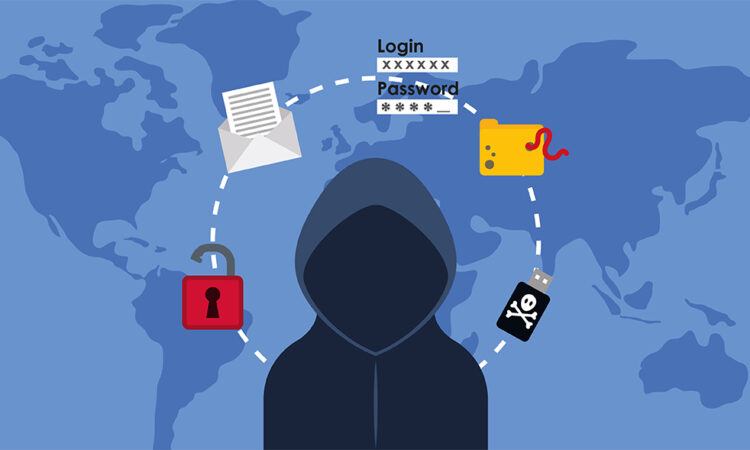
This article will discuss the definition of malware in computer terms. Malware is a catch-all word for viruses, trojans, and other disruptive computer programs that threat actors employ to infiltrate systems and networks to access sensitive information. Malware (short for “malicious software”) is a file or code that infects, investigates, steals, or performs nearly any activity an attacker desires. Because malware comes in such wide varieties, there are countless ways to infect computers.
To identify and prevent malware, a range of security methods are utilized. Firewalls, next-generation firewalls, network intrusion prevention systems (IPS), deep packet inspection (DPI), unified threat management systems, antivirus and anti-spam gateways, virtual private networks, content filtering, and data leak prevention systems are examples of these. To avoid malware, all security solutions should be evaluated against various malware-based assaults to verify they are functioning effectively. To assure testing against the most recent threats, a comprehensive, up-to-date library of malware signatures must be employed.
Created by a wide range of people
While malware can be a nuisance to users, it is a way for cybercriminals to make money. A diverse group of individuals typically creates malware to cause damage and obtain revenue. As computers and other digital devices have increased, malicious individuals have started developing malware to target the legitimate use of computers and mobile devices.
Trojans are the most common forms of malware, which can be downloaded via emails, websites, and instant messages. These malicious programs are usually loaded by social engineering techniques and don’t self-replicate. Ransomware is malware that encrypts a user’s files and locks the computer until a ransom is paid. It is a criminal business model in which malicious software is used to keep valuable files, data, or information hostage for ransom. Victims of ransomware attacks may have their activities seriously harmed or completely shut down. Finally, crypto-malware uses the computer’s power to mine cryptocurrency, a currency used by hackers. This type of malware can also make utility bills spike.
Targeted by a wide range of criminals
The social context of crime has an essential effect on how criminal gangs operate. The Internet and social media provide an unprecedented level of clandestine contact among criminals. Despite the similarities, the underlying reasons for illegal activity vary considerably. In addition to being a corrosive force in society, the Internet facilitates the development of new criminal organizations and the dissemination of information.
Financial institutions are particularly vulnerable to cyber events, often part of more significant criminal activity. Cybercriminals often use these events to access financial institutions or conduct unauthorized transactions. The money these criminals steal from these organizations is often directly connected to the personal details of their victims. Moreover, ransomware attacks, primarily conducted to extort money from their victims, are increasingly common.