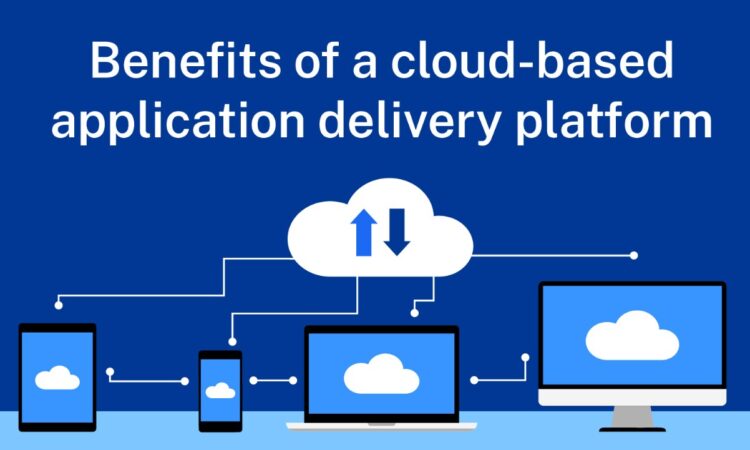
Instead of purchasing and maintaining servers in a second location, you can utilize a cloud-based application delivery platform to ensure a consistent service experience for your customers. So what is an application delivery platform? The cloud-based application delivery platform is a powerful technology that can help you scale globally without sacrificing quality. Besides offering cost-effective scalability, it also offers faster disaster recovery. The benefits are too numerous to count. Read on to learn how these applications can benefit your business.
Saves time
In an era of rapidly changing user demands, businesses need to ensure their web applications deliver high performance, security, and reliability. Cloud-based application delivery platforms offer these benefits while reducing upfront IT infrastructure costs.
A cloud-based application delivery platform can provide support and development for critical applications, increasing customer reach and reducing maintenance and support costs. In addition, application developers can focus on building business logic and creating an excellent user experience instead of worrying about how to maintain the infrastructure. While there may be some initial security concerns, data encryption and SSL can address these concerns. And as cloud-based application delivery platforms offer reliable cloud frameworks and content delivery networks, they can greatly accelerate the delivery of web content and data.
Offers faster disaster recovery
A cloud-based application delivery platform (ADP) can provide faster disaster recovery thanks to the way it manages backup and restore processes. This platform is an excellent choice for disaster recovery because it reduces the risk of downtime by moving processing to a more resilient location. As a result, businesses do not have to worry about maintaining their backup and restoring infrastructure, which can be costly. Cloud-based ADPs can also help companies avoid these costs by automating their data-center backup processes and reducing IT staffing.
A cloud-based DR platform can help you avoid costly infrastructure investments, reduce downtime, and comply with regulatory requirements. Cloud-based DR offers three primary components: analysis, implementation, and testing. Regardless of which platform you choose, you’ll still need a robust recovery plan and a method for automating processes. These three components are crucial to DR and should not be overlooked.
Lowers operating costs
A key benefit of using cloud computing is that it reduces the operational cost of running a data center. This process involves purchasing hardware, software, and servers, paying energy costs, and hiring IT professionals to monitor and maintain the environment. By utilizing cloud infrastructure, your business can cut these costs because you only need to pay for the services you need. In addition, this approach saves time and money by letting you scale your infrastructure as needed.
However, comparing cloud costs is difficult. The difference between providers is often so big that the same application can require different architectures. It is due to the various technologies used to build the application. It also requires different design principles, HA strategies, SLAs, and security. To compare costs, organizations must adapt the application’s architecture, which can be time-consuming.
Improves application performance
A high-performance gateway to the cloud solves this problem and speeds up application performance. Cloud-based application delivery provides a simplified infrastructure and is more capable of global scalability. Its multidimensional design helps developers understand the causes of application performance issues. By offloading SSL processing, developers can free up server resources for other tasks, including managing hardware and maintaining software. The platform also offers better monitoring procedures and security.
Organizations adopt multi-cloud or hybrid strategies, and optimizing their application delivery infrastructure is essential. Several key ADC functions are critical to ensuring application performance. Global server load balancing is one of them. It helps to optimize traffic and maintain availability across multiple data centers. It can also prevent outages and resiliency issues. A high-performance platform can make a difference in customer satisfaction.