When people think of Al Pacino, they often remember Michael Corleone in The Godfather, the determined police officer in Serpico, or the unforgettable Tony Montana in Scarface. However, before becoming one of Hollywood’s most respected actors, Pacino was a young man growing up in New York City with a passion for acting and a determination to succeed. His journey involved financial difficulties, years of theater training, and numerous challenges before he became an international star.
The story of Al Pacino young is fascinating because it reveals how his early experiences helped shape the performances audiences continue to admire. Born Alfredo James Pacino on April 25, 1940, he grew up in the Bronx, where his interest in movies and storytelling gradually developed into a serious ambition to become an actor.
Rather than achieving instant success, Pacino spent years learning his craft, performing on stage, and pursuing opportunities in the entertainment industry. His breakthrough eventually arrived in the early 1970s, when his performance in The Godfather introduced him to a much wider audience.
Understanding his early life offers a better appreciation of his talent, dedication, and remarkable transformation from an aspiring performer into a Hollywood legend.
Who Was Al Pacino When He Was Young?
Al Pacino was an aspiring actor long before audiences recognized his name. During his teenage years and early adulthood, he concentrated on developing his acting abilities while working different jobs to support himself.
Here are some important facts about his early life:
- Full name: Alfredo James Pacino
- Date of birth: April 25, 1940
- Birthplace: New York City, United States
- Childhood neighborhood: The Bronx
- Profession: Actor, director, and stage performer
- Acting interests: Theater, dramatic performances, and character development
- Major breakthrough: Michael Corleone in The Godfather (1972)
Pacino grew up primarily with his mother and grandparents after his parents separated when he was very young. His Italian-American family background and working-class upbringing formed an important part of his childhood.
As a teenager, he became increasingly interested in acting and attended the High School of Performing Arts. Although his educational journey was not straightforward, his desire to pursue a professional acting career continued to grow.
His early experiences demonstrate that success in the entertainment industry often requires patience and persistence. Pacino did not begin his career as a famous performer. Instead, he gradually built his reputation through training, auditions, and theatrical performances.
Al Pacino’s Childhood and Family Background
Al Pacino spent his childhood in the South Bronx, New York. His parents separated when he was young, and his mother and grandparents played significant roles in raising him.
Growing up in a working-class family meant that pursuing acting was not an easy or financially secure choice. Nevertheless, Pacino developed an interest in movies and performance at an early age.
He enjoyed watching films and became fascinated by the way actors could communicate emotions, tell stories, and bring fictional characters to life. This interest eventually encouraged him to pursue acting more seriously.
How His Childhood Influenced His Acting
Pacino’s childhood provided context for understanding his early interests, although his later acting abilities also developed through professional training and experience.
Many of his best-known characters face complicated circumstances involving family loyalty, ambition, personal identity, and difficult decisions.
Michael Corleone, for example, begins The Godfather as someone who appears determined to live independently of his family’s criminal activities. As the story develops, his decisions gradually transform his personality and relationships.
Pacino’s ability to portray these changes through subtle expressions and controlled dialogue became one of his greatest strengths.
An important insight: An actor’s background does not automatically determine their talent. However, early experiences, careful observation, and professional training can provide useful foundations for portraying believable characters.
Al Pacino’s Struggles Before Becoming Famous
Before achieving Hollywood success, Pacino experienced years of uncertainty. He left school as a teenager and worked various jobs while trying to establish himself as an actor.
These experiences helped him support himself financially, but acting remained his primary ambition. He continued pursuing opportunities even when professional success seemed distant.
Studying Acting With Lee Strasberg
One of the most important developments in Pacino’s early career came in 1966, when he joined the Actors Studio and studied under influential acting teacher Lee Strasberg.
The Actors Studio was associated with an approach to acting that emphasized psychological understanding, emotional authenticity, and detailed character development.
This training helped Pacino explore the motivations behind a character’s behavior rather than relying solely on dramatic gestures or exaggerated expressions.
His development also benefited from years of stage experience, which taught him how to sustain a performance, respond to fellow actors, and communicate complicated emotions to an audience.
His Early Theater Success
Pacino’s theater career provided important recognition before he became a major film star.
In 1968, his performance in the off-Broadway production The Indian Wants the Bronx earned him an Obie Award. The following year, he won a Tony Award for his performance in Does a Tiger Wear a Necktie?
These achievements demonstrated that he had developed considerable acting ability before receiving his most famous movie roles.
His experience illustrates an important lesson for aspiring performers: professional development often happens through smaller opportunities long before widespread recognition arrives.
Al Pacino’s First Movies as a Young Actor
Pacino gradually moved from theater into film, gaining experience through roles that allowed him to demonstrate his abilities on screen.
Me, Natalie (1969)
Me, Natalie marked Pacino’s film debut. Although his role was small, the experience introduced him to professional filmmaking.
Working in front of a camera requires different techniques from performing on stage. Actors must pay attention to camera positioning, subtle facial expressions, continuity, and the timing of individual scenes.
For Pacino, this early opportunity was part of the process of learning how to adapt his theatrical experience to cinema.
The Panic in Needle Park (1971)
One of the most significant films from Pacino’s early career was The Panic in Needle Park, in which he portrayed Bobby, a young heroin addict living in New York City.
The film explored addiction and difficult urban circumstances through a realistic dramatic style. Pacino delivered an emotionally demanding performance that attracted attention from critics and helped establish him as a promising film actor.
Bobby is very different from Michael Corleone. Rather than appearing calculating and authoritative, he is vulnerable and caught in destructive circumstances.
This contrast demonstrates Pacino’s ability to portray characters whose behavior emerges from complicated personal situations.
For viewers interested in understanding his early acting style, this film provides valuable insight into the qualities that later made his performances so distinctive.
Al Pacino Young in The Godfather (1972)
Al Pacino’s performance as Michael Corleone in The Godfather transformed his career. Released in 1972 and directed by Francis Ford Coppola, the film became one of the defining crime dramas in American cinema.
Michael initially appears different from the other members of his family. He is a military veteran who seems determined to build a future separate from the Corleone criminal organization.
However, circumstances gradually pull him into the family business. As the story progresses, his decisions change his relationships, responsibilities, and personality.
Why Michael Corleone Became an Iconic Character
Pacino’s performance is memorable because he portrays Michael’s transformation gradually rather than presenting him as a powerful gangster from the beginning.
Several elements make the performance especially effective:
- Controlled expressions: Small facial changes reveal shifts in Michael’s thinking.
- Quiet intensity: He communicates authority without constantly raising his voice.
- Measured dialogue: His deliberate speech creates an impression of careful calculation.
- Character development: His changing behavior makes the transformation believable.
Director Francis Ford Coppola strongly supported Pacino for the role, despite reservations from some studio executives. The casting decision became one of the most consequential choices in Pacino’s career.
His performance earned him an Academy Award nomination for Best Supporting Actor and helped establish him as an internationally recognized film star.
An especially interesting aspect of Michael’s character is that his growing power coincides with increasing emotional distance. As he gains control over his circumstances, he becomes less open with the people around him.
This contrast helps explain why the character remains so compelling.
Al Pacino in the 1970s: The Rise of a Hollywood Star
After The Godfather, Pacino became one of the most prominent actors of his generation. He continued selecting roles that challenged him rather than limiting himself to a single screen persona.
Serpico (1973)
In Serpico, Pacino portrayed Frank Serpico, a New York police officer who confronts corruption within the police department.
His appearance differed considerably from Michael Corleone’s formal style. With a beard, longer hair, and informal clothing, Pacino created a character who appeared independent and unconventional.
The role earned him an Academy Award nomination for Best Actor and demonstrated his ability to portray a character driven by personal principles rather than the pursuit of power.
The Godfather Part II (1974)
Pacino returned as Michael Corleone in The Godfather Part II. The sequel explored Michael’s growing influence and the personal consequences of his decisions.
His restrained performance added further complexity to a character increasingly isolated by his responsibilities.
The film also demonstrated how an actor could develop the same character across multiple films without simply repeating earlier performances.
Dog Day Afternoon (1975)
In Dog Day Afternoon, Pacino played Sonny, a bank robber involved in a tense hostage situation.
Unlike Michael Corleone, Sonny is emotionally unpredictable, vulnerable, and sometimes humorous. His behavior changes as the situation becomes increasingly complicated.
The performance revealed another dimension of Pacino’s abilities and strengthened his reputation for portraying emotionally layered characters.
…And Justice for All (1979)
In this legal drama, Pacino played a lawyer confronting serious problems within the justice system.
The film continued his interest in characters struggling against institutions and difficult moral circumstances. By the end of the 1970s, Pacino had established himself as a performer capable of handling a wide range of demanding dramatic roles.
What Made Young Al Pacino’s Acting Style Unique?
Pacino’s early performances are often described as intense, but intensity alone does not explain his success. His work combines psychological depth, careful observation, and the ability to express emotion without making every moment overly dramatic.
He Made Silence Meaningful
In The Godfather, Michael often communicates more through his expressions than through his words.
Pacino uses pauses, eye contact, and subtle changes in facial expression to suggest that Michael is considering his options before making a decision.
This approach is particularly effective in close-up scenes, where small movements can communicate substantial emotional changes.
He Changed His Appearance for Different Roles
Young Pacino did not maintain one consistent screen persona.
Michael Corleone appears composed and formal, while Frank Serpico looks informal and disheveled. Sonny in Dog Day Afternoon is more openly emotional and physically restless.
These differences help audiences understand each character as an individual rather than seeing the same personality repeated in different films.
He Combined Theater Training With Screen Subtlety
Pacino’s theater background helped him develop discipline, emotional awareness, and the ability to sustain a character through demanding scenes.
Film acting, however, often requires more restrained movements because the camera captures subtle details that might be less visible to a theater audience.
His ability to work effectively in both mediums became an important part of his professional identity.
A useful lesson for aspiring actors: Convincing screen acting is not always about expressing more emotion. Sometimes, the strongest performance comes from knowing exactly when to reveal a feeling and when to keep it hidden.
Al Pacino Young vs. Al Pacino Today
The difference between young Al Pacino and the actor audiences recognize today involves more than physical appearance. His career, screen presence, and choice of roles have evolved over several decades.
| Aspect | Young Al Pacino | Later-Career Al Pacino |
|---|---|---|
| Career focus | Theater and breakthrough films | Film, television, and theater |
| Famous roles | Michael Corleone and Frank Serpico | Jimmy Hoffa and other varied characters |
| Acting style | Often restrained and tense | Frequently expansive and expressive |
| Career position | Establishing his reputation | Working with an established legacy |
Pacino continued to explore different types of characters throughout his later career. His performance in Scent of a Woman (1992) earned him the Academy Award for Best Actor, while The Irishman (2019) introduced him to another generation of film viewers.
His career demonstrates that a successful actor does not need to remain confined to the roles that first brought fame.
Why Are People Still Interested in Young Al Pacino?
Interest in young Al Pacino remains strong because his early career coincided with several influential films that helped shape modern American cinema.
There are several reasons audiences continue exploring this period:
- Classic cinema: Viewers revisit films that helped define crime dramas in the 1970s.
- Distinctive appearance: His expressive eyes, dark hair, and changing hairstyles contributed to his recognizable screen presence.
- Character transformations: Michael Corleone’s development provides an example of how subtle acting choices can communicate major personal changes.
- Celebrity beginnings: Fans are often interested in how famous performers developed their careers before becoming internationally recognized.
A particularly useful way to explore his early work is to watch The Panic in Needle Park, The Godfather, and Serpico in chronological order.
These films reveal different aspects of his talent and show how his performances developed over a relatively short period.
Rather than focusing exclusively on his youthful appearance, consider how his acting choices, character selection, and professional experience contributed to his success.
Frequently Asked Questions About Young Al Pacino
1. How old was Al Pacino in The Godfather?
Al Pacino was 31 when filming for The Godfather began and turned 32 in April 1972. The film was released in March 1972. His performance as Michael Corleone became his breakthrough role and earned him an Academy Award nomination.
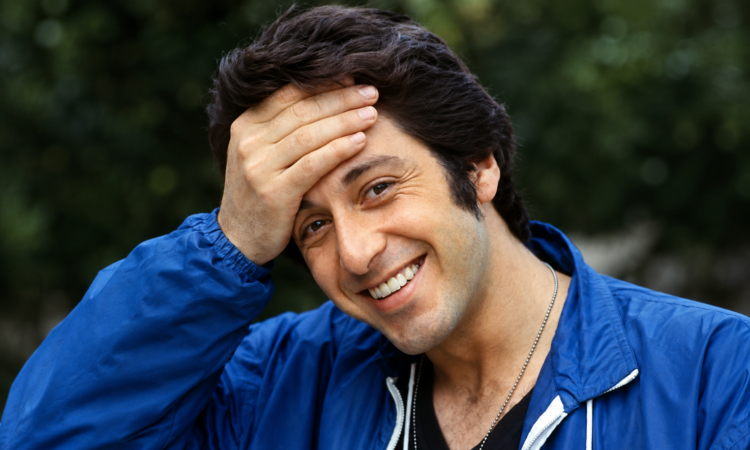
2. What did Al Pacino look like when he was young?
Young Al Pacino was known for his dark hair, expressive eyes, and distinctive facial features. His appearance changed depending on the role, from Michael Corleone’s formal look to Frank Serpico’s bearded, informal style. These differences helped distinguish his early film characters.
3. What was Al Pacino’s first movie?
Pacino’s film debut was Me, Natalie in 1969, where he appeared in a small role. His leading performance in The Panic in Needle Park in 1971 helped establish his reputation as a promising screen actor. His international breakthrough followed with The Godfather in 1972.
4. Why was Al Pacino chosen for The Godfather?
Director Francis Ford Coppola strongly supported Pacino for the role of Michael Corleone, despite reservations from some studio executives. Coppola believed Pacino could portray Michael’s gradual transformation from a reluctant outsider into a powerful crime family leader. The performance became a defining moment in both men’s careers.
5. What are the best Al Pacino movies from his younger years?
Important films from his early career include The Panic in Needle Park (1971), The Godfather (1972), Serpico (1973), The Godfather Part II (1974), and Dog Day Afternoon (1975). These movies demonstrate his range and his ability to portray complicated characters facing difficult decisions.
6. Did Al Pacino become famous immediately?
No. Pacino spent years developing his acting skills and performing in theater before achieving widespread film success. His early stage work earned important recognition, including an Obie Award and a Tony Award. The Godfather subsequently transformed his growing reputation into international fame.
Conclusion
Al Pacino’s early life and career reveal the determination behind one of Hollywood’s most enduring acting careers. From his working-class childhood in the Bronx to his theater training and breakthrough as Michael Corleone, he built his reputation through years of effort rather than overnight success.
His early films, including The Panic in Needle Park, The Godfather, Serpico, and Dog Day Afternoon, demonstrate his ability to portray complex characters with emotional depth and distinctive personalities.
For readers discovering his work today, watching these films in chronological order is an excellent way to understand his development as an actor. His story offers a lasting reminder that talent becomes more powerful when combined with discipline, persistence, and a willingness to keep learning.