
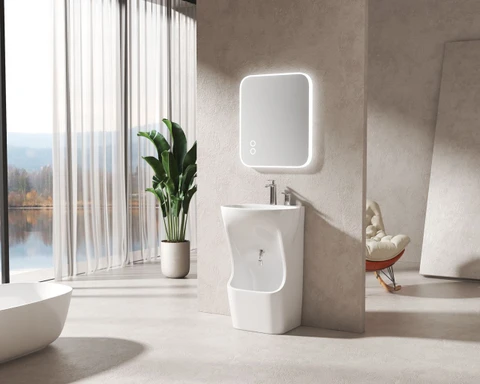
Maintaining a clean and accessible ablution area is essential for mosques, Islamic centers, schools, and even private homes. Since wudu is performed several times a day, the design of the washing facility has a direct impact on user comfort, cleanliness, and safety. Traditional sinks can serve the purpose, but they are not specifically built for the unique requirements of ablution.
A modern Wudu basin is designed to make the washing process more hygienic and accessible for people of all ages. Its specialized structure helps reduce water splashing, improves ease of use, and creates a safer environment for daily worship. As a result, more religious institutions and homeowners are choosing dedicated ablution basins over conventional wash stations.
Better Hygiene Through Purpose-Built Design
One of the biggest advantages of a wudu basin is its ability to maintain a cleaner washing area. Unlike standard sinks, it is designed specifically for ablution, making it easier to wash the feet without creating unnecessary mess.
Features that contribute to improved hygiene include:
- Controlled water flow
- Efficient drainage systems
- Reduced water splashing
- Easy-to-clean surfaces
- Moisture-resistant materials
These elements help keep both the basin and the surrounding floor cleaner throughout the day.
Reducing the Risk of Slips
Wet floors are one of the most common safety concerns in ablution areas. Water that splashes onto walkways can create slippery surfaces, increasing the likelihood of accidents.
A well-designed wudu basin directs water efficiently toward the drain, minimizing puddles and helping maintain a safer environment for worshippers.
When paired with non-slip flooring, the overall safety of the washing area improves significantly.
Improved Accessibility for Everyone
Accessibility is an important consideration when designing any public facility. A dedicated wudu basin provides a more comfortable experience for users with different physical abilities.
Its ergonomic design benefits:
- Elderly individuals
- Children
- People with limited mobility
- Individuals recovering from injuries
By reducing the need for excessive bending or awkward movements, the basin makes ablution easier for a wider range of users.
Greater Comfort During Ablution
Traditional wash basins often require users to lift one foot into the sink or balance in uncomfortable positions. This can be inconvenient, especially during busy prayer times.
A purpose-built basin allows users to perform each step of wudu naturally and comfortably, making the entire process more efficient.
Comfortable facilities also encourage better organization in high-traffic ablution areas.
Easier Cleaning and Maintenance
Because wudu basins are designed for frequent use, they are generally easier to maintain than conventional sinks used for ablution.
Most modern basins feature smooth, non-porous surfaces that resist stains, moisture, and dirt. Regular cleaning helps preserve hygiene while reducing maintenance time.
Routine maintenance typically includes:
- Wiping the surface with mild cleaning products.
- Checking the drainage system for blockages.
- Inspecting plumbing connections.
- Removing mineral deposits when necessary.
Proper care extends the lifespan of the installation and ensures consistent performance.
Supporting Water Efficiency
Water conservation is becoming increasingly important in both residential and public buildings.
Many modern wudu basins are designed to work with water-saving faucets that reduce unnecessary water usage without affecting the quality of the ablution process. This helps lower operating costs while supporting sustainable building practices.
Ideal for Mosques and Homes
Although commonly installed in mosques, wudu basins are also becoming popular in private homes where dedicated prayer spaces are available.
In mosques, they improve traffic flow, reduce maintenance requirements, and provide a cleaner environment for large numbers of worshippers.
At home, they offer a convenient and comfortable solution for daily ablution while keeping standard bathroom fixtures cleaner.
Choosing the Right Wudu Basin
When selecting a basin, consider several important factors:
- Available installation space
- Material durability
- Ease of maintenance
- User accessibility
- Water efficiency
- Overall design compatibility
Choosing a high-quality basin ensures long-term reliability and a better experience for all users.
Conclusion
A dedicated wudu basin offers significant advantages over traditional wash basins by improving both hygiene and accessibility. Its ergonomic design, efficient drainage, and user-friendly features help create a cleaner, safer, and more comfortable ablution area. Whether installed in a mosque, educational institution, or private residence, a well-designed wudu basin supports daily worship while enhancing the overall functionality of the space.


