
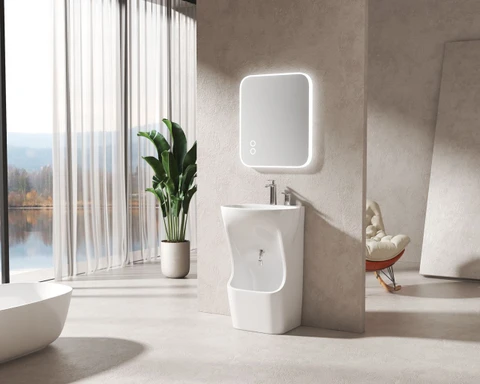
In modern infrastructure development, water conservation has become a major priority for architects, planners, and facility managers. Public spaces such as mosques, airports, schools, and commercial buildings require ablution facilities that balance hygiene, comfort, and sustainability. A Wudu Wash Basin plays an important role in achieving efficient water usage while maintaining user convenience.
For exporters and manufacturers, water-efficient solutions are also increasingly important in global markets. International buyers now prefer products that reduce operational costs and support environmental goals. A well-designed Wudu Wash Basin reflects how modern engineering can improve sustainability while meeting functional requirements in high-traffic environments.
The Importance of Water Efficiency in Ablution Areas
Ablution is a routine practice performed multiple times a day, often by large groups of people. Without proper design, this can lead to significant water consumption.
Efficient systems help:
- Reduce unnecessary water waste
- Lower utility costs for facilities
- Support environmental sustainability goals
- Ensure consistent water availability
- Improve operational efficiency
For large-scale facilities, even small improvements in water efficiency can lead to substantial long-term savings.
Controlled Water Flow Systems
One of the most effective ways Wudu Wash Basin designs support water efficiency is through controlled water flow technology. Unlike traditional setups, modern systems regulate the amount of water used per wash cycle.
Key features include:
- Flow-regulating taps
- Timed water release systems
- Pressure-controlled outlets
- Sensor-based activation in advanced setups
These features ensure that users receive sufficient water without excessive consumption.
Smart Basin Design for Reduced Waste
The physical design of the basin also plays a major role in water conservation. Proper shaping and structure help guide water flow efficiently into drainage systems.
Modern designs focus on:
- Optimized basin depth and slope
- Splash-reduction geometry
- Directional water channels
- Efficient drainage alignment
These elements reduce water loss caused by splashing or overflow.
Efficient Drainage Systems
A well-designed drainage system ensures that water is quickly and effectively removed from the basin area, preventing wastage and improving hygiene.
Efficient drainage systems include:
- Fast water discharge outlets
- Anti-clogging drain structures
- Multiple drainage points for large installations
- Smooth internal pipe design
This ensures that water is used only where necessary and not wasted due to stagnation or overflow.
Reducing Overuse Through User-Friendly Design
User behavior also impacts water consumption. Poorly designed facilities may encourage excessive use, while ergonomic systems promote controlled usage.
User-friendly designs help by:
- Positioning taps for easy control
- Providing clear washing zones
- Preventing unnecessary water spillage
- Encouraging efficient washing posture
These subtle design improvements significantly reduce overall water consumption.
Sustainable Materials and Long-Term Efficiency
Material choice indirectly supports water efficiency by ensuring long-term system performance. Durable materials reduce leaks, cracks, and maintenance issues that could lead to water loss.
High-quality materials offer:
- Leak-resistant surfaces
- Long-lasting structural integrity
- Minimal maintenance requirements
- Resistance to wear from continuous water exposure
This contributes to consistent and efficient water usage over time.
Role in Large-Scale Public Infrastructure
In high-traffic environments like mosques, airports, and universities, water efficiency becomes even more critical due to continuous usage throughout the day.
Efficient systems help:
- Manage peak-time water demand
- Maintain consistent supply levels
- Reduce operational strain on plumbing systems
- Support sustainable facility management
This makes modern ablution designs essential for large public infrastructure projects.
Export Opportunities in Water-Efficient Sanitary Solutions
For exporters, water-efficient products are increasingly attractive in international procurement markets. Governments and private developers often prioritize sustainability in construction projects.
Successful export strategies include:
- Highlighting water-saving performance data
- Promoting environmental compliance benefits
- Targeting green building and sustainability projects
- Showcasing case studies of reduced water usage
- Emphasizing cost savings over product lifespan
These approaches help businesses position themselves as providers of sustainable infrastructure solutions.
Marketing Water Efficiency as a Key Advantage
In competitive global markets, water efficiency is a strong marketing message. Buyers are not only interested in functionality but also in long-term resource savings.
Content marketing can help communicate:
- Environmental benefits
- Operational cost reductions
- Compliance with sustainability standards
- Long-term infrastructure value
This strengthens brand positioning and improves trust among international clients.
Conclusion
Efficient water usage is a critical aspect of modern ablution facility design. A well-engineered Wudu Wash Basin helps reduce waste through controlled flow systems, smart design, and durable construction.
For manufacturers and exporters, focusing on water efficiency creates strong advantages in global markets. As demand for sustainable infrastructure continues to grow, water-saving solutions will remain a key factor in shaping the future of modern ablution systems worldwide.


